Photo Credit: "© [fahrwasser] / Adobe Stock
If you’re consistently feeling low on energy or struggling with focus, iron could be the missing piece. It’s one of the body’s most important minerals, playing a key role in helping you feel energised and balanced. However, thousands of seemingly healthy adults in the UK have low iron, with 6% developing anaemia.
The good news is that supporting your iron levels doesn’t have to be complicated. With the right combination of iron-rich foods and simple dietary habits, you can naturally maintain healthy levels. In this guide, we’ll explore the best iron-rich foods, how to improve absorption, and easy ways to build iron into your everyday meals.
Why Iron Matters For Energy, Focus and Overall Wellbeing
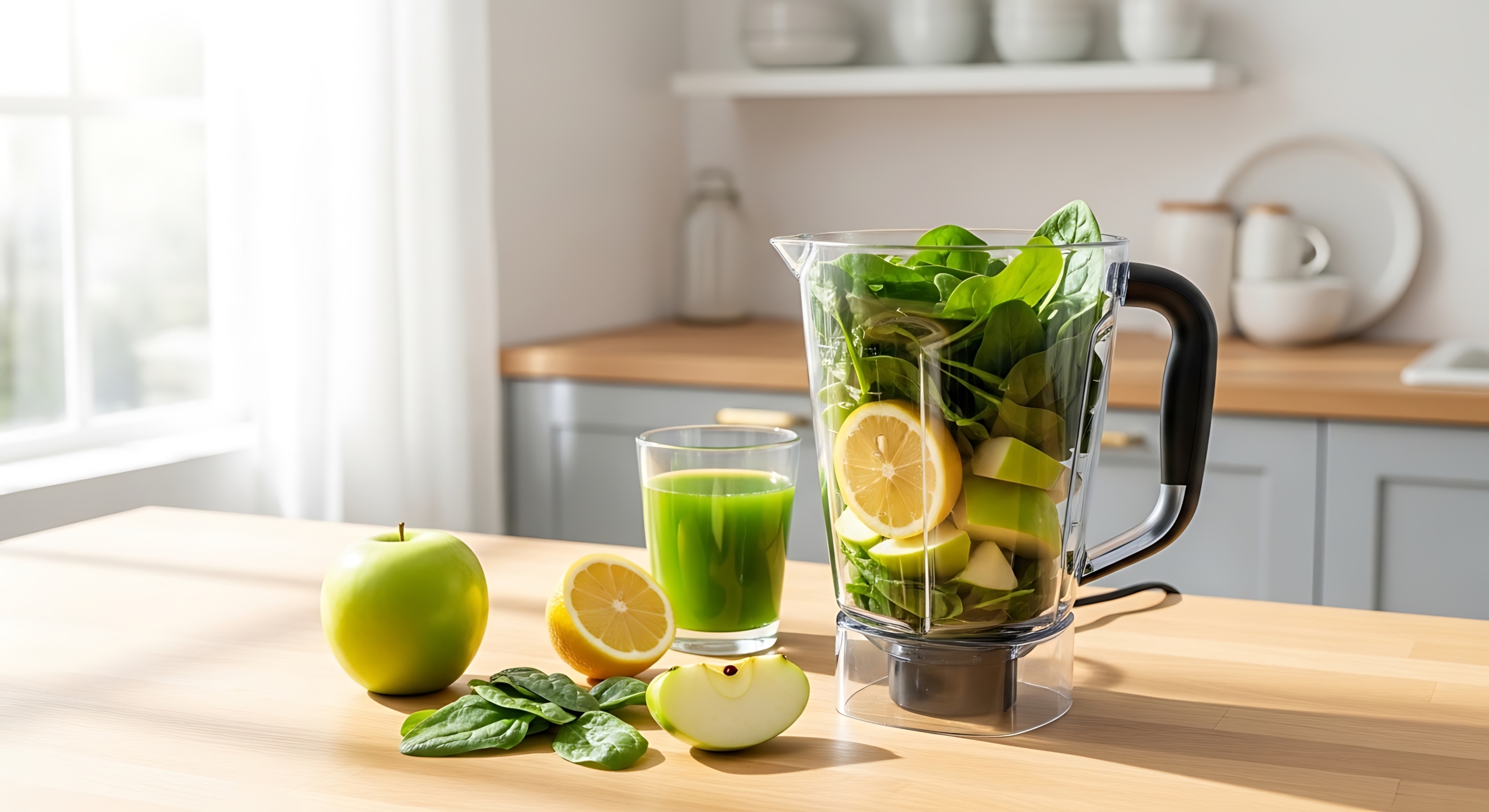
Photo Credit: "© [darmo] / Adobe Stock
Your body doesn’t create iron by itself, so you need to get enough from food and supplementation. Iron is crucial for producing haemoglobin, the protein in red blood cells that carries oxygen around your body.
When your iron levels are good, oxygen flows efficiently, helping you feel more energised and focused. But when iron intake is too low, it impacts how your body functions day to day, often leaving you feeling tired and run down.
Iron also contributes to:
- A healthy metabolism.
- Cognitive function and concentration.
- Immune system support.
- Healthy skin, hair, and nails.
Read more: What Is Metabolic Health?
Plant sources of iron
From everyday staples to nutrient-dense snacks, there are plenty of simple plant-based options to include in your diet. Here are some of the best iron-rich foods to add to your routine.
Leafy Greens: Plant-Based Iron with Added Nutritional Benefits
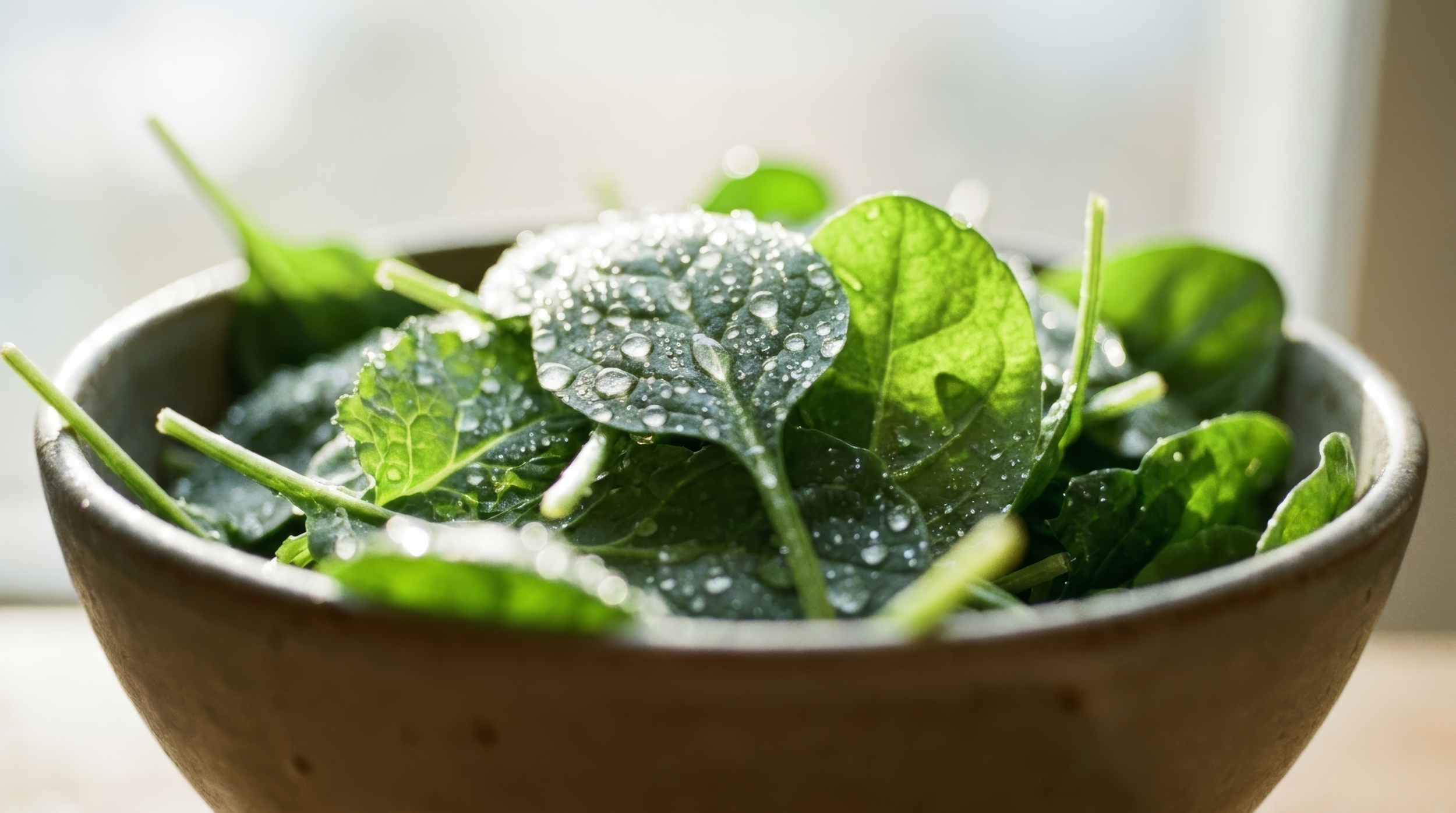
Photo Credit: "© [homan] / Adobe Stock
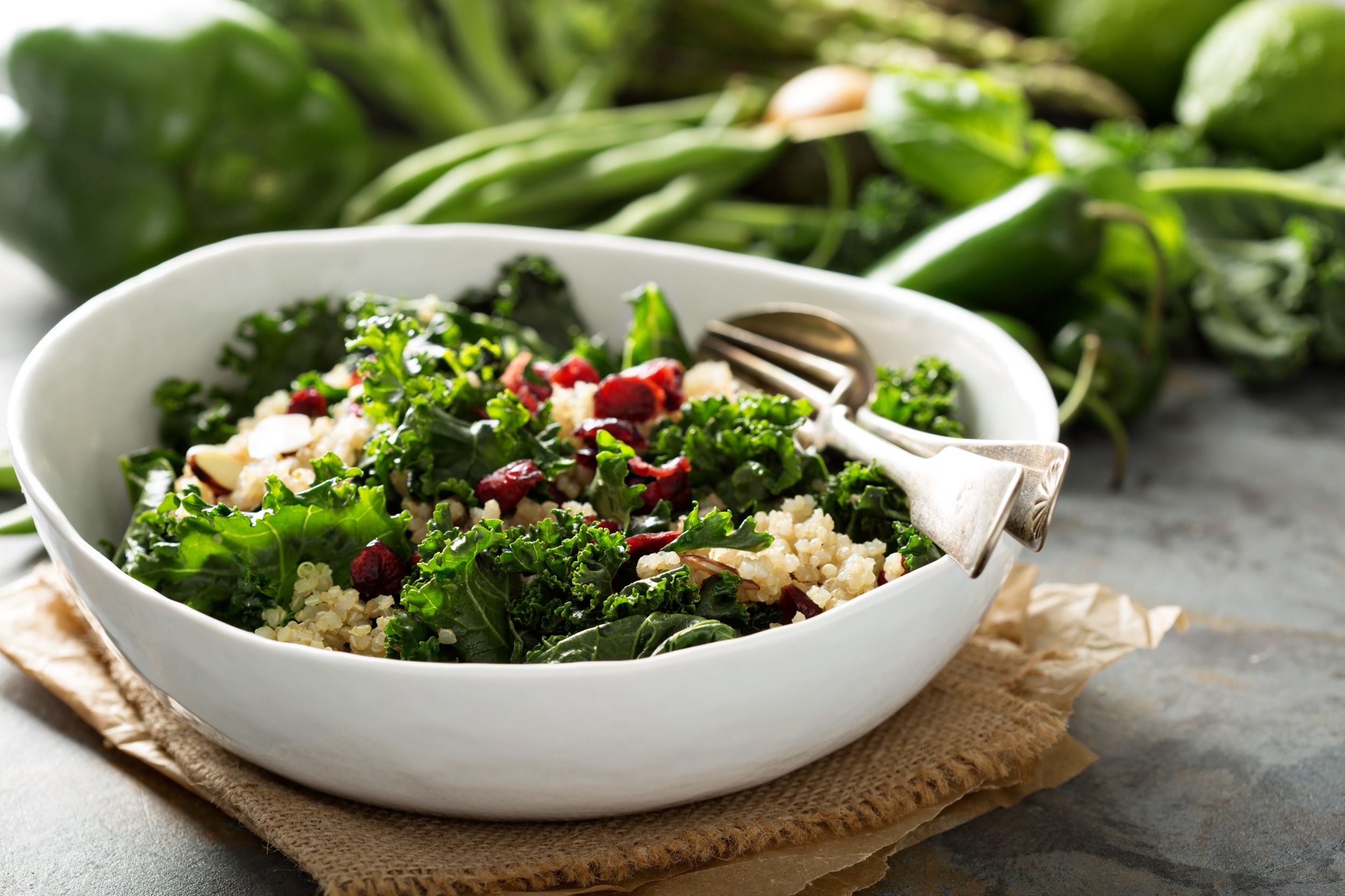
Leafy greens are a great natural source of iron, especially if you follow a plant-based diet. They also provide fibre, antioxidants, and vitamins. For better absorption, pair greens with foods rich in vitamin C, such as citrus fruits or peppers. Or take a vitamin C supplement with your meal. Leafy greens include:
- Spinach
- Kale
- Swiss chard
Lentils, Beans and Chickpeas: Fibre-Rich Foods That Support Iron Intake
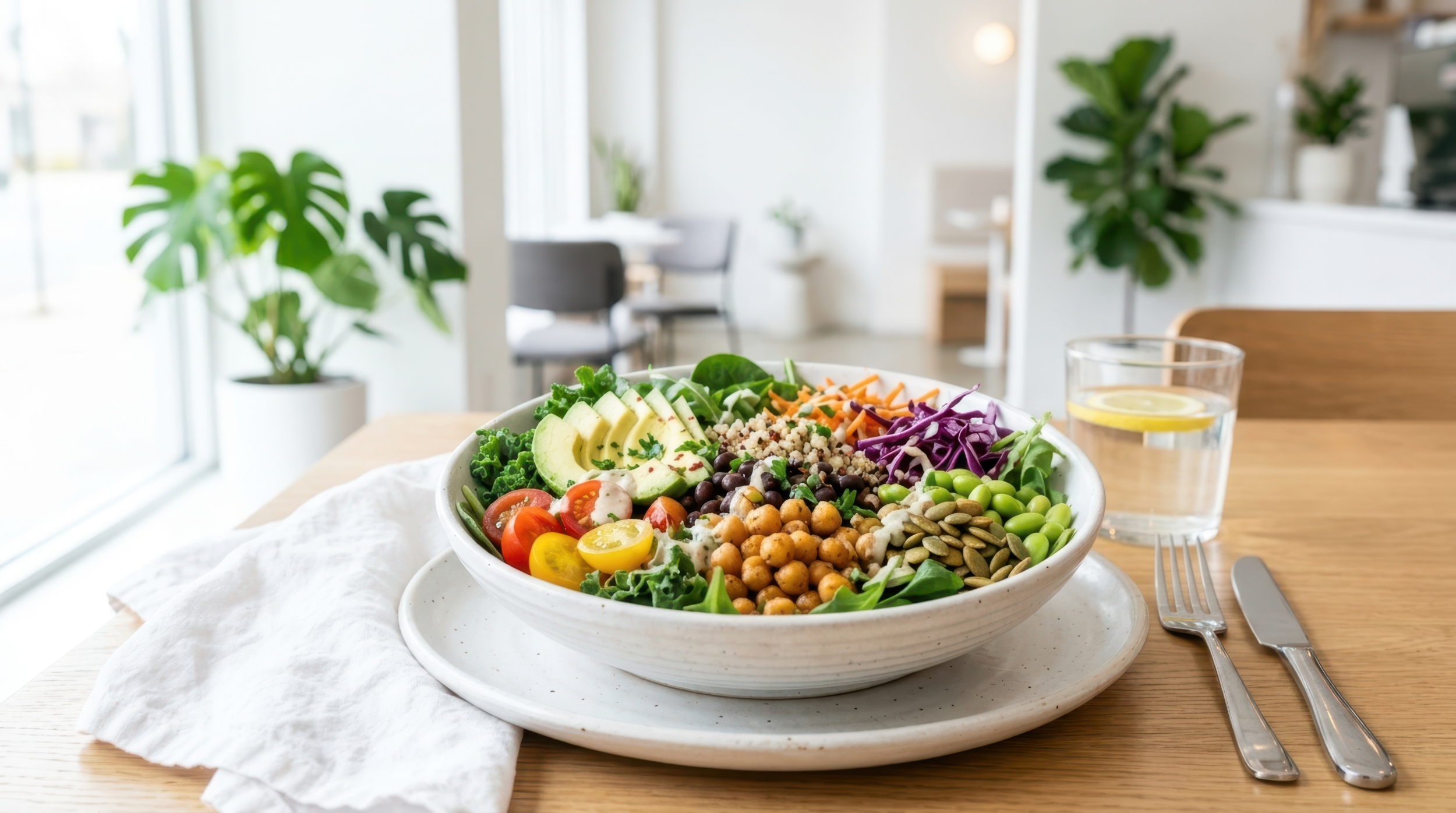
Photo Credit: "© [SimpleLife Stock] / Adobe Stock
Legumes are one of the best plant-based sources of iron and bring added benefits for digestion and fullness. They’re versatile, affordable, and easy to include in soups, salads, and main meals. You can make a plant-based iron-rich recipe, like:
- Lentils
- Chickpeas
- Kidney beans
- Black beans
Recipe idea: Lentil & Walnut Burgers
Read more: 10 Top Benefits of Organic Red Lentils
Nuts and Seeds: Small Additions That Make a Big Difference

Photo Credit: "© [Abdul] / Adobe Stock
Nuts and seeds are a simple and effective way to increase your daily iron intake, especially if you’re looking for convenient, plant-based options. Varieties such as pumpkin seeds, walnuts, and almonds are also superfoods because, along with iron, they also have all nine essential amino acids.
Whole Grains: Everyday Staple That Contribute to Iron Intake
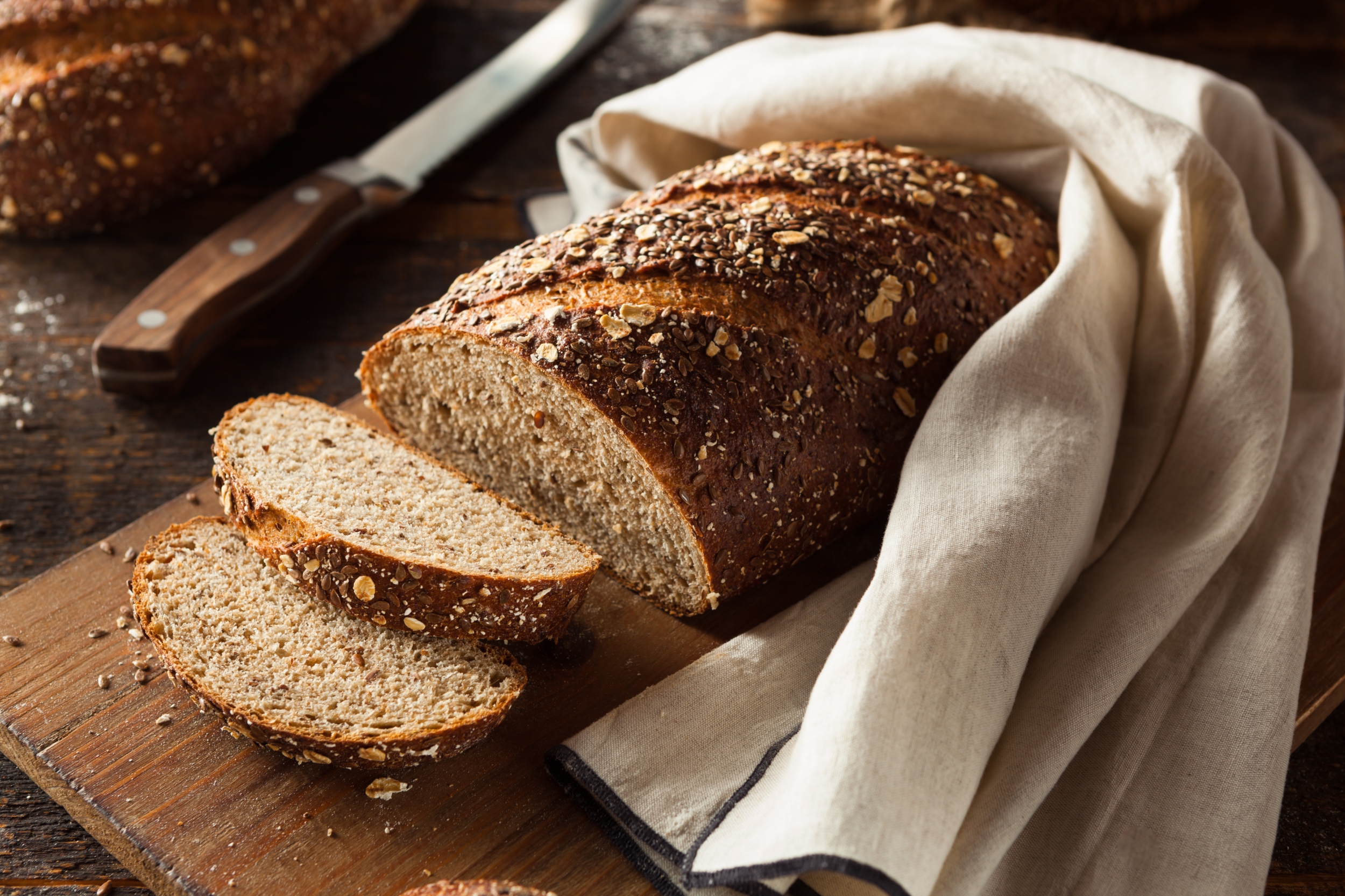
Photo Credit: "© [Brent Hofacker] / Adobe Stock
Whole grains are grains that contain all three parts of the kernel, the bran, germ, and endosperm, so they retain more of their natural nutrients. Because they’re less processed than refined grains, they provide more fibre, vitamins, and minerals, including iron. Choosing whole grains over refined options helps you get more nutritional value from your meals.
Iron-Fortified Foods: Convenient Options to Support Daily Intake
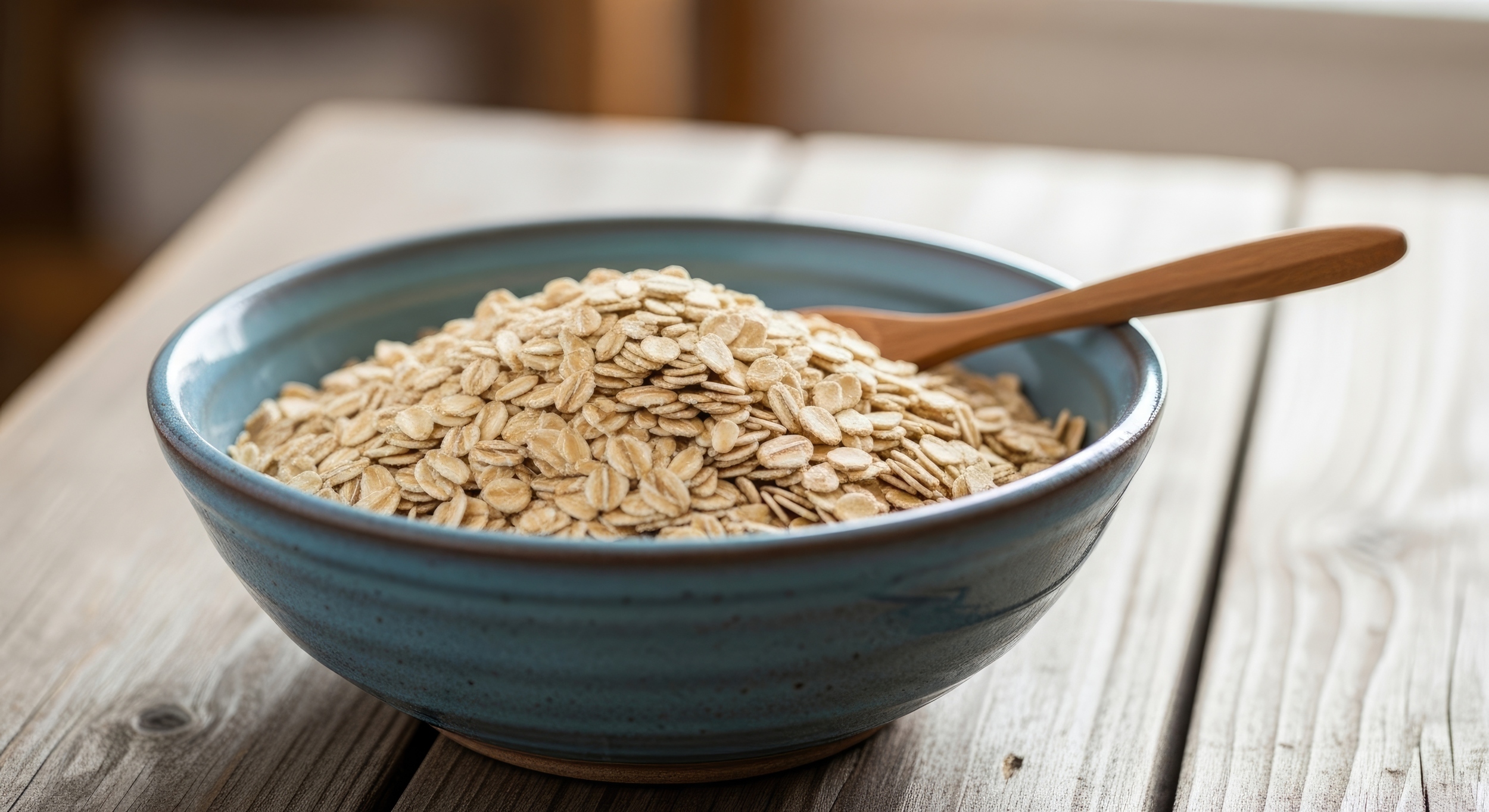
Photo Credit: "© [An] / Adobe Stock
Fortified foods are foods that have nutrients added to them that aren’t naturally present in significant amounts, or to replace nutrients lost during processing. They can help you meet your iron needs more easily, particularly if you follow a plant-based diet.
- Breakfast cereals
- Plant-based milks
- Bread
Dried Fruits: Naturally Sweet Snacks That Provide Iron
Dried fruits offer a simple and tasty way to boost your iron intake, making them an easy addition to your daily routine. They’re also incredibly versatile.
You can eat them as a convenient snack, mix them into porridge or yoghurt, or add them to baking and savoury dishes for a subtle sweetness. Pairing dried fruits with vitamin C-rich foods, such as fresh berries or citrus, can help support better iron absorption, making them even more effective.
Recipe idea: Apricot & Brazil Nut Energy Balls
Read more: 10 things you should know about apricots
Superfood powders & supplements: Small Additions To Increase Iron
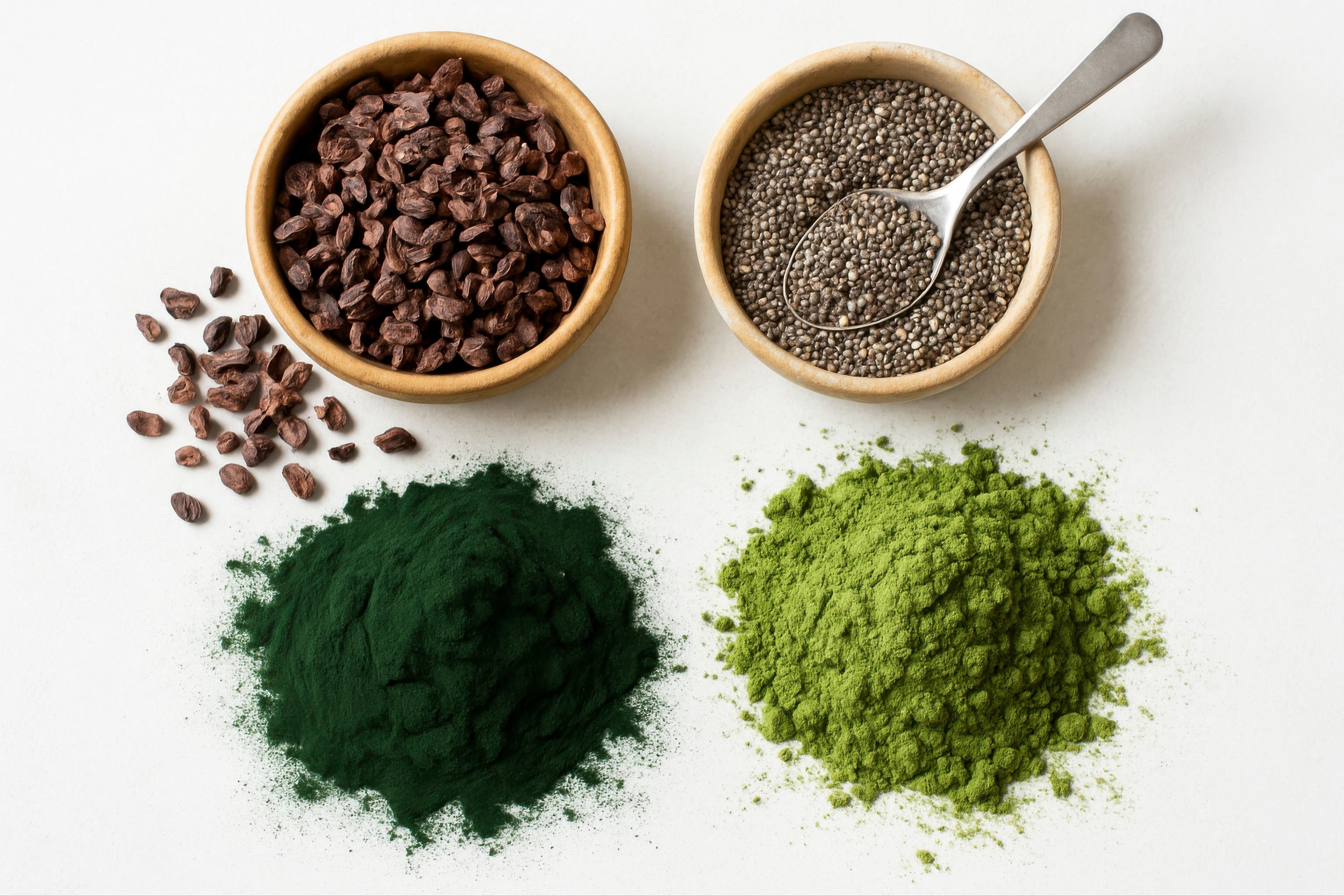
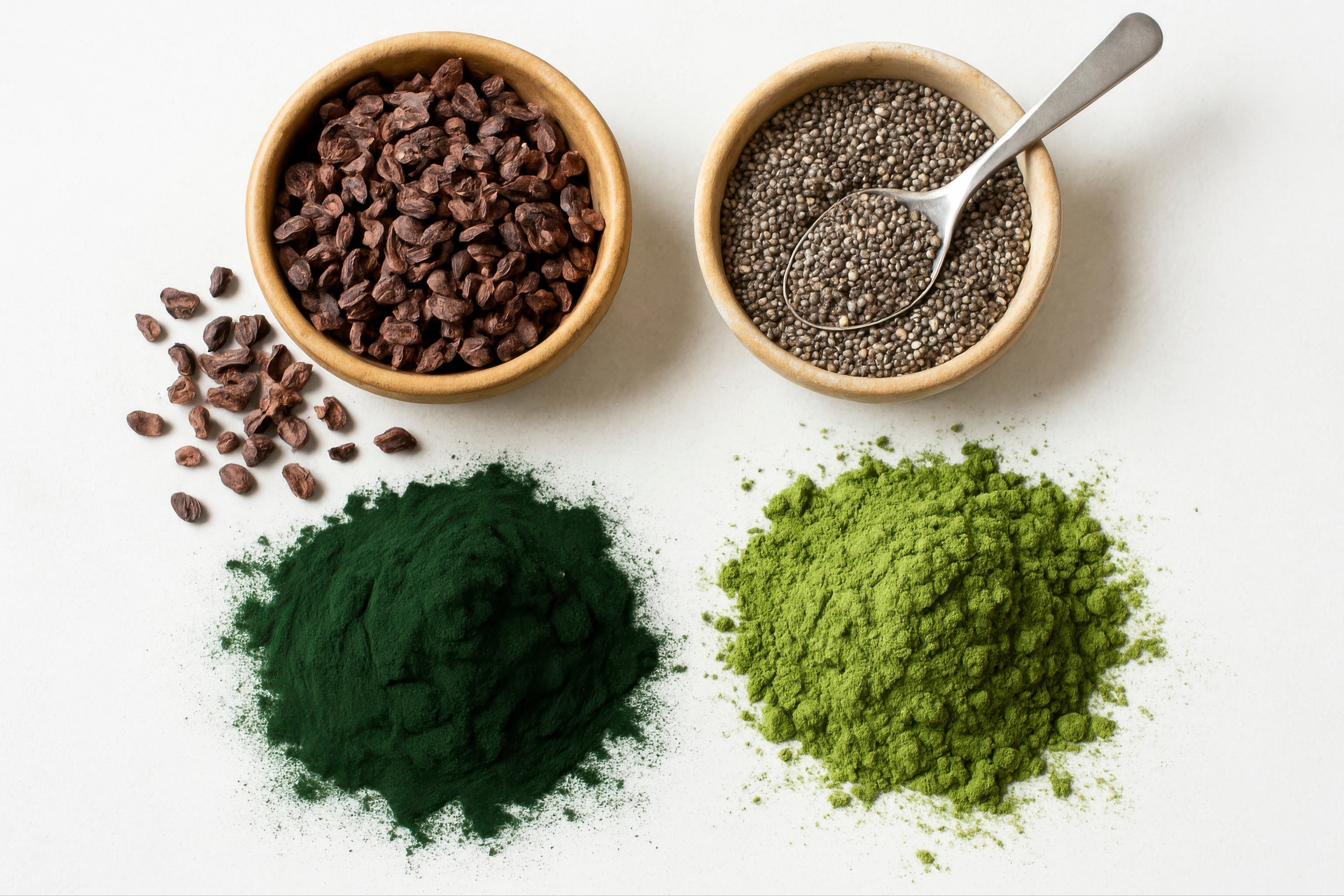
Photo Credit: "© [Saleem] / Adobe Stock
Superfoods in the form of a powder and supplements can be a convenient way to support your iron intake. They’re easy to incorporate into your routine by stirring into smoothies, juices, yoghurt, or porridge for an iron boost.
Iron Supplements: When Your Diet Needs Extra Support
Iron supplements can be a helpful option if you’re struggling to meet your needs through diet alone or have been advised to increase your intake. They’re available in a range of forms, including tablets, capsules, and liquid options, making it easier to find something that suits your routine.
Read more: Vitamins And Supplements Vegans Should Take
Can you take too much iron?
Your body cannot get rid of iron, so it’ll store it in your organs if you have too much, which can cause damage. This is usually from an excessive consumption of iron supplements over time. So make sure to stick to the recommended dose if you are taking supplements.
How to Improve Iron Absorption Naturally Through Food Pairing
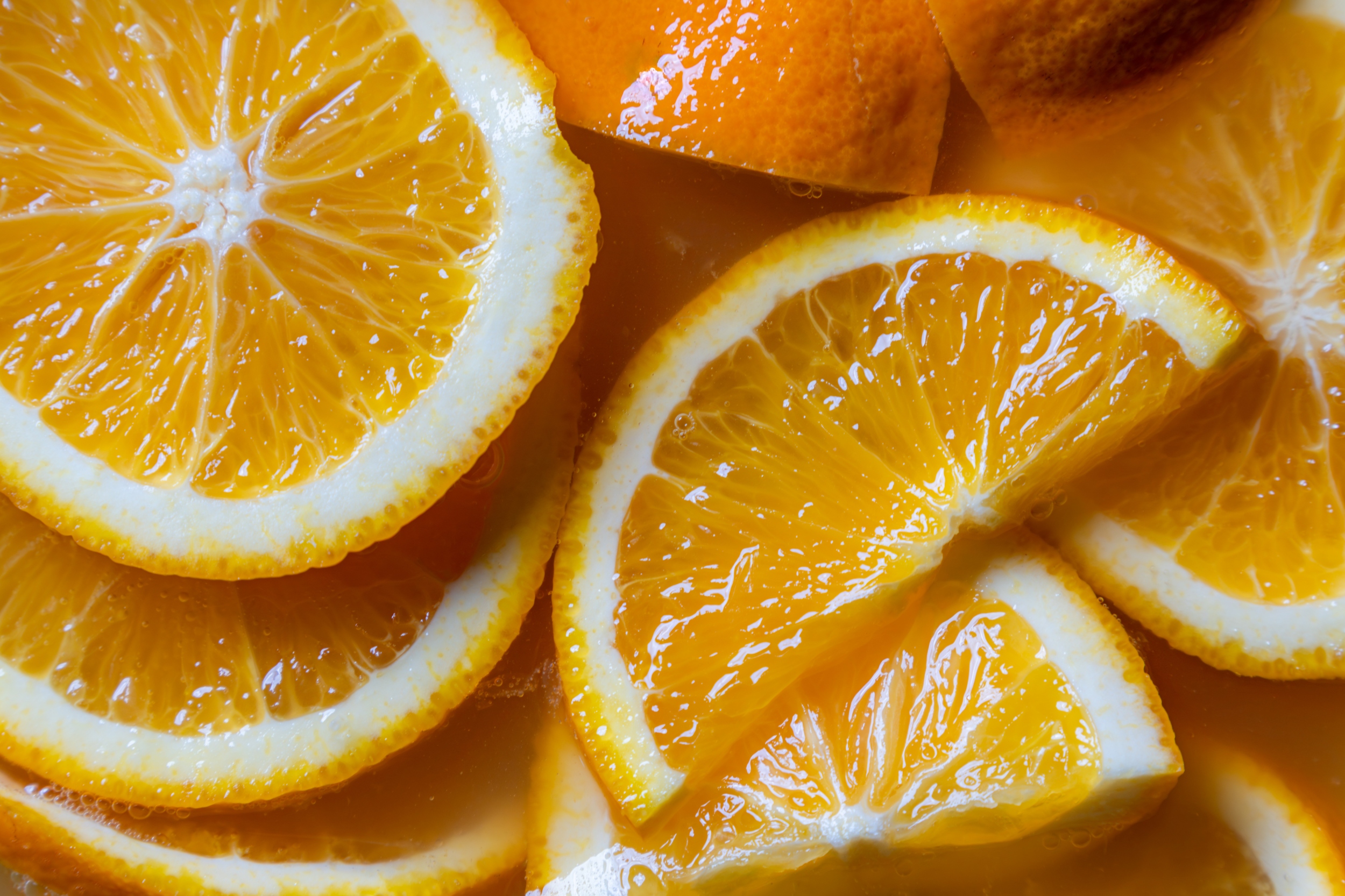
Photo Credit: "© [Dipo] / Adobe Stock
Getting enough iron isn’t just about what you eat, it’s also about how you combine foods.
Pair Iron-Rich Foods with Vitamin C for Better Absorption
Vitamin C helps your body absorb non-heme iron more effectively. Try:
- Spinach with lemon juice
- Lentils with tomatoes
- Oats with berries
- Vitamin C supplements with your iron-rich meal
Avoid Tea and Coffee Around Meals
Tea and coffee contain compounds that can reduce iron absorption. Enjoy them between meals instead.
Cook Using Cast Iron for a Small Iron Boost
Cooking in cast-iron pans can slightly increase the iron content of your meals over time. You can also get an iron “fish” that you boil in water and stews to boost your intake.
How Much Iron Do You Need Each Day?
Your daily iron needs will vary depending on your age and lifestyle. If you’re unsure about your intake, it’s always best to seek advice from a healthcare professional.
- Adult men: approximately 8 mg per day.
- Adult women (19–50): approximately 18 mg per day.
- Pregnant women: higher requirements (specify with your doctor).
Who May Need to Pay Closer Attention to Iron Intake?
Some groups are more likely to need higher iron intake or be mindful of their levels:
- People who menstruate (especially teens).
- Pregnant people.
- Vegetarians and vegans.
- Athletes.
- Those with specific health conditions.
Common Signs Your Body May Need More Iron
While only testing can confirm low levels, some common signs include:
- Feeling tired or low in energy.
- Difficulty concentrating.
- Pale skin.
- Shortness of breath.
- Cold hands and feet.
Supporting Your Iron Levels Through Everyday Foods
Include a variety of iron-rich foods and pair them in a way that supports absorption. Small, consistent changes, like adding seeds to your breakfast or choosing whole grains, are a great place to start. Adding iron supplements is also a good way to help any nutritional gaps, helping you feel more energised and balanced day to day.
FAQs
What are the best natural sources of iron?
The best natural sources of iron include red meat, poultry, fish, lentils, beans, spinach, and other leafy greens. Nuts, seeds, whole grains, and dried fruits like apricots and raisins also help boost intake, especially on a plant-based diet.
Can you get enough iron from a plant-based diet?
Yes, you can get enough iron from a plant-based diet by eating foods like lentils, beans, tofu, spinach, nuts, seeds, and whole grains. Plant-based iron is less easily absorbed, so it helps to pair these foods with vitamin C-rich fruits and vegetables.
What reduces iron absorption?
Iron absorption can be reduced by tea, coffee, and calcium-rich foods when consumed at the same time as iron-rich meals. Certain compounds in these drinks and foods can interfere with how well your body absorbs iron. To help improve absorption, it’s best to enjoy them between meals rather than alongside iron-rich foods.