Photo Credit: "© [InsideCreativeHouse] / Adobe Stock
“Metabolism” is a word that gets thrown around constantly, usually in conversations about weight, calories, or ageing. But metabolic health is about far more than how quickly you burn food for energy. By the end of this article, you’ll have a better understanding of what metabolic health is, how to improve it, and answers to the most frequently asked questions about metabolic health.
What is metabolic health?
Metabolic health refers to how well your body processes and uses energy from the food you eat. It involves a complex network of systems that regulate blood sugar, cholesterol levels, blood pressure, inflammation, and fat storage.
When your metabolism is functioning well, your body:
- Maintains stable blood sugar levels
- Responds effectively to insulin
- Converts food into usable energy
- Regulates hunger and fullness cues
- Manages inflammation efficiently
Why is metabolic health important?

Photo Credit: "© [Syda Productions] / Adobe Stock
Metabolic health plays a foundational role in nearly every aspect of wellbeing, influencing how you feel today and how well your body functions in the future.
1. Hormonal balance
Your metabolism is closely linked to hormones such as insulin, cortisol, and leptin. When metabolic health is compromised, these hormones can become dysregulated, affecting appetite, stress response, and sleep quality.
2. Heart health
Healthy metabolic markers, including balanced cholesterol and blood pressure, are key to supporting cardiovascular health long-term.
3. Steady energy
When blood sugar levels are stable, you avoid the mid-morning slumps and afternoon crashes that often lead to sugar cravings. Stable energy makes it easier to focus, exercise, and stay productive.

Photo Credit: "© [ivanko80] / Adobe Stock
4. Reduced inflammation
Chronic low-grade inflammation is often linked to metabolic dysfunction. Supporting metabolic health helps your body regulate inflammatory responses more effectively.
5. Long-term disease prevention
Strong metabolic health lowers the risk of developing conditions such as type 2 diabetes and cardiovascular disease. It supports longevity and quality of life as you age.
Good metabolism vs. bad metabolism
Good metabolic health isn’t about having a “fast” metabolism. It’s your body’s ability to switch between burning carbohydrates and fats for fuel, respond appropriately to meals, and maintain balance without extreme spikes or crashes.
Poor metabolic health may show up as persistent fatigue, blood sugar swings, increased abdominal weight gain, high cholesterol, or difficulty maintaining energy levels throughout the day.
Is a good or bad metabolism genetic?

Photo Credit: "© [robertuzhbt89] / Adobe Stock
Yes and no. The real answer is that metabolism is partly influenced by genetics, including how efficiently you burn energy, store fat, and regulate blood sugar.
However, lifestyle factors such as diet, strength training, sleep, stress levels, and daily movement often have a greater impact over time. While you can’t change your genes, you can significantly improve your metabolic health through consistent, supportive habits.
Foods that improve metabolic health
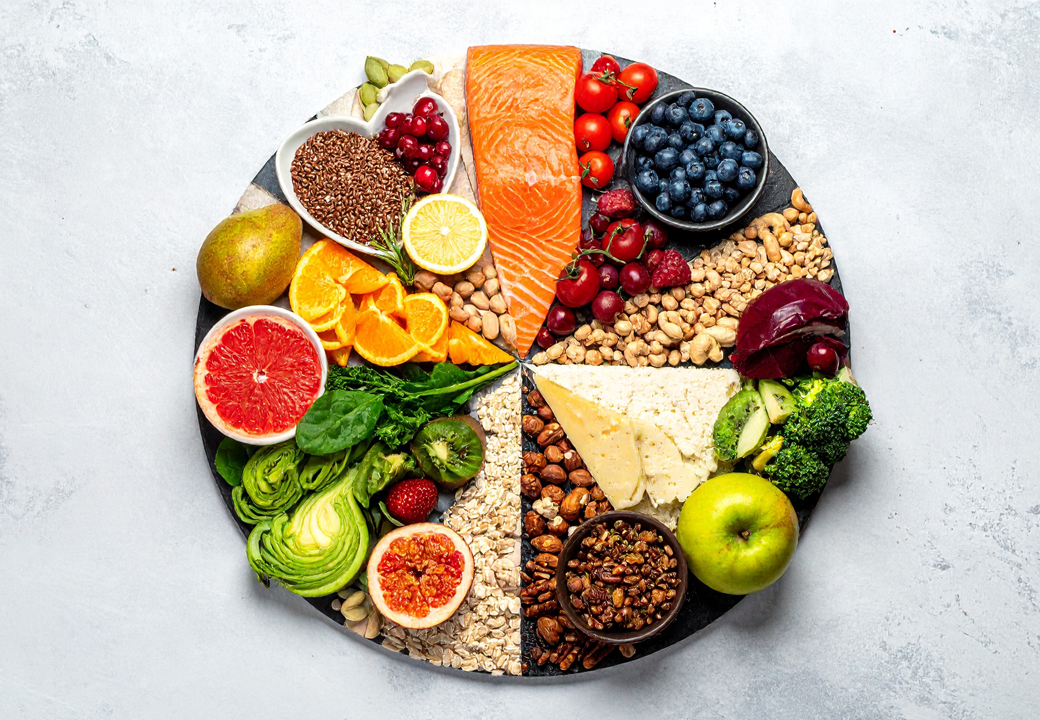
Nutrition is one of the most powerful tools for improving metabolic flexibility and balance. Whole, fibre-rich, minimally processed foods support stable blood sugar, improve gut health, and reduce inflammation. So, which ones should you choose?
1. Oats
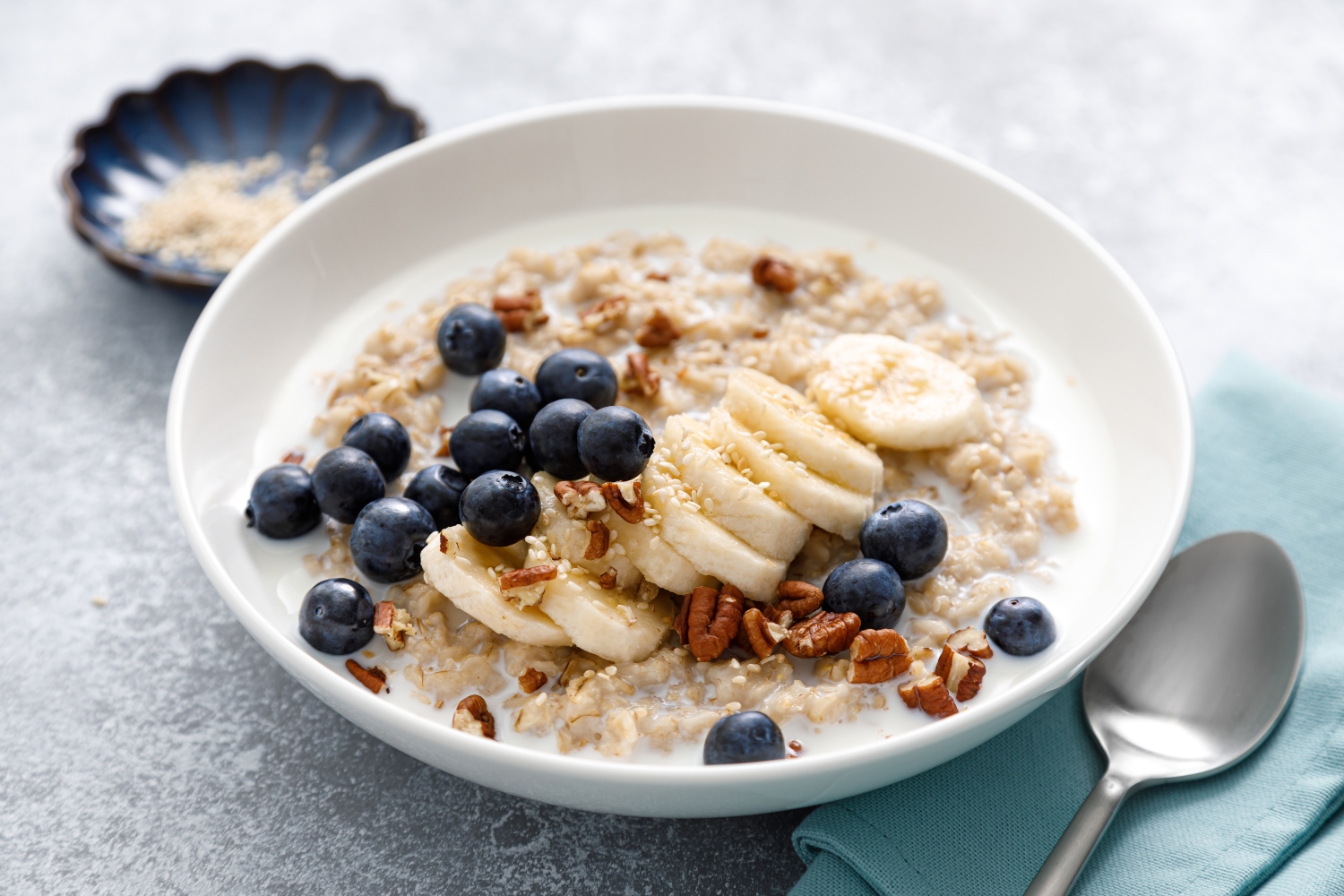
Photo Credit: "© [Sea Wave] / Adobe Stock
Oats are rich in beta-glucan fibre, which helps slow digestion and stabilise blood sugar levels. The gradual release of glucose prevents spikes and crashes, keeping energy levels steady. A bowl of porridge oats topped with nuts and seeds makes a balanced breakfast that supports insulin sensitivity and satiety.
2. Chia seeds
Chia seeds are packed with fibre and omega-3 fatty acids. The soluble fibre forms a gel-like consistency when mixed with liquid, slowing carbohydrate absorption and promoting balanced blood sugar levels. They’re easy to add to smoothies, yoghurt, or overnight oats for a metabolism-friendly boost.
3. Flax seeds

Photo Credit: "© [Larisa] / Adobe Stock
Flax seeds (or linseeds) provide fibre and plant-based omega-3 fats, both of which support healthy cholesterol levels and reduce inflammation. Sprinkle some seeds over cereal, add to baking, or stir into soups.
4. Almonds
Almonds offer a powerful combination of protein, fibre, and healthy fats, preventing rapid blood sugar fluctuations and keeping you fuller for longer. Snacking on a small handful of almonds between meals can help regulate appetite and reduce cravings.
5. Walnuts
Walnuts are rich in omega-3 fatty acids and antioxidants, which support heart health and reduce inflammation. Healthy fats improve insulin sensitivity and support metabolic flexibility. Walnuts are easy to slip into your everyday diet by mixing them with salads or porridge, and enjoying them as a simple snack.
6. Pumpkin seeds
Pumpkin seeds contain magnesium, a mineral that plays a key role in blood sugar regulation and insulin function. Magnesium also supports sleep, which is essential for metabolic balance.
7. Quinoa
Quinoa is a high-protein whole grain containing all nine essential amino acids. Its fibre and protein content slows digestion and promotes stable energy release to improve metabolic health. Using quinoa as a base for grain bowls or salads supports balanced blood sugar and sustained energy.
8. Lentils
Lentils are rich in fibre and plant-based protein. They help slow carbohydrate absorption and improve satiety, reducing overeating and blood sugar spikes, which is great for boosting your metabolism.
9. Dried apricots
Dried fruit provides fibre, iron, and antioxidants. When paired with nuts, dried apricots can offer balanced energy without rapid spikes. However, make sure you don’t eat a whole packet in one sitting! They contain natural sugars, so balance them with nuts, like almonds.
Quick holistic tips to improve metabolic health

Photo Credit: "© [DedMityay] / Adobe Stock
Food is essential, but it’s only one piece of the puzzle. Metabolic health is also deeply influenced by lifestyle factors. Focus on the following pointers to improve your metabolism further:
- Sleep
- Exercise & regular movement
- Manage stress
- Stay hydrated
- Avoid extreme dieting
FAQs about metabolic health
1. Is metabolic health the same as weight?
No. While body weight can influence metabolic markers, metabolic health is determined by factors such as blood sugar regulation, cholesterol levels, inflammation, and insulin sensitivity. Someone can be at a healthy weight but still experience a metabolic imbalance.
2. How can I tell if my metabolic health needs improvement?
Signs may include persistent fatigue, strong sugar cravings, difficulty losing weight, brain fog, or energy crashes. The first starting point is to eat well and do things to improve your metabolism. If you’re still struggling, then taking a blood test is a great way to gain more insight.
3. How long does it take to improve metabolic health?
Improvements can begin within just weeks of consistent lifestyle changes. Regular movement, improved sleep, balanced meals, and stress management gradually enhance insulin sensitivity and metabolic flexibility over time.
The key takeaway
Metabolic health isn’t about speeding up your metabolism or chasing restrictive trends. It’s supporting your body’s ability to process energy efficiently, regulate blood sugar, and maintain balance. Small, consistent habits make the biggest difference. Look after your metabolism daily, and your body will reward you with resilience and vitality.