

Photo Credit: "© [Bohdan] / Adobe Stock
Dementia. It’s a word that has been gaining traction and awareness recently. But why? Well, there’s a good reason. A 2023 report shows that a shocking 57 million adults worldwide have dementia, and it’s one of the leading causes of death in the UK.
One of the key contributors may be due to the Western diet, which is filled with sugary, high-salt, and ultra-processed foods. However, there is hope (and plenty of it).
A growing body of research suggests that diet and lifestyle choices may play a meaningful role in reducing risk and supporting brain health. Keep reading for the science behind a better diet for dementia and the best foods for dementia prevention.
What is dementia?

Photo Credit: "© [Gorodenkoff] / Adobe Stock
Dementia is not a single disease, but an umbrella term used to describe a range of progressive neurological conditions. As dementia develops, brain cells become damaged and die, leading to a decline in cognitive function that interferes with daily life.
This affects memory, thinking, behaviour, and the ability to perform everyday tasks. The most common form is Alzheimer’s disease, followed by vascular dementia, Lewy body dementia, and frontotemporal dementia.
What causes dementia?
There’s no single cause of dementia. Instead, it develops due to a combination of genetics, lifestyle, and environmental factors. Some of the most well-established risk factors include:
- Age (risk increases significantly over 65)
- Genetics and family history
- Cardiovascular disease (high blood pressure, stroke, diabetes)
- Smoking and excessive alcohol consumption
- Physical inactivity
- Poor diet quality
- Chronic inflammation and oxidative stress in the brain
Can diet help prevent dementia?
In short - yes. Research is increasingly showing that diet has a significant impact on the risk of developing dementia.
A major review on diet and lifestyle impact of Alzheimer’s dementia concludes that what you eat can “offer an alternative therapeutic route for slowing and preventing cognitive decline and dementia.” The Mediterranean diet, in particular, is effective. It includes plant-based foods, like legumes, nuts, and seeds, and healthy fats such as olive oil (we’ll get into each food later in the article).
MIND (Mediterranean-DASH Intervention for Neurodegenerative Delay) is another effective diet. It’s very similar to the Mediterranean diet, but with modifications to focus on foods specifically associated with reducing dementia risk (such as berries).
Why do these diets work?

Photo Credit: "© [Yoga] / Adobe Stock
The protective effects of the Mediterranean and MIND diet are likely due to several reasons. These include:
- Reducing chronic inflammation in the brain.
- Supporting healthy blood vessels and circulation.
- Providing antioxidants that reduce oxidative stress.
- Improving insulin sensitivity and metabolic health
- Supporting the gut microbiome and gut–brain communication.
Best foods for dementia prevention
Below are some of the most well-researched foods and food groups linked to better brain health.
1. Leafy green vegetables
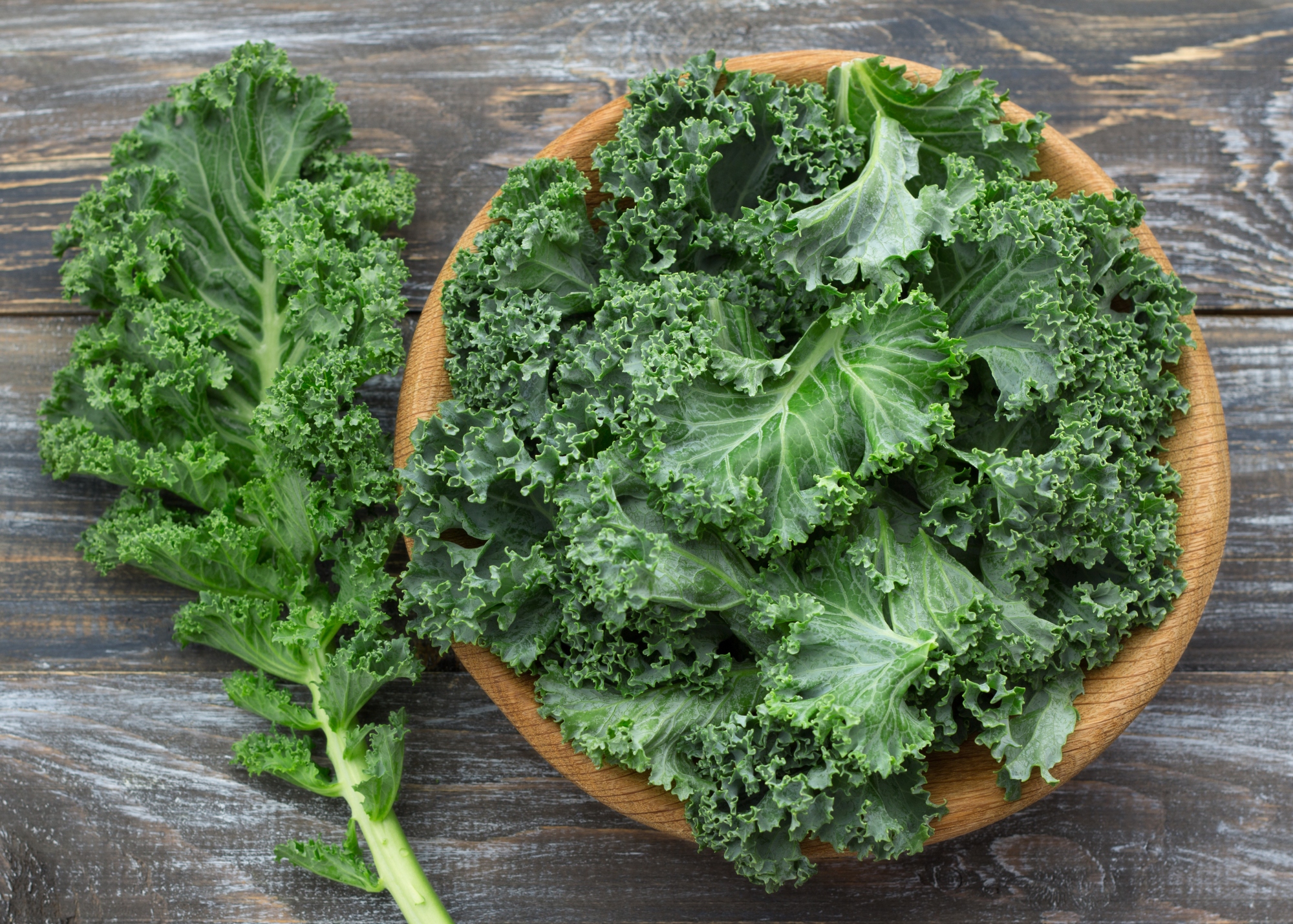
Photo Credit: "© [olepeshkina] / Adobe Stock
Spinach, kale, Swiss chard, and broccoli are rich in vitamin K, folate, beta-carotene, and antioxidants. These nutrients help reduce oxidative stress and inflammation in the brain, two processes strongly linked to cognitive decline. Specifically, a Natural Compound in Kale May Help Treat Dementia. It’s called Kaempferol, a flavonoid known to decrease the risk of neurodegenerative diseases.
Kale recipe: Vegan Quinoa Buddha Bowl
2. Berries
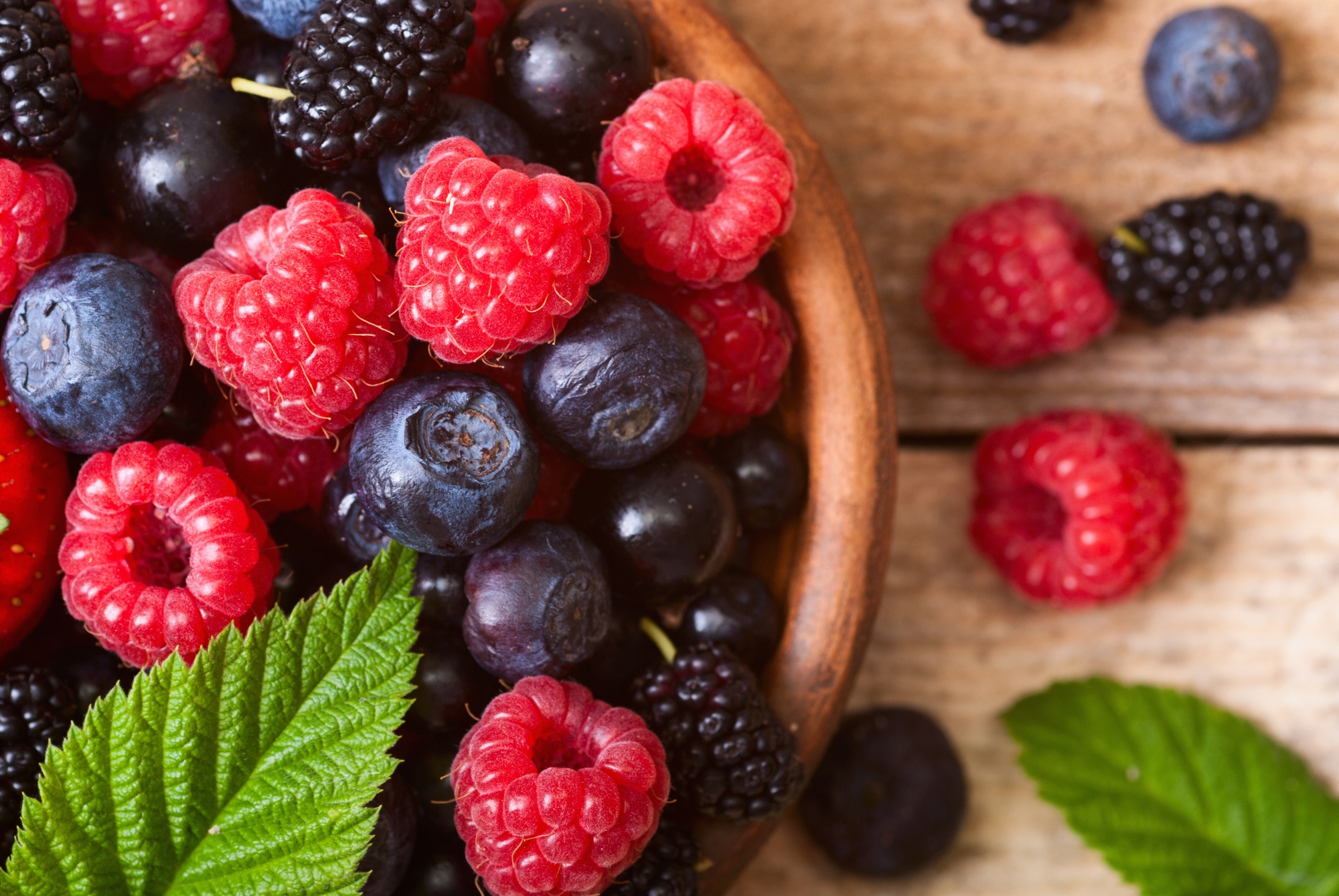
Photo Credit: "© [whitestorm] / Adobe Stock
Blueberries, strawberries, and blackberries are other plant-based foods bursting with flavonoids. Blueberries, in particular, are highlighted for their incredible antioxidant benefits.
A study in Blueberry Supplementation for Dementia Risk Reduction found that the berry is beneficial for middle-aged individuals with a risk for future dementia. This is because they contain anthocyanins, proanthocyanidins, which enhance metabolic and mitochondrial function. These functions are key to cognitive function, and can reduce neurodegenerative diseases, like dementia.
Recipe: Blueberry And Cashew Smoothie
Read more: Acai Berries Vs Blueberries: Which Is Best?
3. Omega-3 fatty acids

Photo Credit: "© [photoplotnikov] / Adobe Stock
Fish Oil and fatty fish, like salmon, sardines, mackerel, and trout, are high in omega-3 fatty acids, which reduce inflammation and support neuronal communication. Specific oils like olive oil and flaxseed oil also contain healthy fats for brain health.
A 12-week 2023 study showed that Supplementation with Flaxseed Oil Improves Verbal Fluency. But what has that got to do with dementia?
Verbal fluency is intricately connected with cognitive function, including memory, word retrieval, information processing speed, and cognitive flexibility. So, taking flaxseed oil regularly may not only improve your cognitive function now, but also protect your brain against dementia in the future.
4. Nuts and seeds
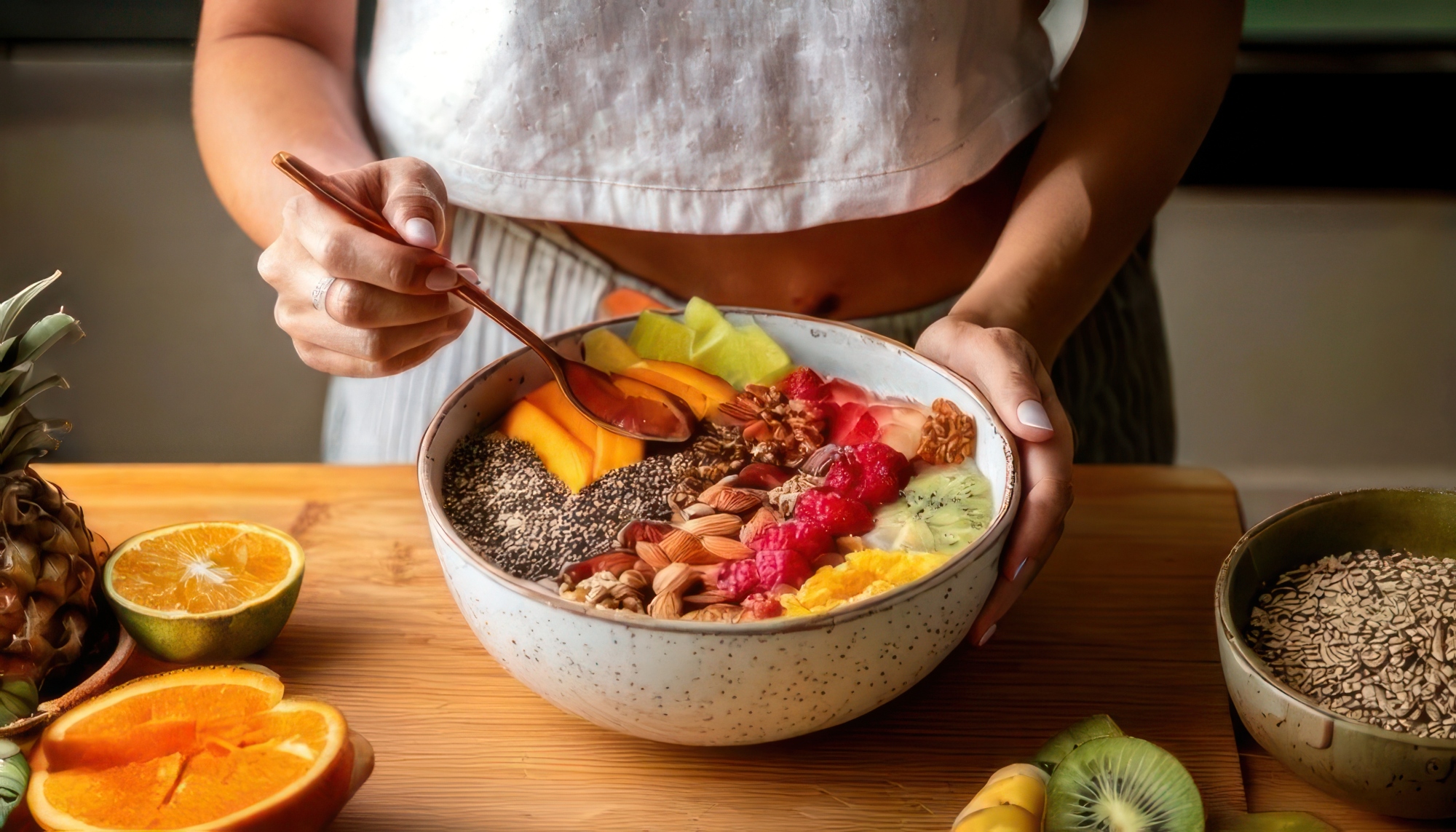
Photo Credit: "© [tita] / Adobe Stock
Walnuts, almonds, and chia seeds are other sources of healthy fats to protect brain cells from oxidative damage. Walnuts are often highlighted due to their high alpha-linolenic acid (ALA) content, a plant-based omega-3 fatty acid that protects the brain cells.
Research into the Beneficial Effects of Walnuts on Cognition and Brain Health found evidence that walnuts lower oxidative stress two-fold. First, it decreases free radicals (unstable molecules that create oxidative damage). And second, by increasing antioxidant defence to protect essential lipids and proteins.
5. Whole grains, beans, & legumes
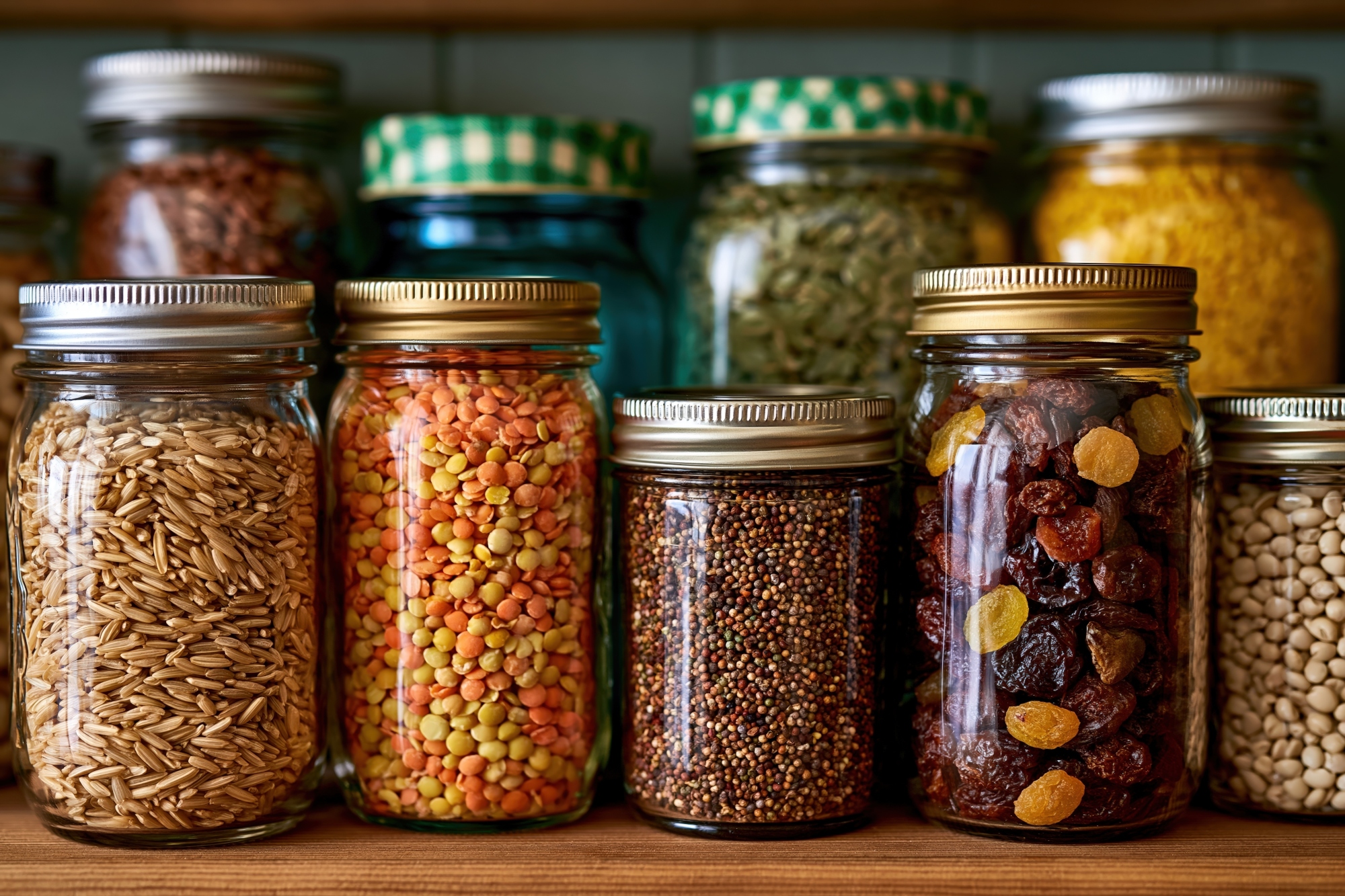
Photo Credit: "© [spyrakot] / Adobe Stock
Whole grains, like oats, brown rice, and quinoa, provide steady energy and help regulate blood sugar levels. Stable blood sugar is important for brain health, as repeated spikes and crashes in glucose may contribute to vascular damage over time.
Lentils, chickpeas, and beans are also essential. A 15-year study concluded that healthy plant-based participants who consumed beans, legumes, and whole grains reduced dementia risk by up to 21%. The study had a particular focus on lentils, which, when regularly consumed, showed statistically lower cognitive decline.
Foods that increase the risk of dementia
Research consistently shows that ultra-processed foods may increase dementia risk. This is shown in the 2025 study, ultra-processed food consumption and risk of dementia and Alzheimer's disease. Participants who were above 68 years old showed that “each serving per day of ultra-processed food was associated with 13% increased risk for Alzheimer's disease."
Foods to avoid include:
- Sugary snacks and drinks.
- Processed meats.
- Packaged ready meals.
- Refined carbohydrates.
Eat well and reduce your risk of dementia
Research continuously shows that specific foods support brain function. Enriching your life with anti-inflammatory kale, cognitive-improving berries, and antioxidant-rich nuts all contribute to defence against dementia. Start stocking your cupboards with dementia preventing foods now with Grape Tree.