GLP-1 has become a big talking point in the world of nutrition and weight management. Prescription GLP-1 medications has changed the conversation around appetite and blood sugar. But, there’s also growing interest in natural GLP-1. Specifically, whether the foods you eat can encourage your body to release more of the hormone and increase energy.
In this guide, we’ll look at natural GLP-1 foods, what you might want to include in a GLP-1 diet, and which foods are worth keeping to a minimum for steady energy.
What is GLP-1?
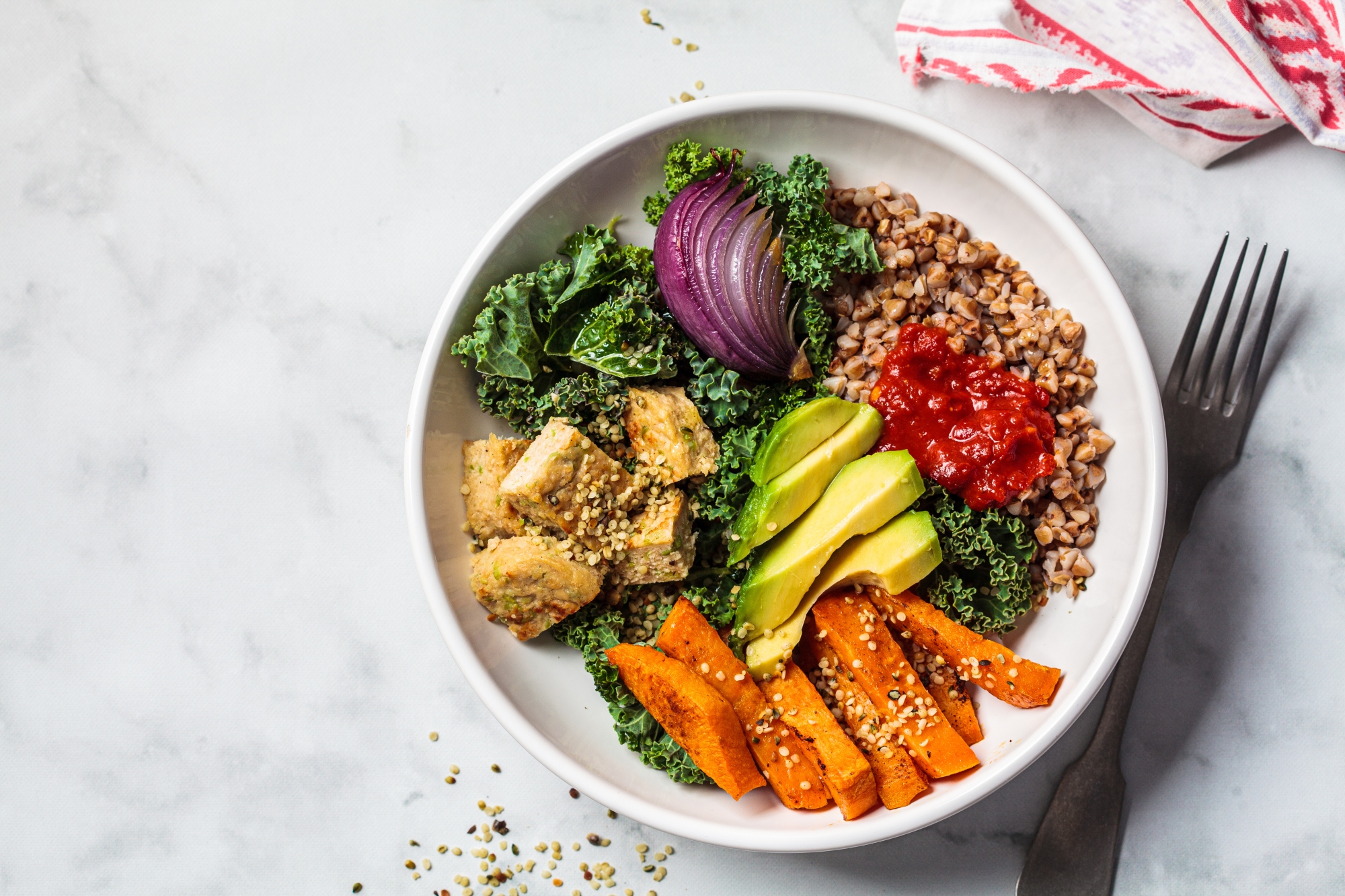
Photo Credit: "© [vaaseenaa] / Adobe Stock
GLP-1 stands for glucagon-like peptide-1. It’s a hormone produced in your gut after you eat, and it has several important jobs in the body. It helps regulate blood glucose, encourages insulin release when blood sugar rises, and can increase feelings of fullness to balance appetite.
Can GLP-1 foods incease your energy?
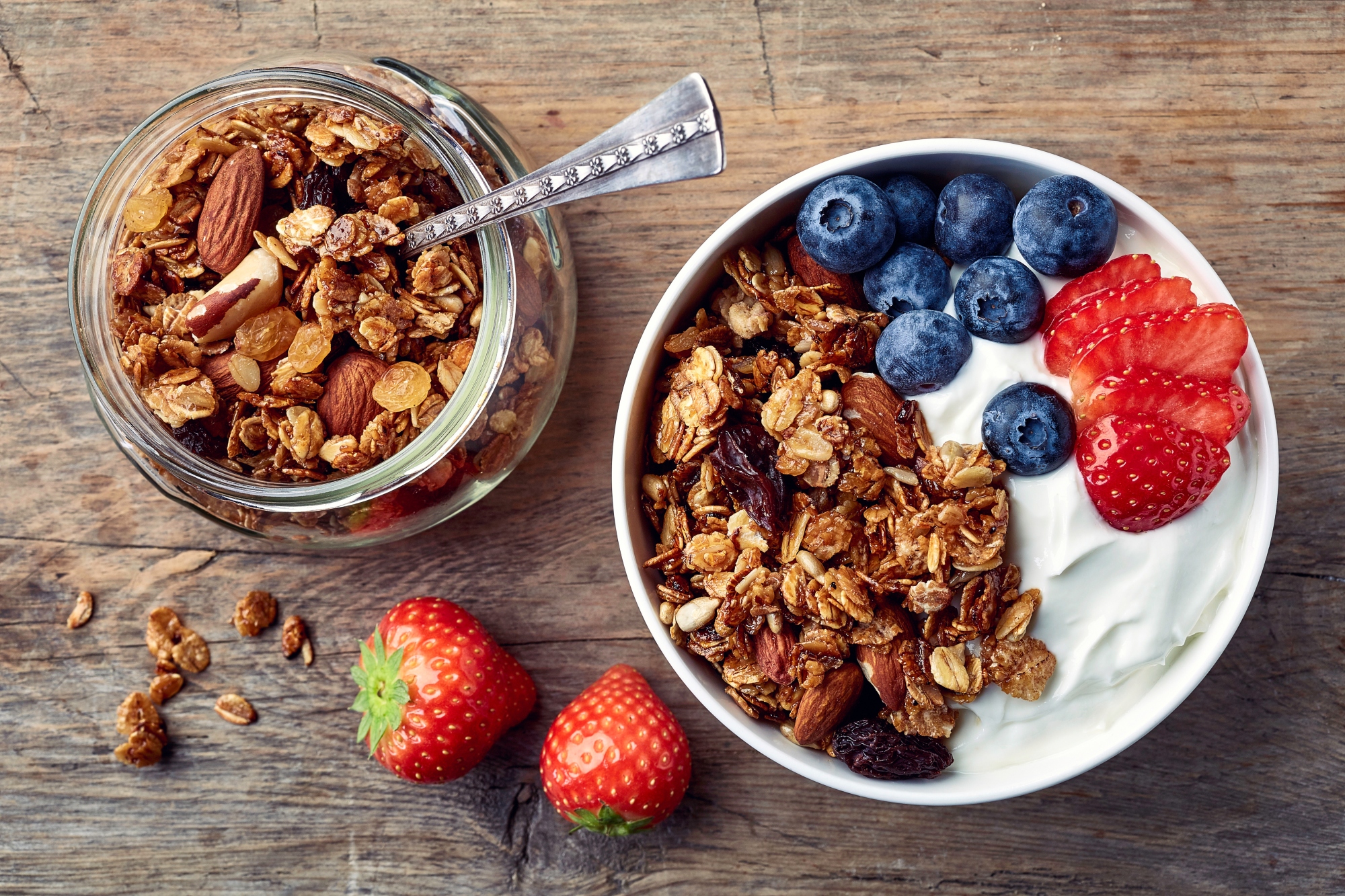
Photo Credit: "© [baibaz] / Adobe Stock
Most people don’t realise that your body already makes GLP-1 naturally. That means the food you eat can influence the release of the hormone. GLP-1 natural sources include nutrients such as protein, certain fats, and fermentable fibre, but does GLP-1 increase energy?
Not directly, at least not in the same way you might notice a caffeine hit or a quick burst of energy from carbohydrates. However, foods that encourage natural GLP-1 release can be part of a balanced eating pattern that helps you feel more consistently energised throughout the day. So, rather than searching for one natural GLP-1 activaton, it makes more sense to look at the bigger picture, like diet and lifestyle habits.
Your GLP-1 food list: Here’s what to eat
There isn’t an official list of foods that dramatically increase GLP-1, and research into individual foods is still developing. That said, several nutrients and food groups have attracted plenty of interest.
1. Fibre-rich foods
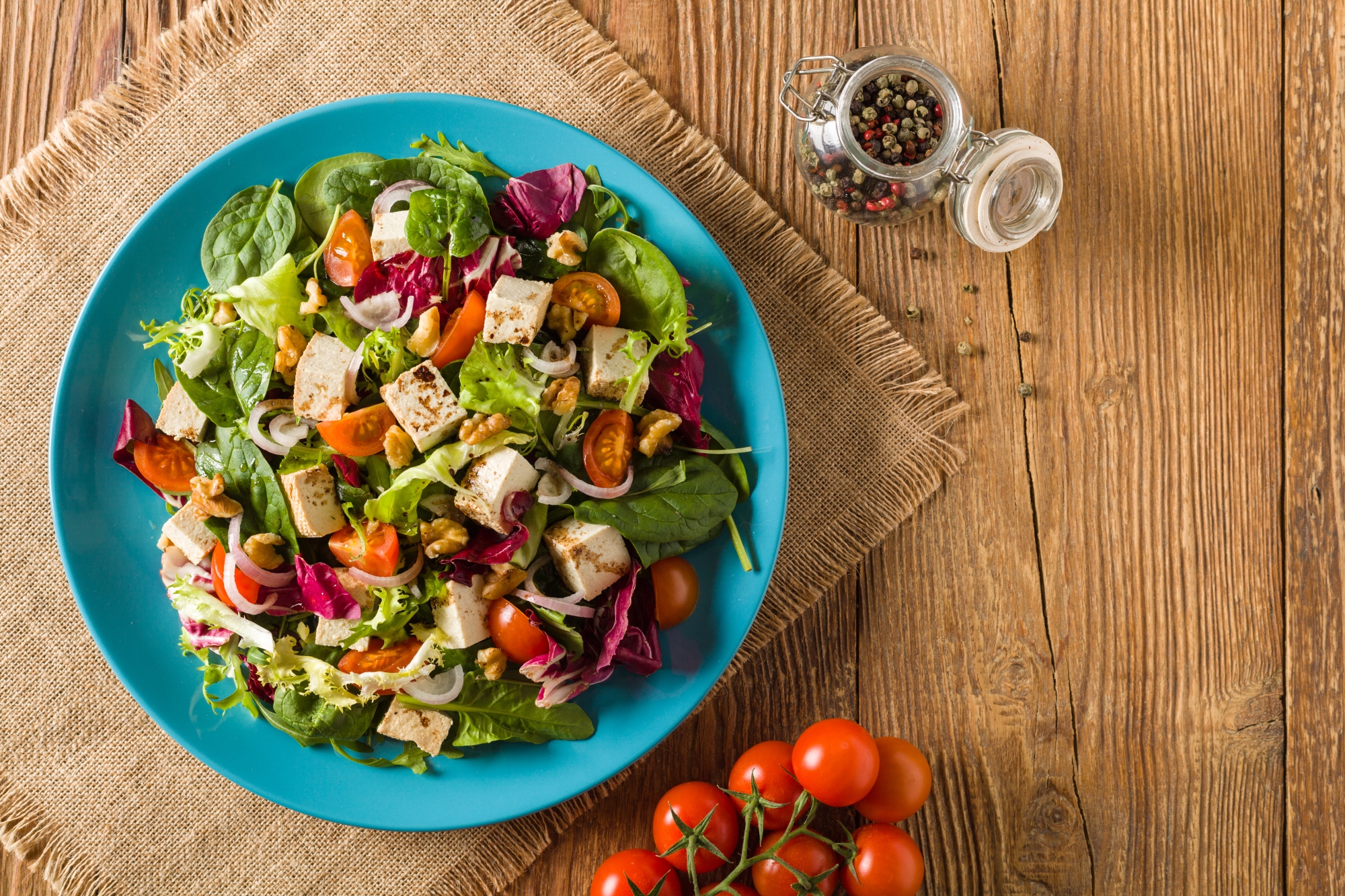
Photo Credit: "© [gkrphoto] / Adobe Stock
Fibre is one of the more interesting areas of research when it comes to natural GLP-1. Certain types of fibre are fermented by the bacteria in your gut, producing short-chain fatty acids that may stimulate GLP-1 release.
But, before you start adding kale to every meal, keep in mind that if you’re not currently eating much fibre, increase your intake gradually. Suddenly going from very little fibre to lots can leave you feeling bloated or gassy while your digestive system adjusts. A good place to start is eating nuts and seeds in small amounts. Also, opt for fibre that has already been softened, for example porridge and cooked vegetables.
Dominant sources of fibre include:
- Oats
- Wholegrains
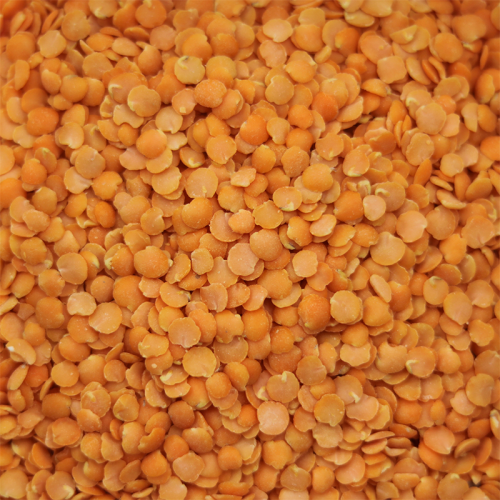
- Beans and lentils
- Chia seeds
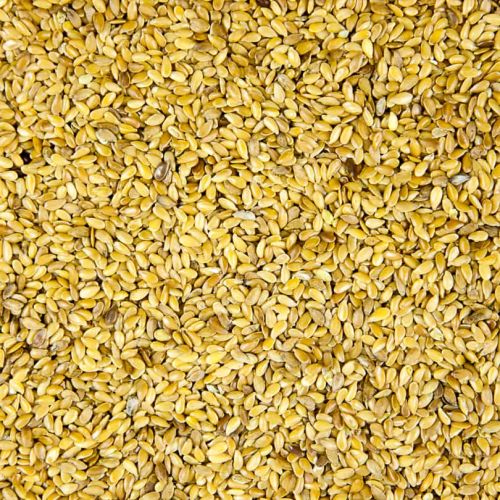
- Flaxseeds
- Vegetables
- Berries
- Apples
2. Protein-rich foods
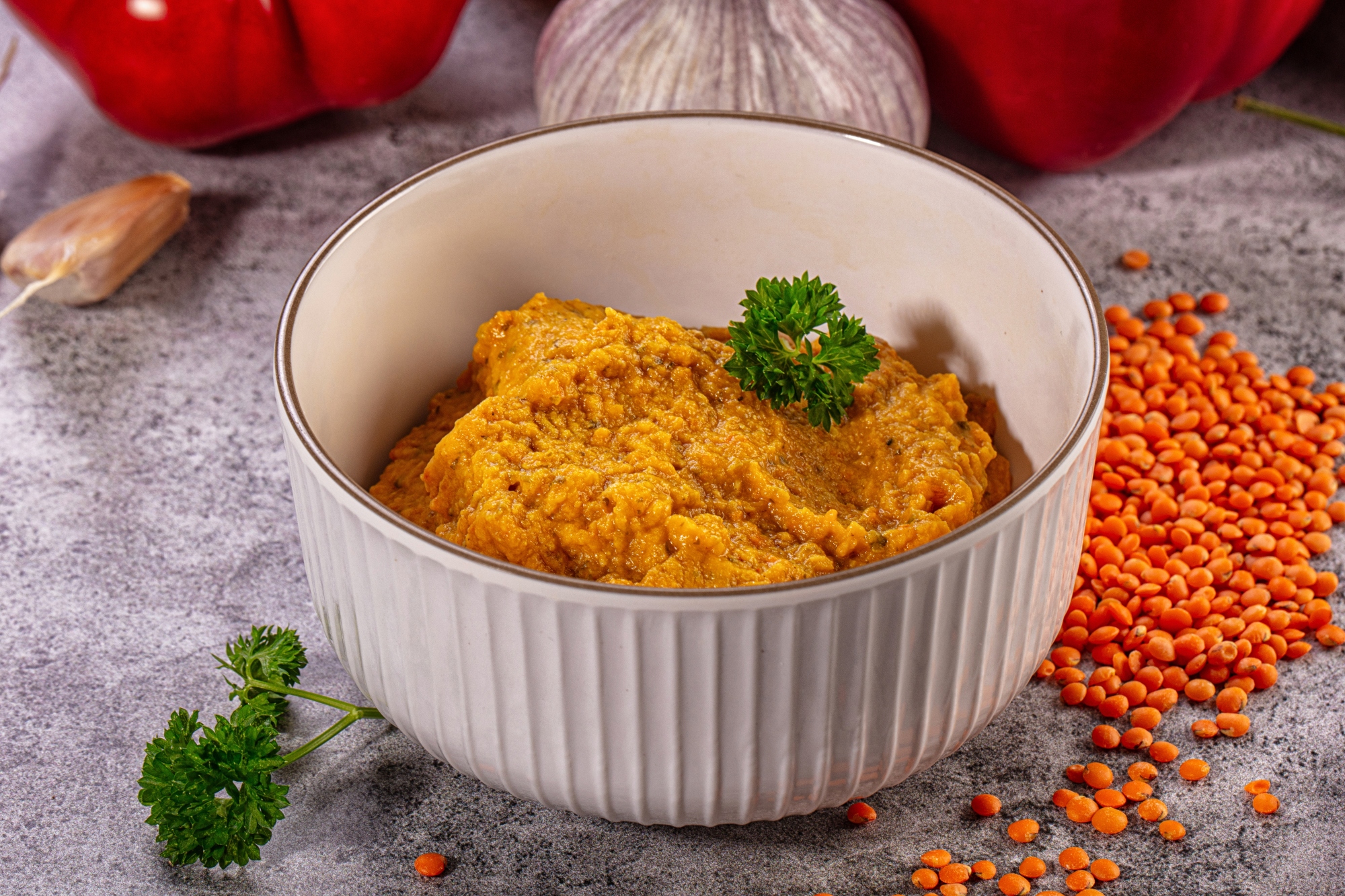
Photo Credit: "© [Andrei Starostin] / Adobe Stock
Protein is another nutrient worth paying attention to. It can stimulate GLP-1 release and help you stay fuller for longer. The average person needs approximately 1g of protein per kilogram of their body weight. As a rule of thumb 40-60 grams is a good amount for women and 50-80 grams for men. You can take more, but make sure not to over consume food.
Protein intake is often associated with muscle building and you can absorb up to 100 grams of protein in one sitting. However, your body only utilizes about 30 grams per meal for muscle synthesis. After that, the rest breaks down into amino acids and is used in other areas of your body for energy.
High protein foods include:
- Eggs
- Greek yoghurt
- Tofu and tempeh
- Lentils
- Chickpeas
- Beans
- Fish
- Lean poultry
- Nuts and seeds
3. Healthy fats
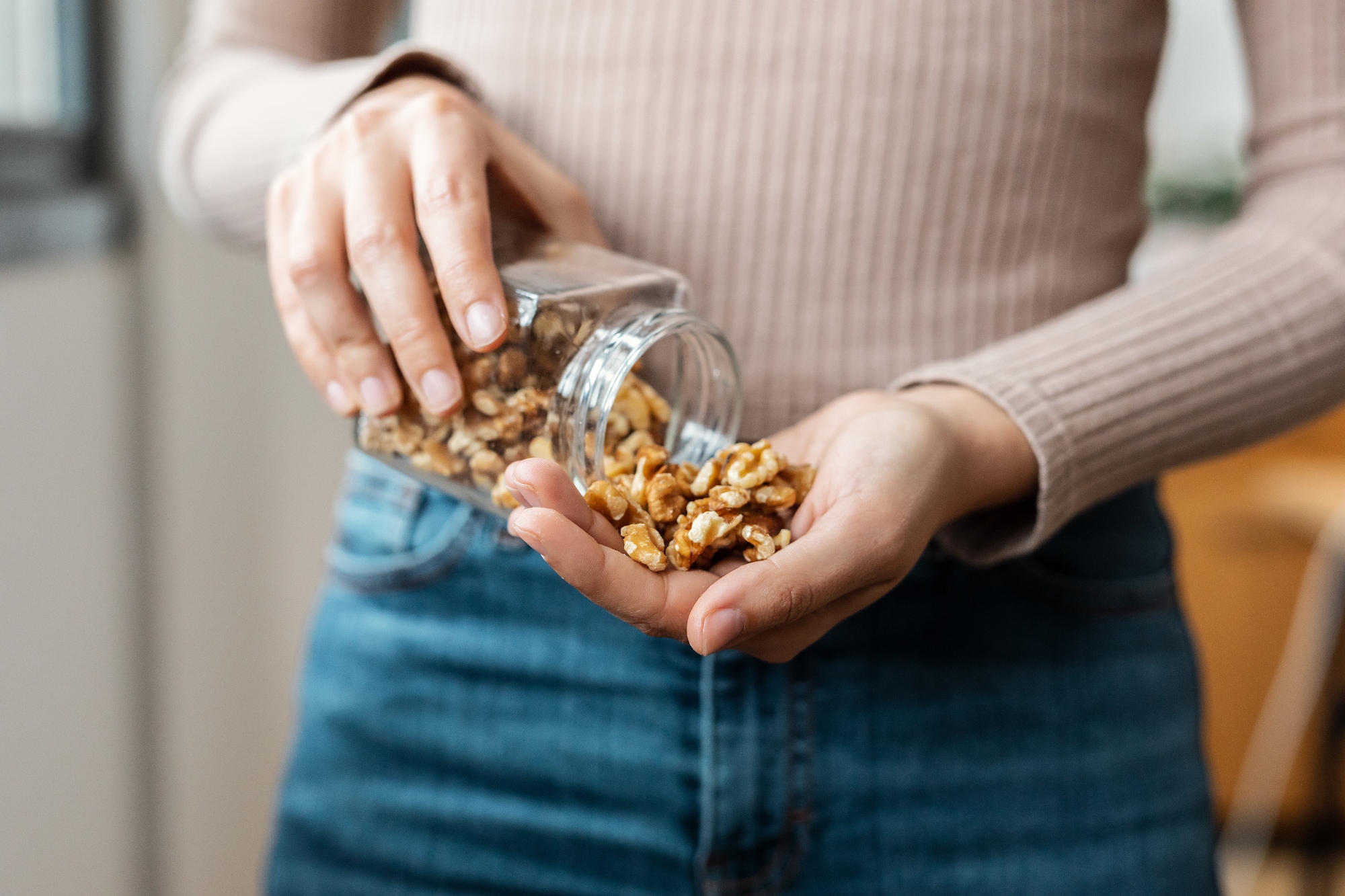
Photo Credit: "© [nenetus] / Adobe Stock
Unsaturated fatty acids are an important addition to a GLP-1 diet as they stimulate GLP-1 release through receptors in the gut. They also provide energy and can make meals feel more satisfying. This stops you from snacking or reaching for sugary foods as a temporary energy boost.
Add healthy fats such as:
- Avocado
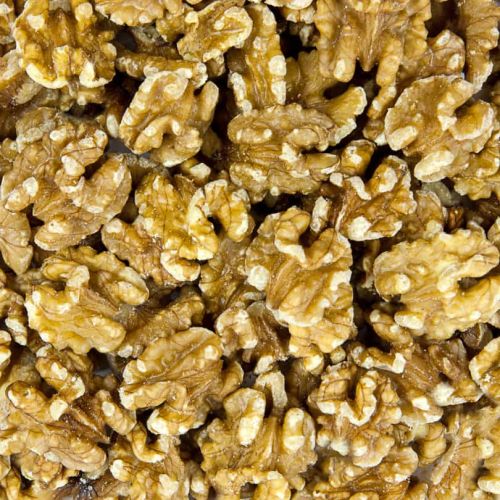
- Walnuts
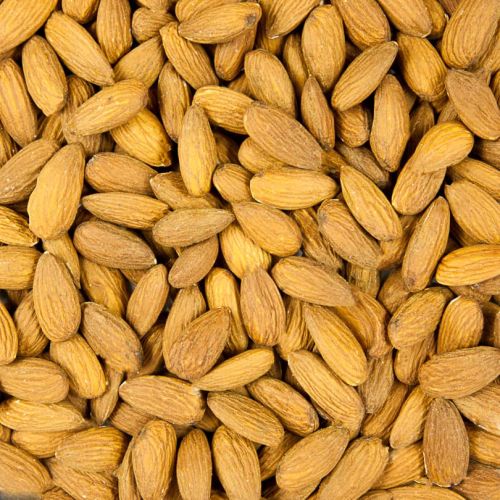
- Almonds
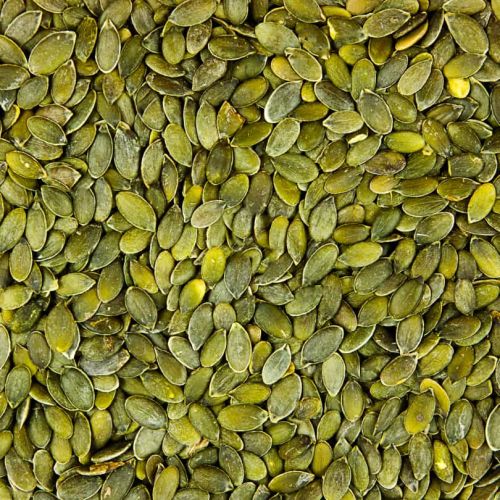
- Pumpkin seeds
- Olive oil
- Oily fish
Read more: 10 things you should know about walnuts
4. Fruit and vegetables
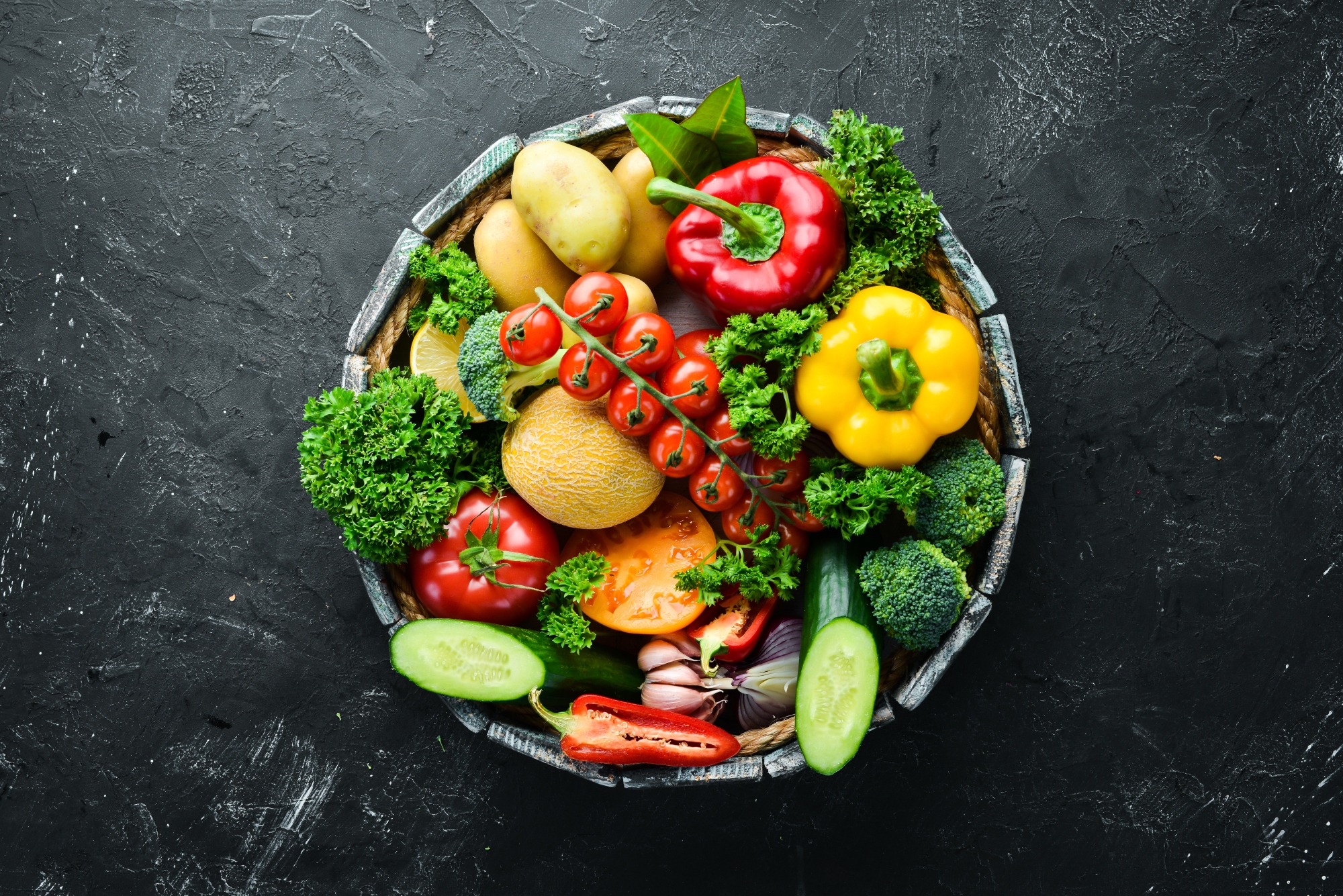
Photo Credit: "© [Yaruniv-Studio] / Adobe Stock
Specific fruit and vegetables contain polyphenols, which may influence GLP-1 secretion. However, they bring a lot more to the table than just GLP-1 potential, such as much-needed fibre alongside a wide variety of vitamins, minerals, and plant compounds.
Certain fruit and veggies to eat are:
- Berries
- Kale
- Spinach
- Broccoli
- Peppers
- Citrus fruits
5. Foods with interesting plant compounds
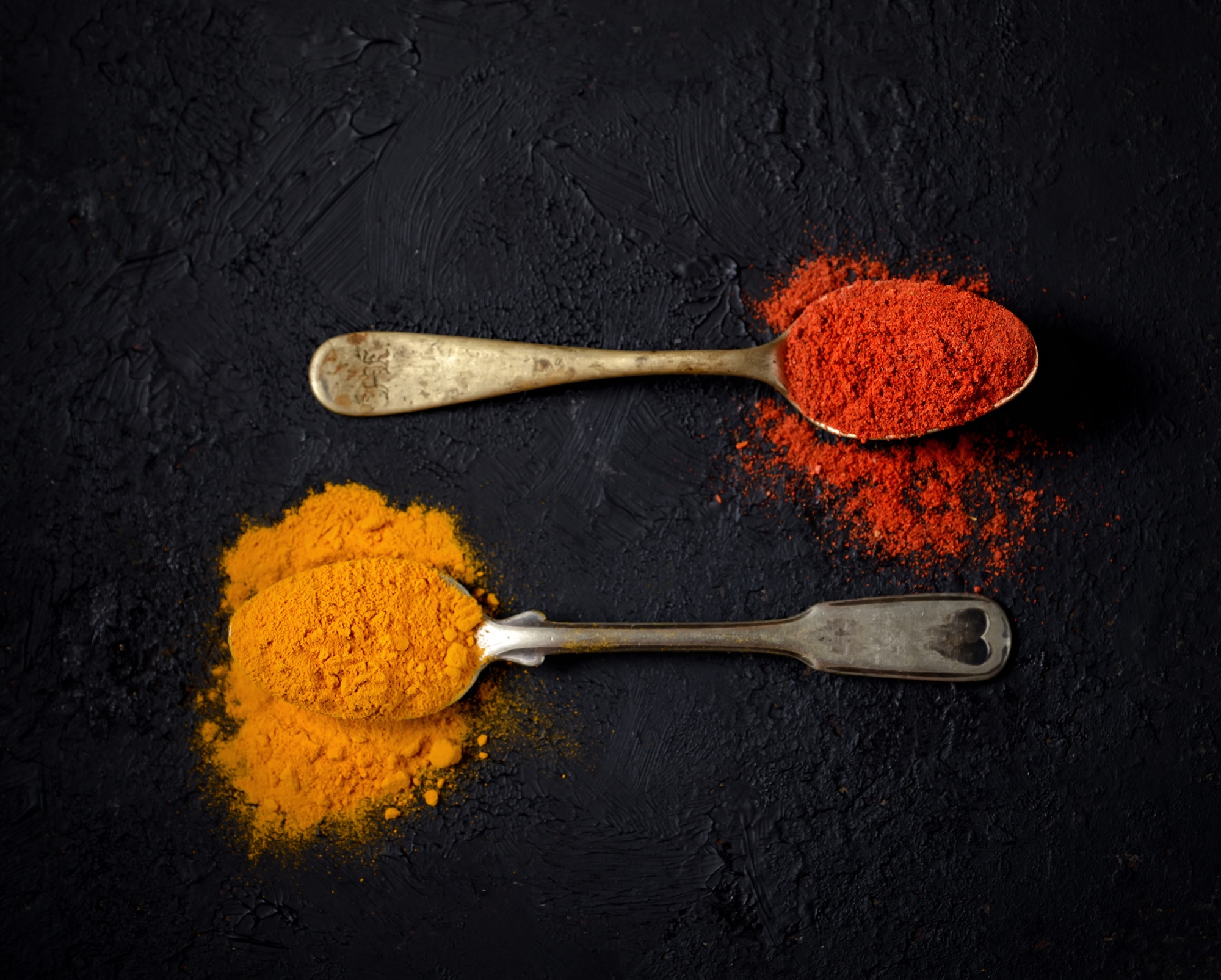
Photo Credit: "© [venge] / Adobe Stock
Considering certain “plant compounds” may sound odd at first, but specific compounds have attracted attention for their potential effects on natural GLP-1. These include curcumin in turmeric, capsaicin in chilli peppers, and catechins in green tea, as well as compounds found in cinnamon and ginger.
They are not categorised as foods that increase GLP-1. However, many of them are considered “superfoods” and are extremely good for your health.
Read more: The Super Spice: Turmeric Curcumin
What foods should you avoid?
There aren’t specific GLP-1 foods to avoid because eating one particular food won’t simply switch off your natural GLP-1 production. Instead, think about the overall nutritional value of what you’re eating.
Refined carbohydrates, sugar-sweetened drinks, highly processed sweets, fast food and heavily processed savoury snacks are generally better kept as occasional choices rather than foods you rely on every day. That doesn’t mean you need to ban anything from your diet, just find a healthy balance.
FAQs about GLP-1
Can GLP-1 foods help with weight loss and energy?
Foods that encourage natural GLP-1 release can be part of a balanced eating pattern that helps with fullness and provides the nutrients your body needs. However, GLP-1 foods aren’t a magic solution for weight loss or energy. Getting enough protein, fibre, healthy fats, and other essential nutrients is more important for maintaining energy and overall health.
What’s the difference between natural GLP-1 and GLP-1 medication?
Natural GLP-1 is the hormone your body creates in the gut when you eat food. GLP-1 medication is the synthetic GLP-1 hormone that you can inject or take as an oral tablet. The medication lasts longer, however it can include side effects such as nausea, stomach discomfort, and fatigue.
Can natural GLP-1 foods replace GLP-1 medication?
No. Foods can influence your body’s natural GLP-1 response, but they don’t work in the same way as prescription GLP-1. If you’re taking medication, continue to follow your healthcare professional’s advice rather than replacing it with dietary changes.
Natural GLP-1 is simple with Grape Tree wholefoods
You don’t need to build your entire diet around one hormone. Instead, focus on eating a varied mix of wholefoods, fibre, protein and healthy fats. Not only can these foods influence your natural GLP-1 response, but they also provide the nutrients your body needs to keep you feeling well and energised. Choose high-quality, organic ingredients, that are GMO-free and promote healthy living.