Photo Credit: "© [Katerina Bond] / Adobe Stock
Many adults struggle with an uncomfortable or bloated stomach at least on a monthly basis. It never feels good, and that’s because your gut does a lot more than just digest food. It plays a central role in how you feel day to day. Your energy, your comfort after meals, and even your overall sense of wellbeing. One of the simplest, most natural ways to support your digestion is by consuming fibre.
Adults are recommended to consume 30 grams of fibre per day. But a staggering 91% of UK adults aren’t getting enough. This is a problem, considering that when it comes to gut health, fibre contributes to essential behind-the-scenes work. Read on to understand more about how fibre supports your gut. And how to easily increase your everyday intake.
Why gut health matters more than you might think
Your gut is home to trillions of microorganisms known as the gut microbiome. It’s a little like a garden or an internal ecosystem. Different bacteria work together to help break down food, absorb nutrients, and support digestive comfort. When your ecosystem is in balance, digestion feels smooth and regular. But when it’s out of balance, you might notice bloating, irregularity, or general discomfort.
Fibre plays a key role in helping maintain that balance. It acts as a fuel source for beneficial bacteria, helping them thrive and do their job effectively. In other words, fibre doesn’t just pass through your system, it actively supports what’s going on inside your gut.
How fibre supports your gut microbiome

Photo Credit: "© [JP.Studio] / Adobe Stock
Not all fibre behaves the same way, but much of it reaches the large intestine, where it becomes food for your gut bacteria. When bacteria ferment fibre, they produce compounds called short-chain fatty acids. These help nourish the gut lining for a better digestive environment. It’s a gentle, ongoing process that works best when fibre is part of your daily diet rather than something occasional. The process helps:
- Support a balanced gut microbiome.
- Encourage the growth of beneficial bacteria.
- Maintain the health of the gut lining.
- Helps smooth and regular digestion.
The link between fibre and digestive comfort
One of fibre’s most well-known roles is supporting regular bowel movements. But its benefits go deeper than just “keeping things moving”. Both soluble and insoluble fibres play a part. Soluble fibre helps form a gel-like consistency in the gut, which provides slip for stool to move through the intestines. Insoluble fibre adds structure and movement. Together, they help the digestive system function more efficiently.
In a nutshell, a fibre-rich diet:
- Binds and adds bulk to stools.
- Encourages a consistent digestive rhythm.
- Helps food move through the gut at a steady pace.
- Gives you a comfortable post-meal feeling.
Fibre and bloating: finding balance in the gut

Photo Credit: "© [Coetzee/peopleimages.com] / Adobe Stock
Many people turn to fibre when they want to support bloating, but it’s important to approach it gently. A sudden increase in fibre can sometimes feel uncomfortable if your gut isn’t used to it yet. This is because your microbiome needs time to adjust. Too much without warning can cause bloating, cramping, and constipation. The key is consistency rather than sudden change.
Best fibre-rich foods for gut health
When it comes to feeding your gut microbiome, plant-based foods are your best friend. The more variety you include, the more diverse your gut bacteria can become. Some of the best gut-supporting fibre sources include the following:
Oats
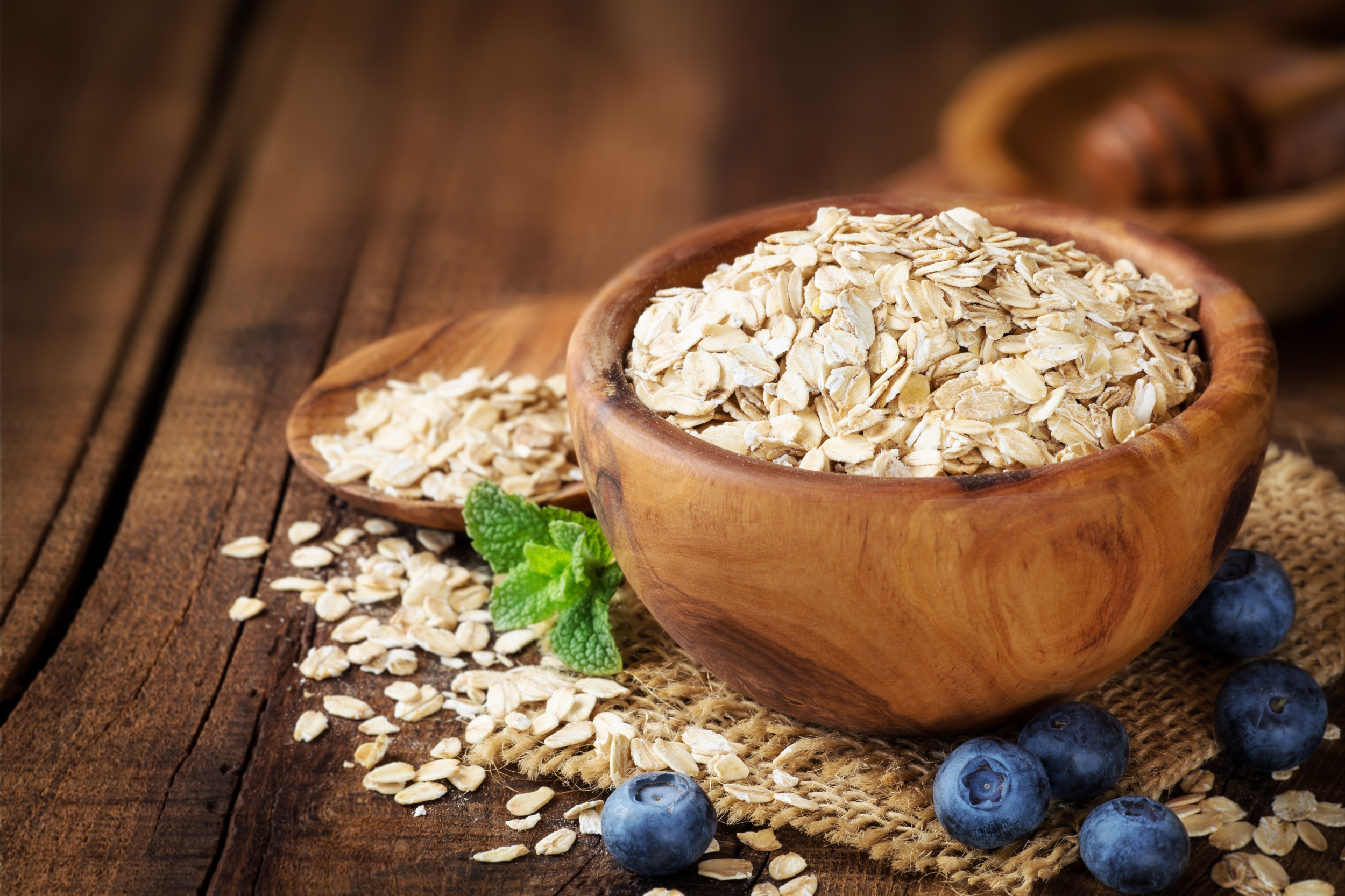
Photo Credit: "© [kuvona] / Adobe Stock
Oats are a brilliant source of soluble fibre that supports beneficial bacteria and creates a soothing effect in the digestive system. Oats are rich in beta-glucan, a fibre that feeds the good bacteria in your gut microbiome and helps them thrive. The result is a healthier gut lining and more balanced digestion overall.
Read more: Oat Bran vs Oats: Which Is Better?
Apples and pears
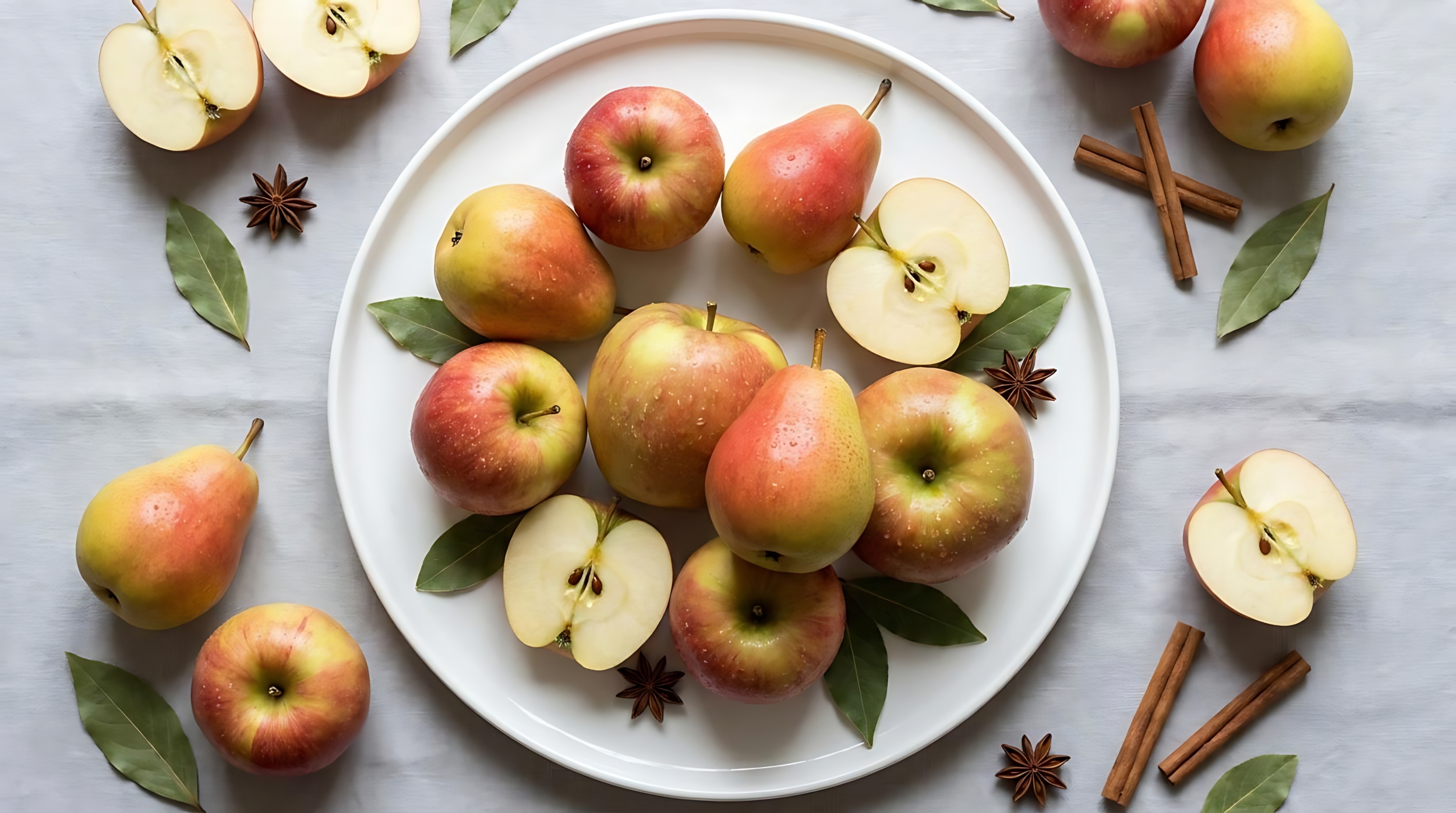
Photo Credit: "© [Piyol] / Adobe Stock
Apples and pears are naturally rich in pectin, a type of soluble fibre that plays an important role in supporting gut health. Pectin acts as a food source for beneficial gut bacteria to maintain a healthy balance within the microbiome. As pectin ferments in the gut, it can also support the production of compounds that help nourish the gut lining.
Recipe idea: Apple, Cranberry & Walnut Quinoa Salad
Bananas

Photo Credit: "© [sherstobitov] / Adobe Stock
Bananas contain resistant starch that acts as food for gut microbes. The starch reaches the large intestine undigested, where it is fermented by bacteria. The process produces compounds that support better gut health.
Top tip: Including bananas at different stages of ripeness naturally supports gut diversity even more by providing varying effects.
Recipe: Banana & Pecan Muffins (Vegan)
Vegetables
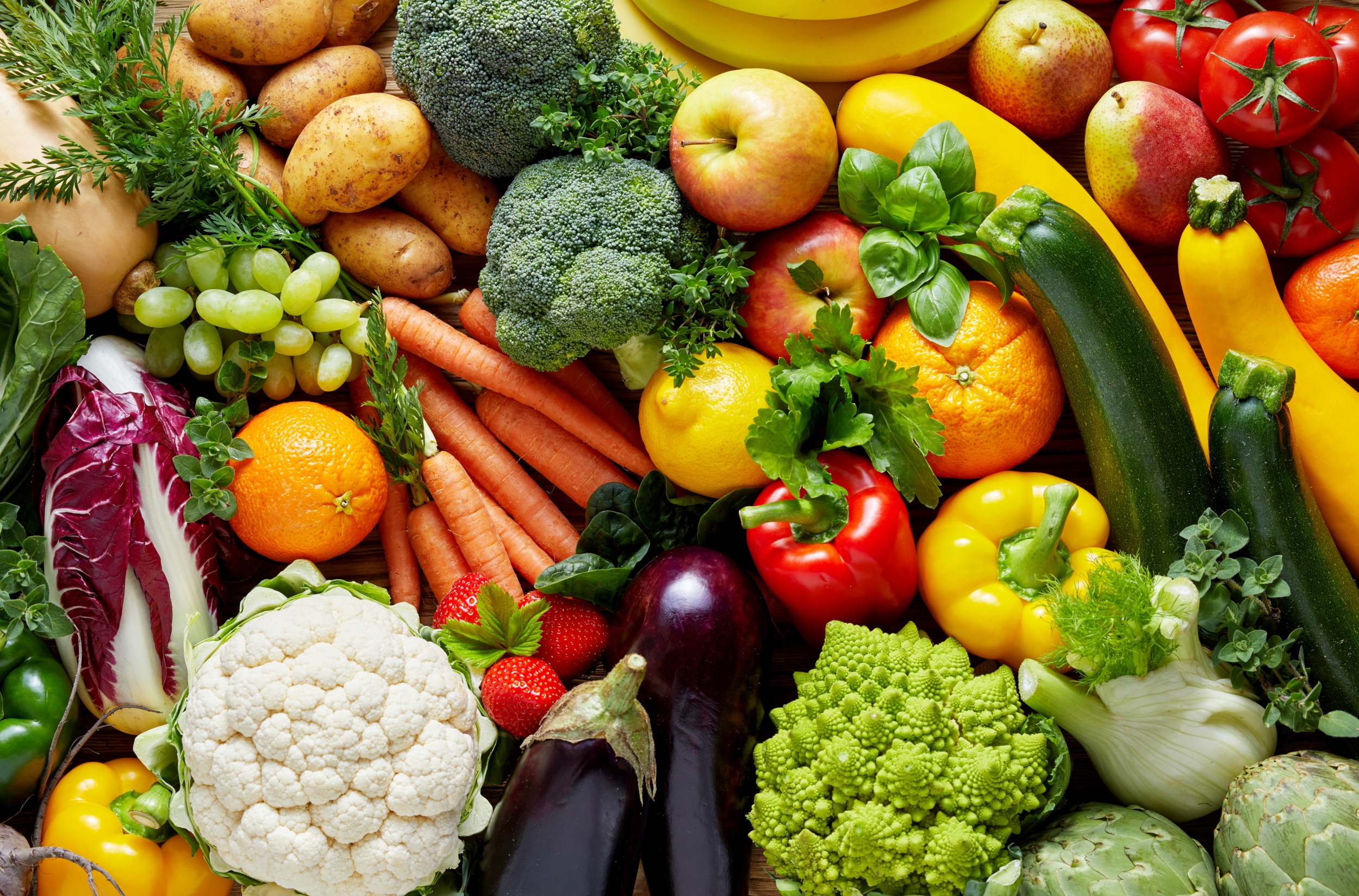
Photo Credit: "© [exclusive-design] / Adobe Stock
Broccoli, carrots, spinach, sweet potatoes, and cauliflower all provide a mix of soluble and insoluble fibre that helps support a healthy, diverse gut microbiome. These fibres act as fuel for beneficial bacteria for a resilient digestive ecosystem.
Add roasted vegetables or a side of spinach and kale to your meals. Vegetable and fruit smoothies are also a good option. Include a pinch of superfood, like Organic Chlorella Powder, for even more health benefits.
Beans and lentils
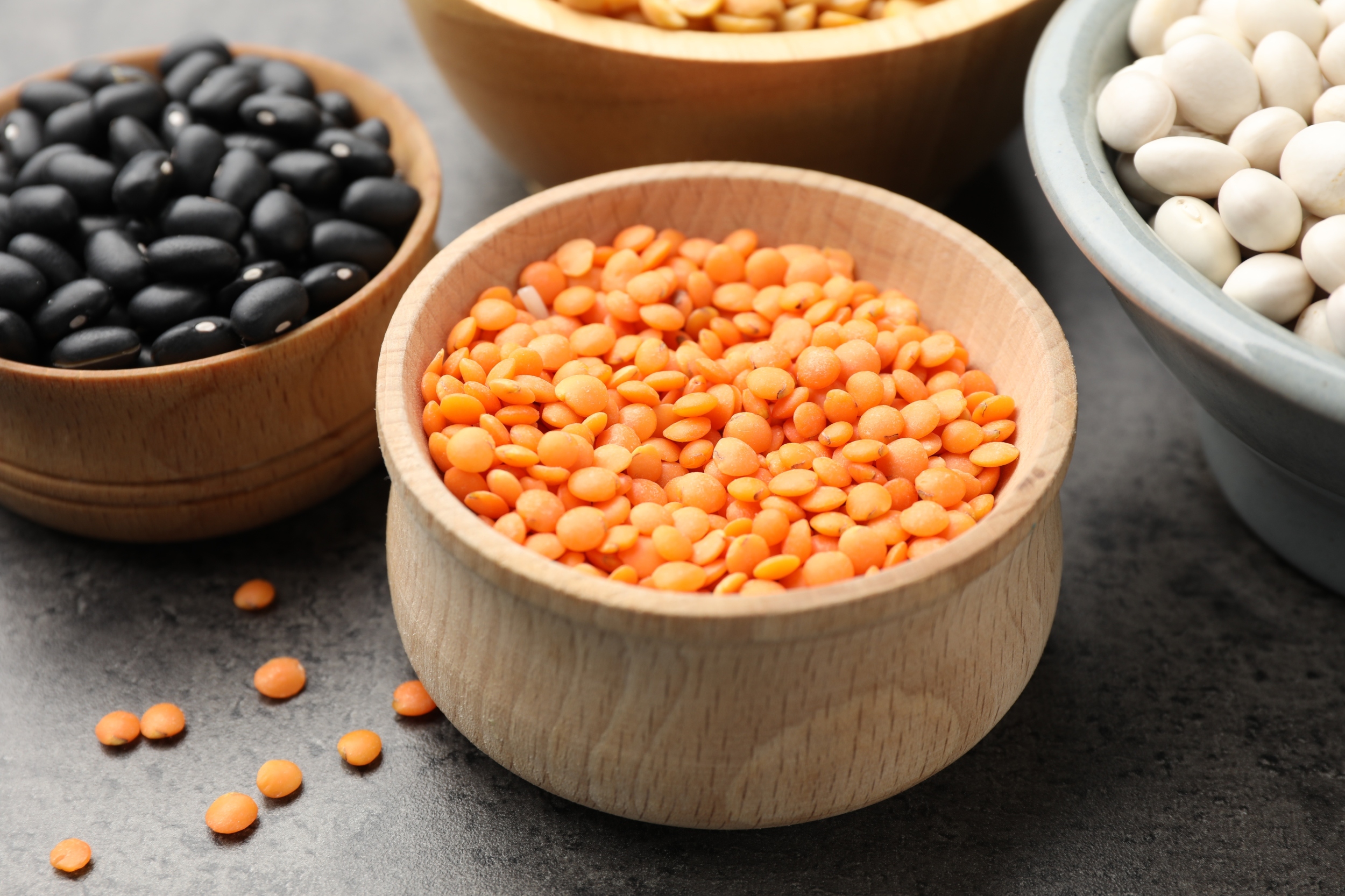
Photo Credit: "© [New Africa] / Adobe Stock
Beans and lentils are particularly rich in fermentable fibre, making them an excellent food source for a healthy microbiome. The fibre is broken down in the large intestine, producing short-chain fatty acids for healthy digestion.
Read more: 10 Top Benefits Of Organic Red Lentils
Nuts and seeds
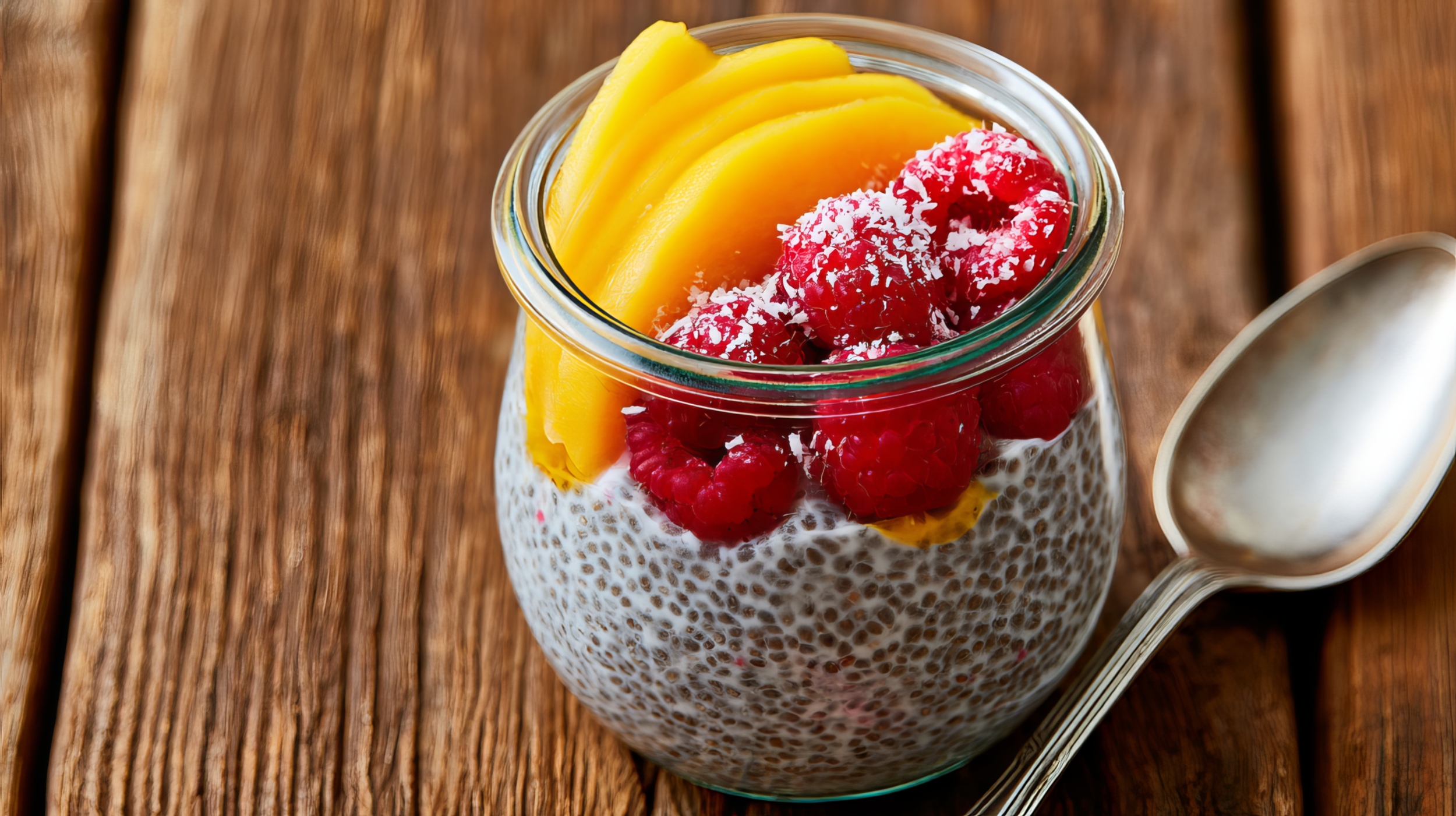
Photo Credit: "© [Mitchell] / Adobe Stock
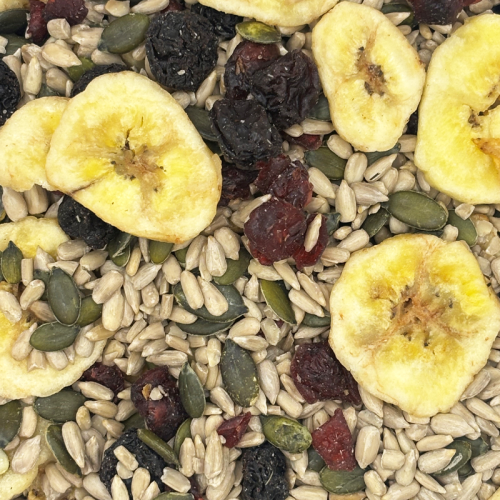
Chia seeds, flaxseeds, almonds, and walnuts all provide a valuable combination of fibre. They feed beneficial gut bacteria, encouraging a more balanced and diverse microbiome. As this fibre is broken down in the large intestine, it also helps produce compounds that maintain a healthy gut lining and easy digestion.
Read more: Lentil & Walnut Burgers
Supporting your gut beyond fibre
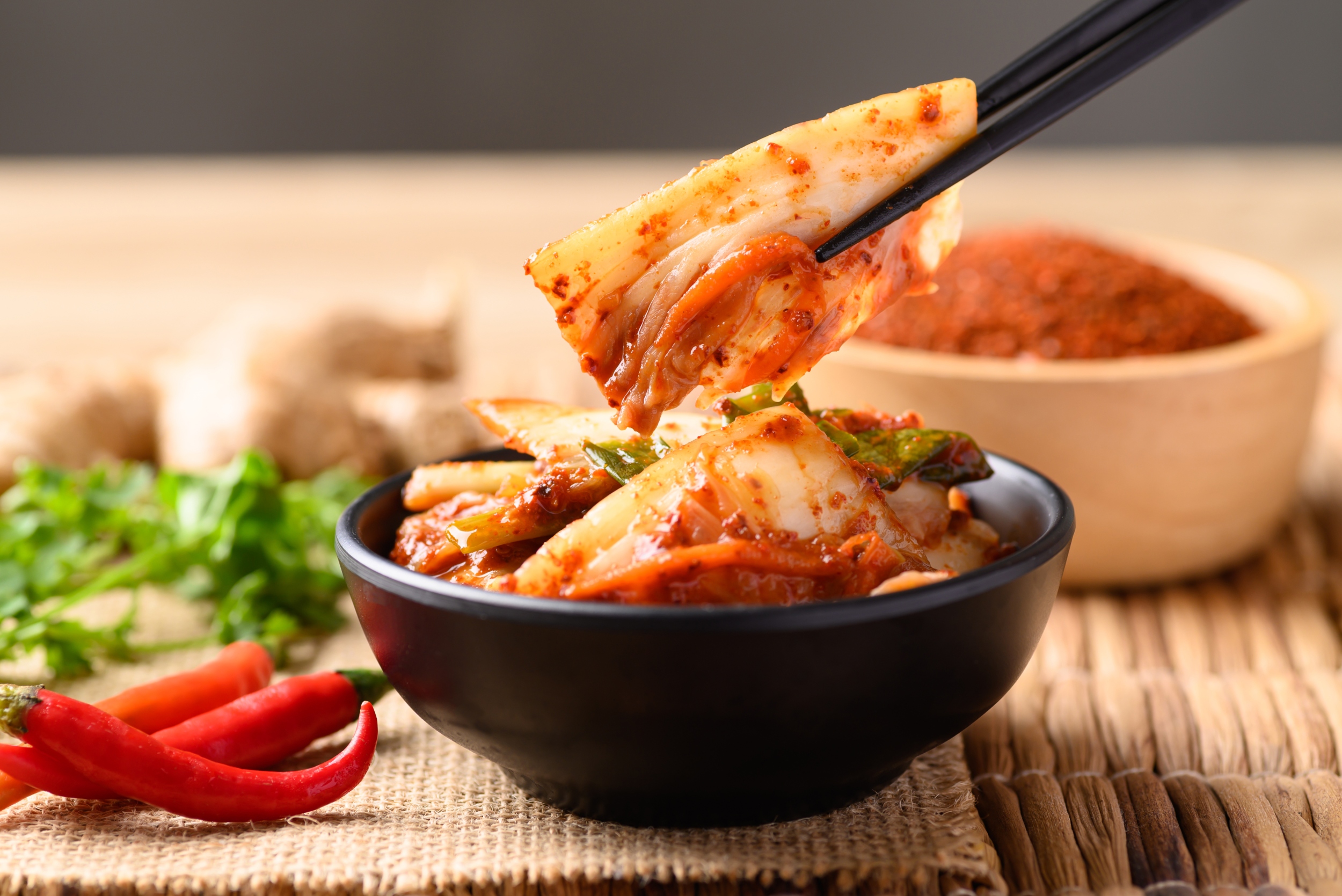
Photo Credit: "© [nungning20] / Adobe Stock
While fibre is essential, it works best as part of a wider approach to gut health.
Hydration
Hydration is especially important. Fibre absorbs water as it moves through the digestive system, helping it do its job properly. Without enough fluid, digestion can feel sluggish. Simple habits like drinking water regularly throughout the day can make a noticeable difference.
Top tip: Boost your hydration with electrolytes.
Gentle movement
Gentle movement, like walking or yoga supports your natural digestive rhythm and helps keep things moving comfortably through the gut. It stimulates the digestive tract, encouraging regular bowel movements.
Probiotic foods
Probiotic foods contain live beneficial bacteria that help support a healthy gut microbiome. These include foods like kefir, sauerkraut, kimchi, and other naturally fermented vegetables. Your microbiome fluctuates daily, so eat probiotic foods 3-4 times a week, or daily, to get the full digestive benefits.
How to increase fibre without upsetting your gut
Your gut prefers gradual change. Instead of overhauling your diet overnight, try small, steady additions. These steps help your gut bacteria adjust and thrive without overwhelming your digestive system.
- Add fruit to breakfast.
- Include vegetables at every meal.
- Swap refined grains for whole grains
- Add beans or lentils to meals a few times a week.
- Choose nuts or seeds as snacks.
If your gut is happy, you’re happy
When your gut microbiome is well supported, everything tends to feel a little more balanced. Digestion becomes more predictable, meals feel more comfortable, and your body can function more smoothly overall.
Nothing is more distracting and uncomfortable than an upset gut. And nothing makes you feel more energised and uplifted than a well-balanced, smooth digestive system. Stock up on gut-loving foods today with Grape Tree and start your digestive health journey.