
Photo Credit: "© [miss irine] / Adobe Stock
If you want to build a balanced, nourishing way of eating, then learning how to combine fibre and protein is one of the simplest yet most effective changes you can make. They work hand in hand to support digestion, energy levels, and overall well-being, but they’re often consumed separately or overlooked altogether. By bringing fibre and protein together in your meals, you can create a more satisfying, steady approach to eating that keeps you feeling full for longer.
Read on for a rundown of the benefits you receive by combining fibre and protein, the best types to choose, some recipe ideas, and mistakes to avoid.
Why combine fibre and protein?
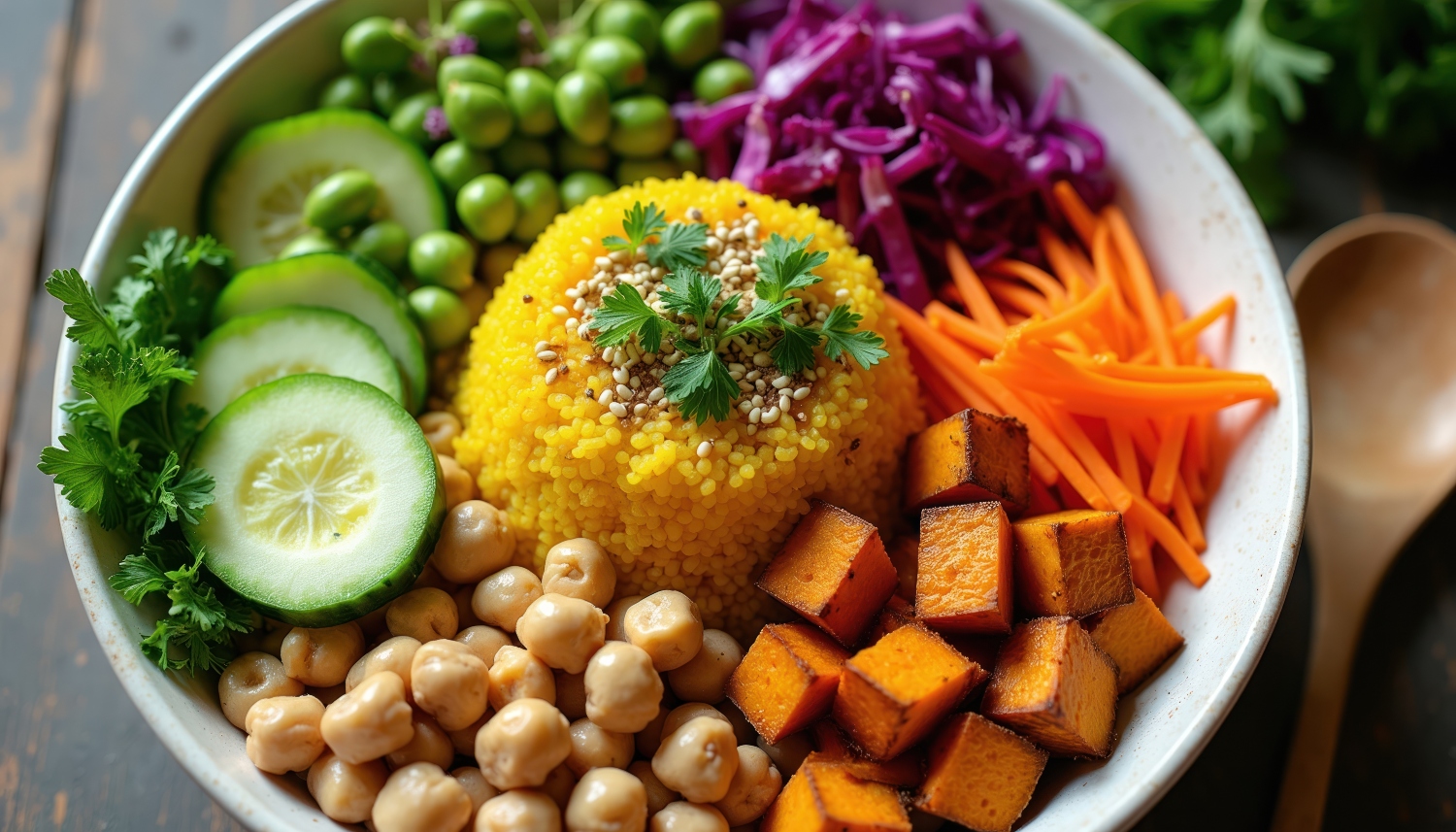
Fibre and protein each play a powerful role in the body, but their benefits are amplified when eaten together. Fibre helps slow down digestion, contributing to gut health and regulating blood sugar levels. Protein, on the other hand, supports muscle repair, hormone production, and satiety.
When you combine fibre and protein, you create meals that digest more slowly, helping to prevent energy spikes and crashes. That means you’re less likely to reach for sugary snacks later in the day, making it a key strategy for sustained energy and appetite control.
The benefits of fibre and protein together
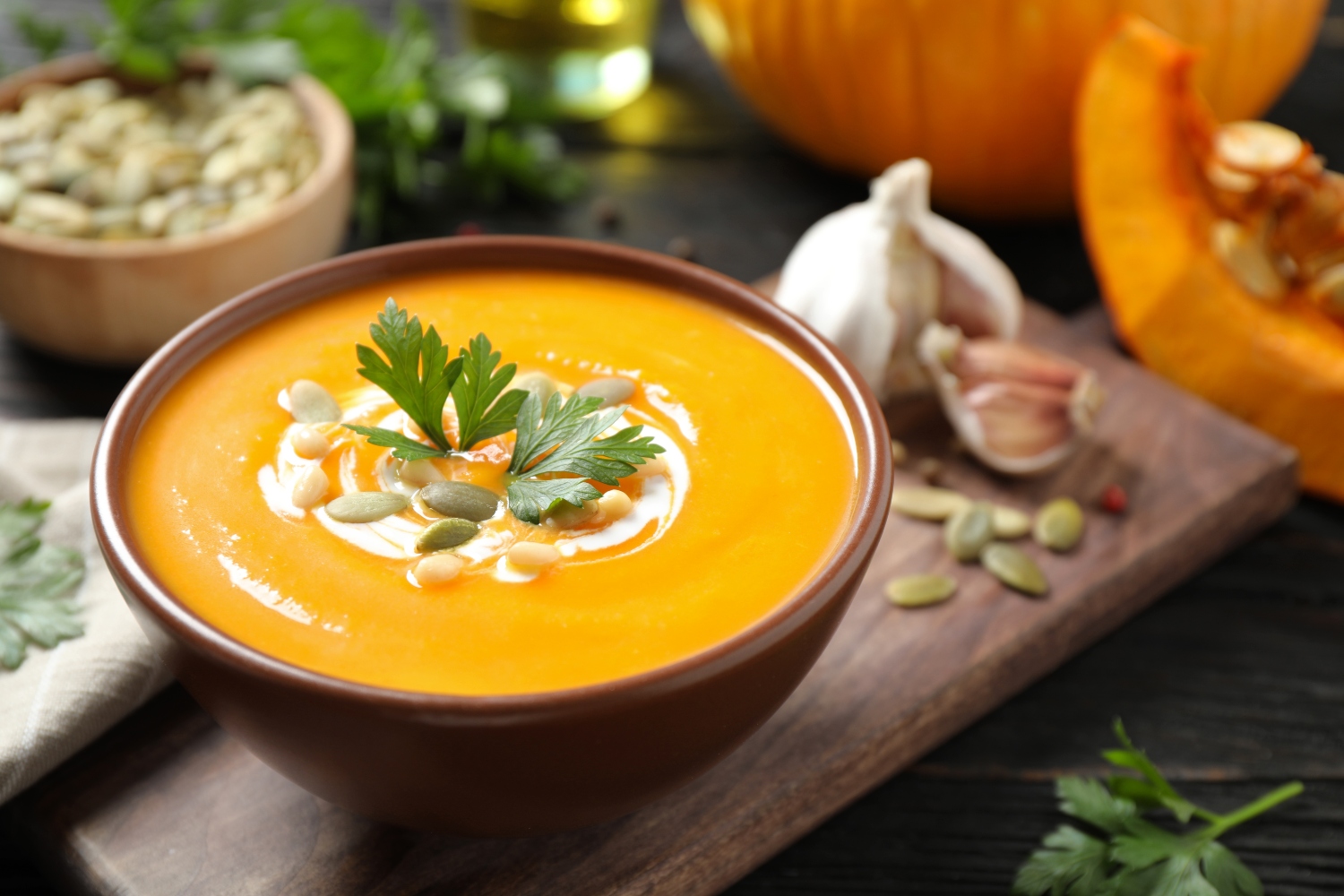
Photo Credit: "© [New Africa] / Adobe Stock
- Longer-lasting fullness - Protein promotes satiety, while fibre adds bulk, helping you feel satisfied after meals.
- Balanced blood sugar: Fibre slows the absorption of carbohydrates, while protein reduces spikes in glucose levels.
- Steady energy levels: Meals that combine fibre and protein release energy gradually, helping you avoid mid-afternoon slumps.
- Improved digestion: Fibre supports a healthy gut, and when paired with protein-rich whole foods, it encourages better nutrient absorption.
Tip: If you want to supercharge your gut health, we recommend adding gut-enhancing foods, like sauerkraut and kimchi.
Best sources of fibre and protein
To effectively combine fibre and protein, it’s important to know where to find them. When you focus on a plant-based diet, fibre and protein often overlap, making it easy to get both at once!
High-fibre foods
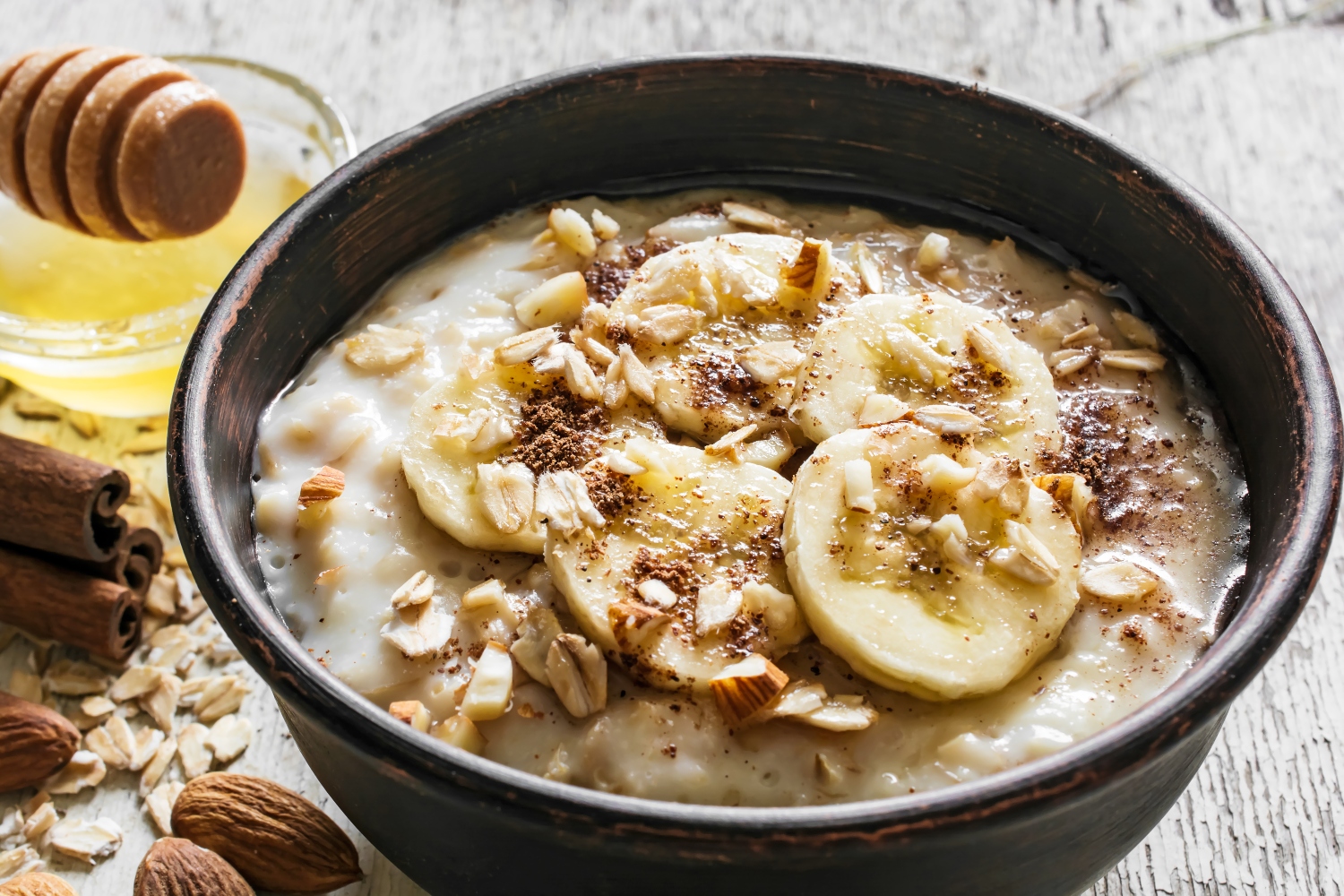
Photo Credit: "© [samael334] / Adobe Stock
- Oats
- Quinoa
- Lentils
- Chickpeas
- Nuts
- Seeds
- Fruits
Protein-rich foods (plant-based options)
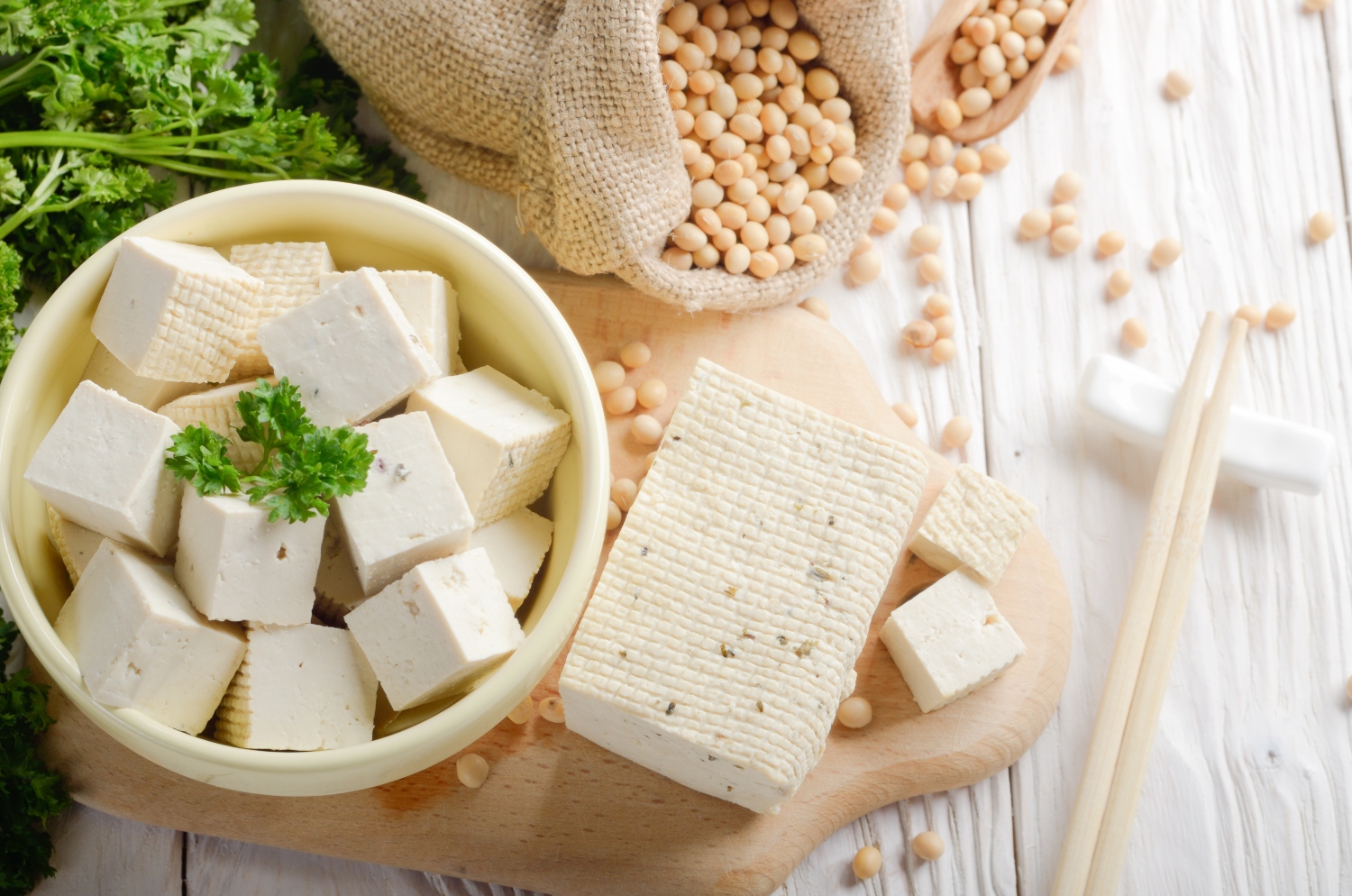
Photo Credit: "© [Mikhailov Studio] / Adobe Stock
- Tofu
- Tempeh
- Legumes
- Nuts
- Seeds
Read more: The Best Plant-Based Protein Tips For Vegans
Easy ways to combine fibre and protein
Incorporating fibre and protein into your meals doesn’t have to be complicated. With a few simple swaps and combinations, you can upgrade your everyday meals.
- Start with breakfast - Switch sugary cereals for oats or bran (high in fibre) topped with nuts and seeds. You can also mix in protein powder for an added boost.
- Build balanced lunches - Legumes for lunch are a great option, because they combine fibre and protein in one. Try things like quinoa salads or lentil soup.
- Upgrade your snacks - Instead of reaching for processed snacks, opt for apple slices (fibre) with peanut butter (protein) or a tasty trail mix.
- Rethink dinner plates - Structure your meals around a protein source, then add fibre-rich sides. For example, tempeh with fresh veg.
- Add seeds and nuts - Include nuts and seeds in basically everything! Chia seeds, flaxseeds, and almonds are easy additions to smoothies, porridge, and yoghurt.
Read more: How To Hit Your Vegan Protein Intake.
Fibre and protein recipes
We’ve put together a range of fibre and protein recipes designed to be both delicious and easy to make. Each one is flexible, so you can swap ingredients and tailor them to suit your tastes or whatever you have on hand.
Breakfast
Lunch
Dinner
Dessert
Snacks
How much fibre and protein do you need?
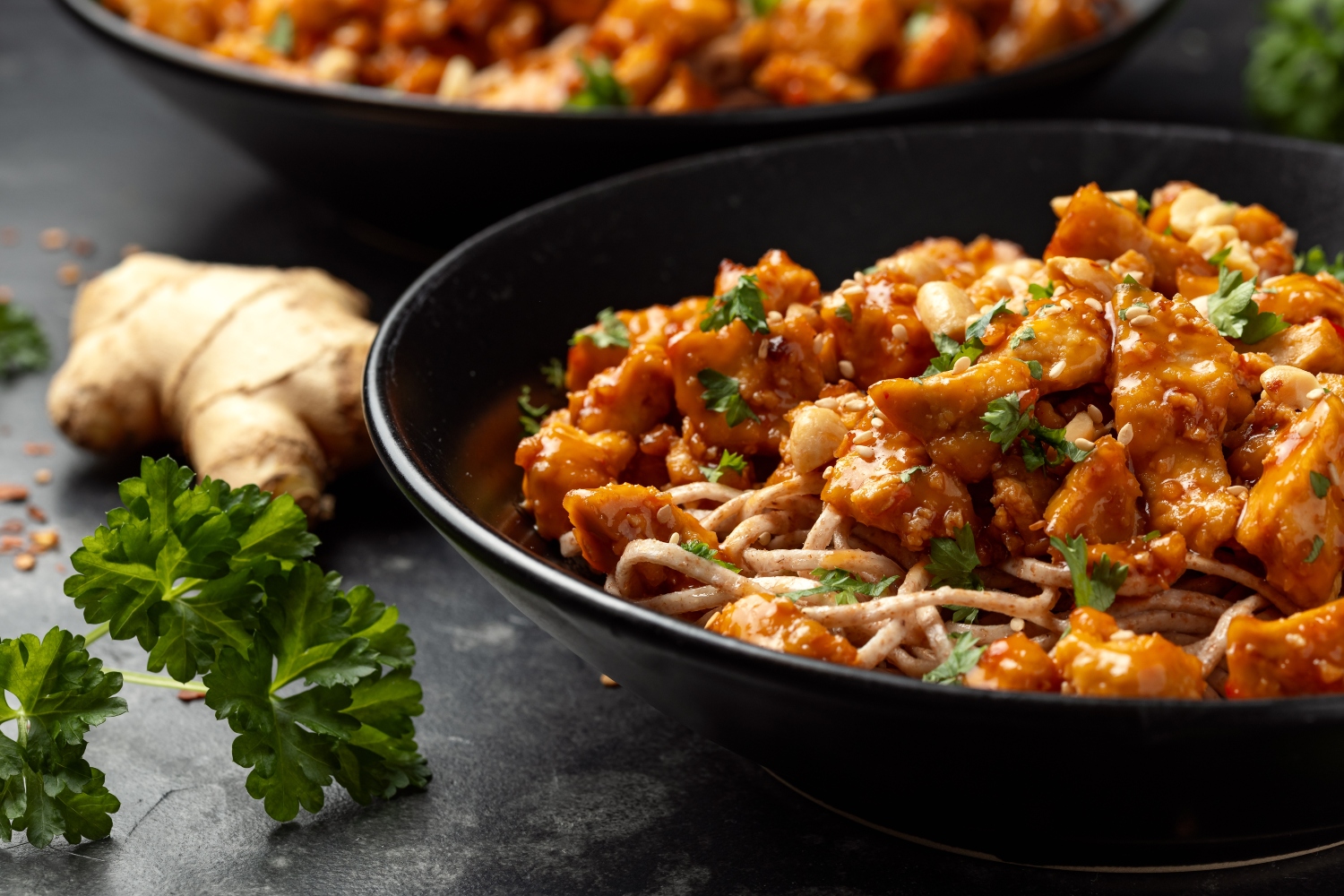
Photo Credit: "© [grinchh] / Adobe Stock
How much fibre and protein people need varies, but a general guideline can help you stay on track. Adults are typically advised to consume around 25 - 30 grams of fibre per day, and protein intake is based on body weight. For example, if you weigh 65kg, you’ll want to eat 65 grams of protein. But if you have a high activity level or want to build muscle, you’ll need to eat more.
If that feels a bit overwhelming, aim to include a source of both fibre and protein in every meal to avoid overcomplicating things.
Read more: How Much Protein Do You Need A Day?
Common mistakes to avoid
When learning how to combine fibre and protein, there are a few pitfalls to watch out for:
- Relying on processed foods - Many “high-protein” or “high-fibre” products, like energy bars, are heavily processed and may contain added sugars or artificial ingredients. You can use them as a boost before a workout, but don’t rely on them too heavily.
- Not drinking enough water - Fibre needs water to function properly, so staying hydrated is essential. Adults need to drink roughly 2-2.5 litres a day (and more if you exercise).
- Overcomplicating meals - Balanced eating doesn’t need to be complex, and simple combinations are often the most effective
- Ignoring portion balance - Too much of one and not enough of the other can reduce the overall benefits.
Combining protein & fibre doesn’t have to be complicated
Learning how to combine fibre and protein is a simple yet powerful way to improve your diet. By pairing these nutrients in your meals, you can support digestion, maintain steady energy levels, and feel more satisfied throughout the day.
Whether it’s starting your morning with a balanced breakfast, upgrading your snacks, or building more thoughtful meals, small changes can make a big difference. Focus on whole, nutrient-dense foods, keep things simple, and aim for consistency!