Photo Credit: "© [StockPhotoPro] / Adobe Stock
GLP-1 has become a major talking point in the world of health and nutrition. However, it’s not just prescription medications getting attention. There’s growing interest in natural GLP-1 supplements and whether certain ingredients encourage the body’s own GLP-1 response.
But can supplements really increase GLP-1 naturally, and what does the research say? We’re exploring some of the most talked-about supplements that increase GLP-1 and exploring the research behind these potential natural GLP-1 boosters.
What is GLP-1?
GLP-1, or glucagon-like peptide-1, is a hormone your body makes naturally. It’s released by cells in your gut when you eat. It’s often associated with weight management by signaling to the brain feelings of fullness and satisfaction. However, it has other essential roles in the body.
GLP-1 helps with blood sugar regulation by encouraging insulin release when blood glucose rises. It also slows the movement of food through the stomach to support digestion, which can reduce cramps and bloating.
GLP-1 supplements vs GLP-1 medication
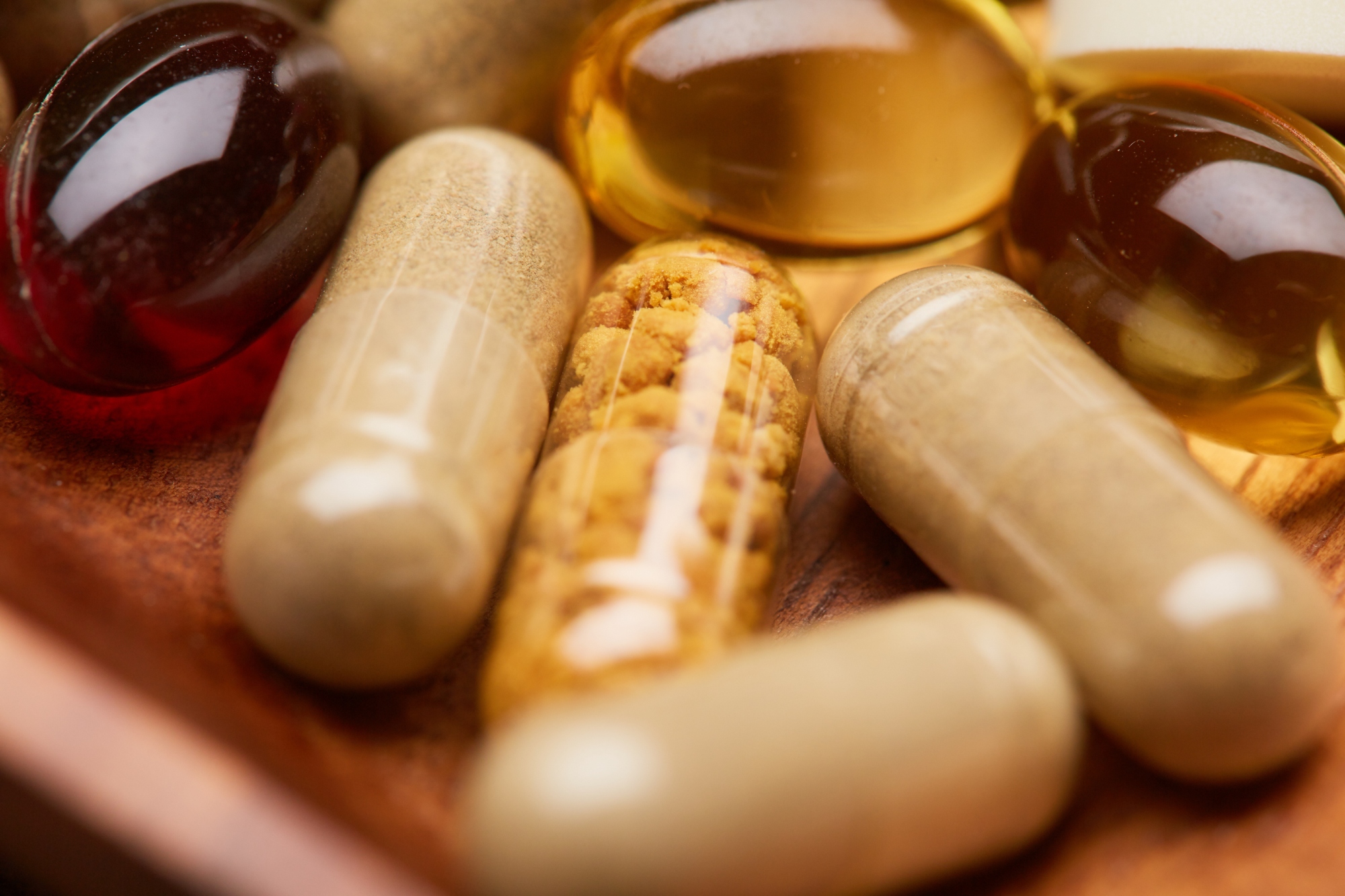
Photo Credit: "© [photoniko] / Adobe Stock
Researchers are exploring whether GLP-1 supplements influence how much of the hormone is released and how long it remains active. But it’s worth bearing in mind that the research is still developing, and supplements shouldn't be confused with prescription treatments.
GLP-1 medications are specifically designed to mimic or enhance the effects of the hormone. They have a stronger and longer-lasting effect than food or supplements. However, you might not like taking medication or don’t want the potential negative side effects. So, natural supplements for GLP-1 are a better option.
Natural GLP-1 supplements: What to know
With an increasing interest in natural ways to increase GLP-1, multiple supplements are being researched for their potential effects on GLP-1 release and activity. From herbs and fibre to probiotics, some GLP-1 boosting supplements show promising results.
If you’re wondering about the best GLP-1 supplements or which supplements for GLP-1 are worth considering, here’s a closer look at what the research says.
Ginseng
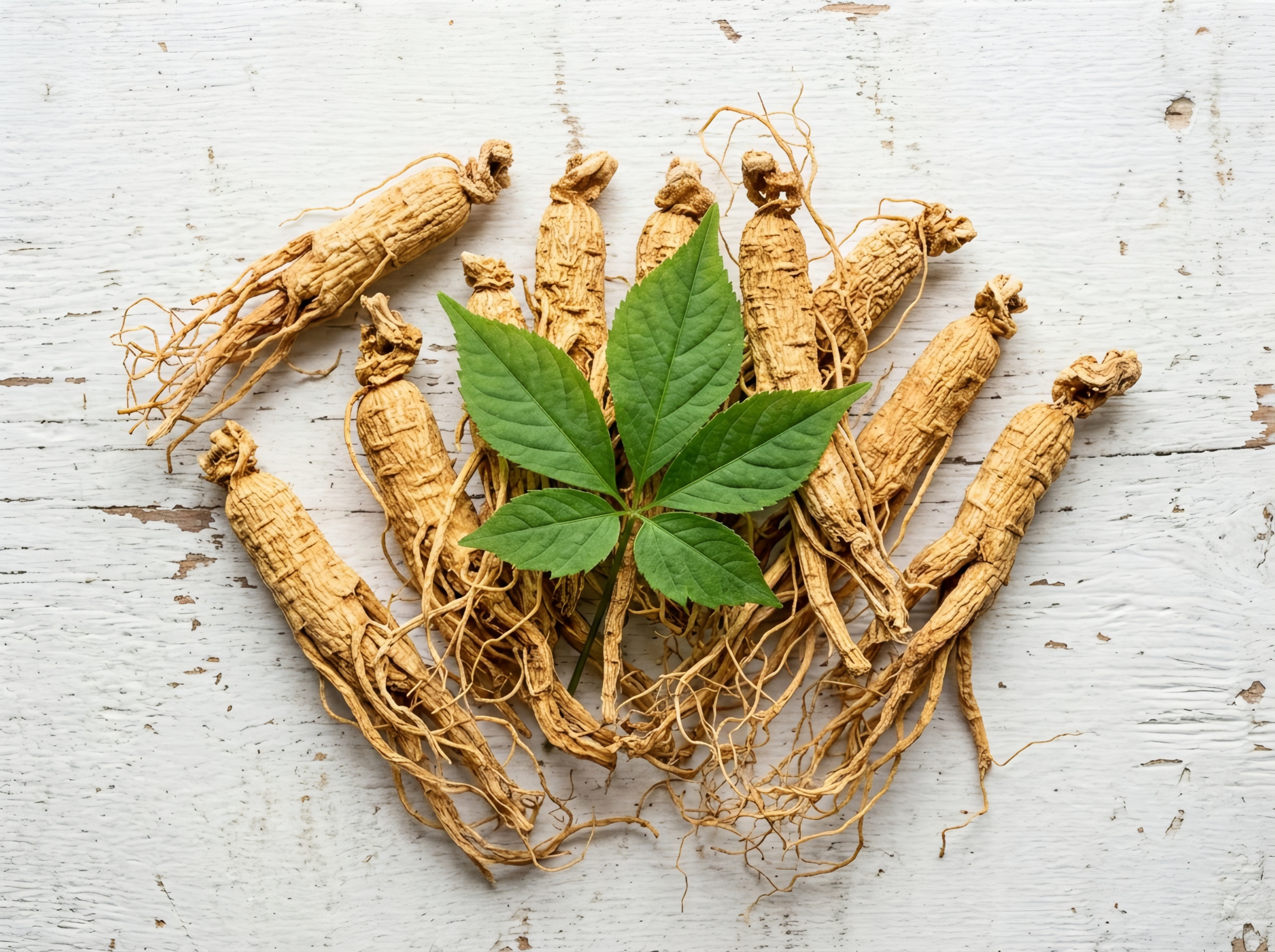
Photo Credit: "© [fayshal] / Adobe Stock
Ginseng contains natural compounds called ginsenosides, which have been studied for their potential effects on blood sugar. In a 2013 study, researchers wanted to find out whether these benefits could be linked to GLP-1.
They gave ginseng extracts to diabetic rats and found that they increased GLP-1 release and improved high blood sugar and blood fat levels. They also tested ginseng compounds on human intestinal cells and discovered that both ginseng extract and ginsenoside Rb1 encouraged cells to release more GLP-1.
These findings suggest that ginsenosides may influence GLP-1 release, although more research in humans is needed. This makes ginseng a good starting point for natural GLP-1 support.
Psyllium husk
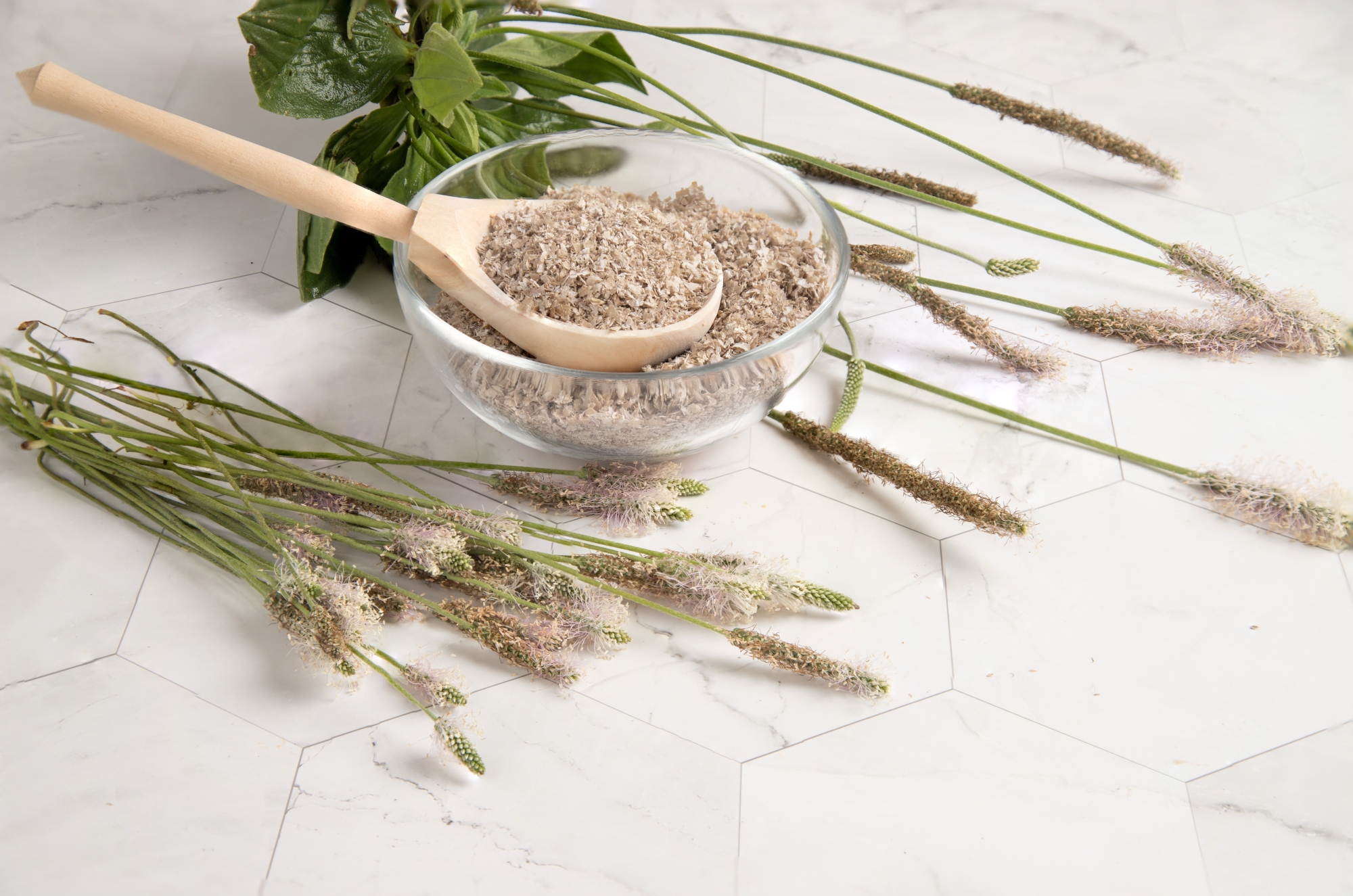
Photo Credit: "© [iritetereva] / Adobe Stock
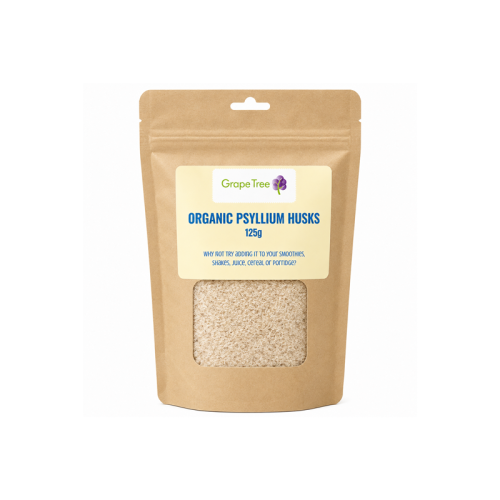
One of the main reasons people are interested in GLP-1 is its role in appetite regulation and weight management. A 2016 study investigated whether psyllium husk could help people feel fuller and less hungry between meals.
Participants taking psyllium generally experienced less hunger and less desire to eat. They also had greater feelings of fullness compared with those taking a placebo. Feeling satisfied is also one of the key effects of GLP-1, so it’s possible that some of psyllium’s effects on fullness could be linked to GLP-1.
Its high fibre content can also help you feel satisfied for longer. So, psyllium is a good option if you’re looking for natural GLP-1 support. However, more research is needed to understand whether psyllium can directly increase GLP-1.
Curcumin
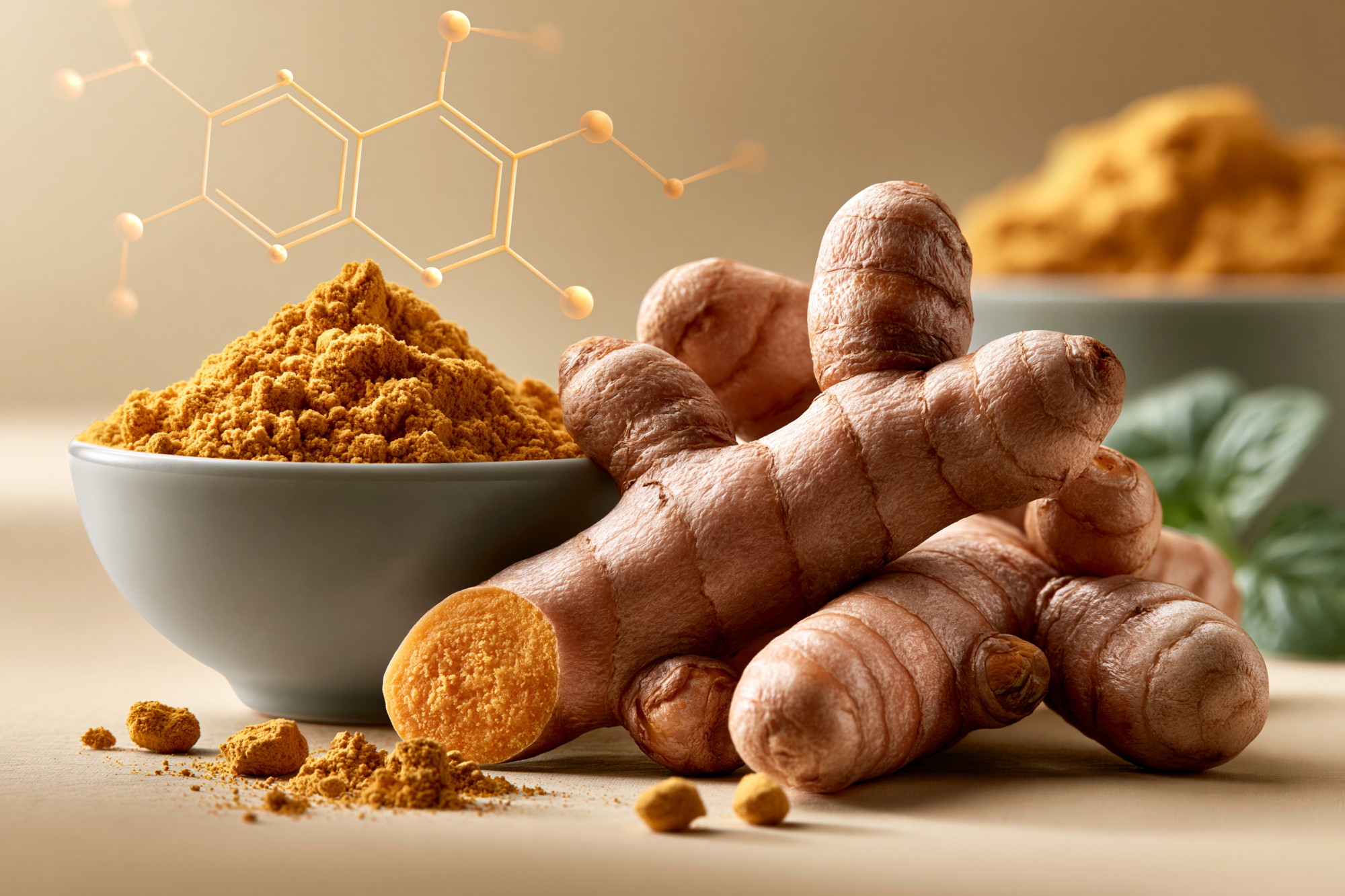
Photo Credit: "© [Benjaporn] / Adobe Stock
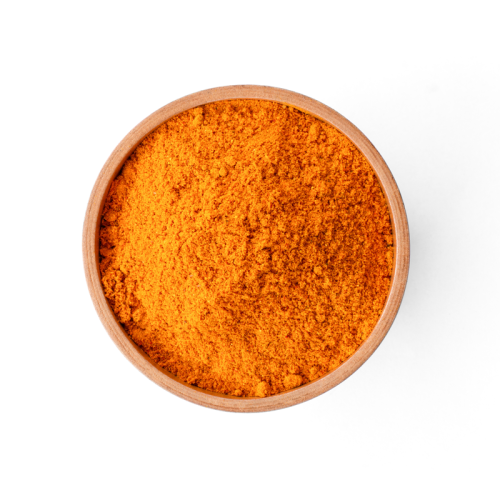
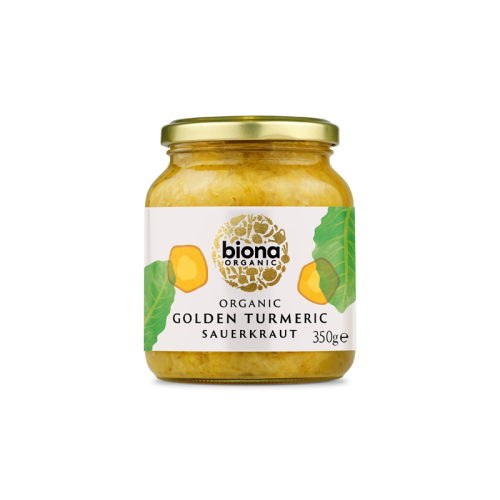
Curcumin, the active compound found in turmeric, is another potential natural GLP-1 booster. 2019 research tested curcumin on mouse intestinal cells that produce GLP-1 and found that curcumin increased GLP-1 release. Higher amounts of curcumin produced a stronger response.
Interestingly, curcumin naturally breaks down in the body into other compounds, and some of these breakdown products also increase GLP-1 release. Researchers from the study believe that these compounds may also contribute to some of curcumin’s effects on blood sugar.
Read more: Turmeric vs Ginger: Which Is Better?
Probiotics

Photo Credit: "© [nungning20] / Adobe Stock
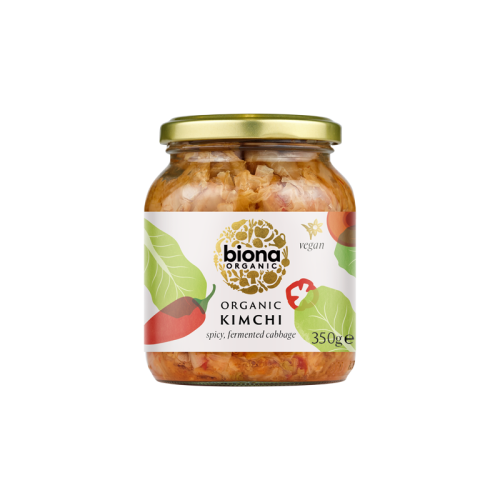
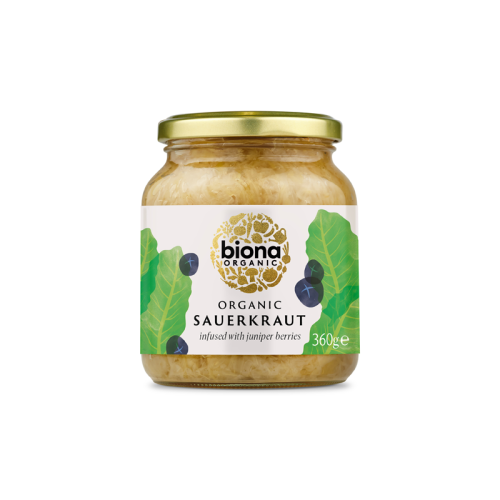
Probiotics are live beneficial bacteria that support a healthy balance of microorganisms in your gut. Probiotics are interesting when it comes to GLP-1 hormone supplements because of the potential connection between the gut microbiome and GLP-1 release.
A 2025 study looked at different probiotic strains to see whether they could encourage the body to release GLP-1. It shows that a specific strain called Lactiplantibacillus plantarum GB104 increased GLP-1 release from human intestinal cells.
Researchers then tested the probiotic in mice fed a high-fat diet. The mice given GB104 gained less weight, had better blood sugar levels, and higher levels of GLP-1 in their blood. The probiotic also appeared to reduce fat build-up and inflammation in the liver and fatty tissues.
The results suggest that certain probiotic strains may influence GLP-1 release. This could have benefits for metabolic health for GLP-1 and appetite regulation, making probiotics potential supplements that support GLP-1.
Shop probiotics below:
The takeaway on natural GLP-1 supplements
The research into supplements that increase GLP-1 is still in its early stages, but there are some encouraging findings.
Ginseng, psyllium husk, curcumin, and probiotics all offer interesting possibilities for supporting the body’s natural GLP-1 response and are great choices to support GLP-1 production. The added bonus? They also contain a wealth of other nutritional benefits to live a healthy lifestyle.
FAQs about Natural GLP-1 Supplements
1. What supplements naturally increase GLP-1?
Ginseng, psyllium husk, curcumin, and certain probiotics have been studied for their potential to support GLP-1 release.
2. What is the best natural GLP-1 supplement?
There isn’t currently enough evidence to say which supplement is best for increasing GLP-1. Different ingredients may work in different ways, so it’s worth considering their wider nutritional benefits too. However, ginseng, psyllium husk, curcumin, and probiotics are a good starting point.
3. How can I increase GLP-1 naturally?
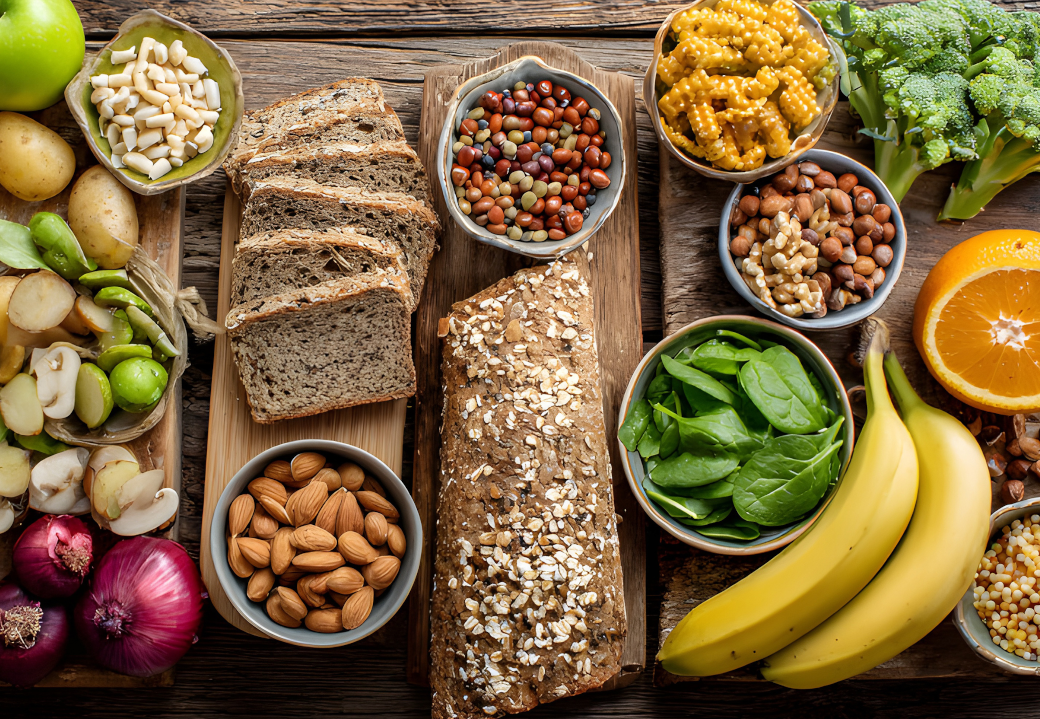
Potential GLP-1 boosting supplements and a balanced diet can support your body’s natural GLP-1 response. Regular physical activity and a healthy lifestyle may also help support GLP-1 and overall metabolic health.