Photo Credit: "© [Harry] / Adobe Stock
You may have heard of GLP-1. But what is it and can the foods you eat really make a difference? The short answer? Yes! Keep reading for our top vegan foods that increase GLP-1 naturally, from fibre-rich foods to plant-based sources of protein and healthy fats. You’ll also get a quick overview about how the foods work and easy vegan GLP-1 recipes you can make for breakfast, lunch, and dinner. Let’s get to it.
What is GLP-1?
GLP-1, short for glucagon-like peptide-1, is a hormone your body naturally produces. It’s mainly released by your gut after you eat, helping your body respond to the food you’ve consumed.
GLP-1 has several important roles, including:
- Appetite and fullness: GLP-1 can help you feel fuller and more satisfied after eating by sending signals to the brain and slowing digestion.
- Blood sugar regulation: It helps the body respond to rising blood sugar levels after a meal.
- Insulin release: GLP-1 encourages the pancreas to release insulin when blood glucose levels increase.
- Digestion: It can slow the movement of food through the stomach, helping regulate digestion and nutrient absorption.
GLP-1 and food
The amount of GLP-1 your body releases varies depending on what you eat. Plant protein, healthy fats, and certain types of fibre can all influence GLP-1 release. That means a balanced meal has a very different effect than a highly processed, low-fibre meal.
The science behind GLP-1 and food

Photo Credit: "© [Chanelle Malambo/peopleimages.com] / Adobe Stock
So, what’s the science? As a quick overview, research and reviews suggest there are specific proteins that keep GLP-1 active for longer. They do that by slowing down the action of an enzyme called DPP-4, which normally breaks GLP-1 down. The result is improved metabolic health, which is connected to weight management.
However, research into plant protein and GLP-1 is still developing and we need more studies to understand exactly how different plant proteins may affect GLP-1.
Read more: What Is Metabolic Health?
Can food increase GLP-1 naturally?
Photo Credit: "© [MDAbdus] / Adobe Stock
Yes, the food you eat can influence your body’s natural release of GLP-1. When food reaches your digestive system, nutrients trigger specialised gut cells to release GLP-1.
There’s no single food that will dramatically increase GLP-1 levels, but balanced meals containing plant protein, fibre, and healthy fats support your natural GLP-1 response. So, aim for a varied vegan GLP-1 diet, rather than relying on one particular ingredient.
How GLP-1 medications work differently from food
You may have heard GLP-1 mentioned alongside medications such as semaglutide. These medicines mimic or enhance the effects of GLP-1 and produce a much stronger, longer-lasting effect than food. While vegan GLP-1 foods may encourage your body’s natural GLP-1 response, they don’t work in the same way as GLP-1 medications.
That doesn’t mean there isn’t value in including certain foods in your diet. Think of them as one part of contributing to GLP-1 and balanced nutrition.
Are protein, fibre, and healthy fats as effective as GLP-1 medications?
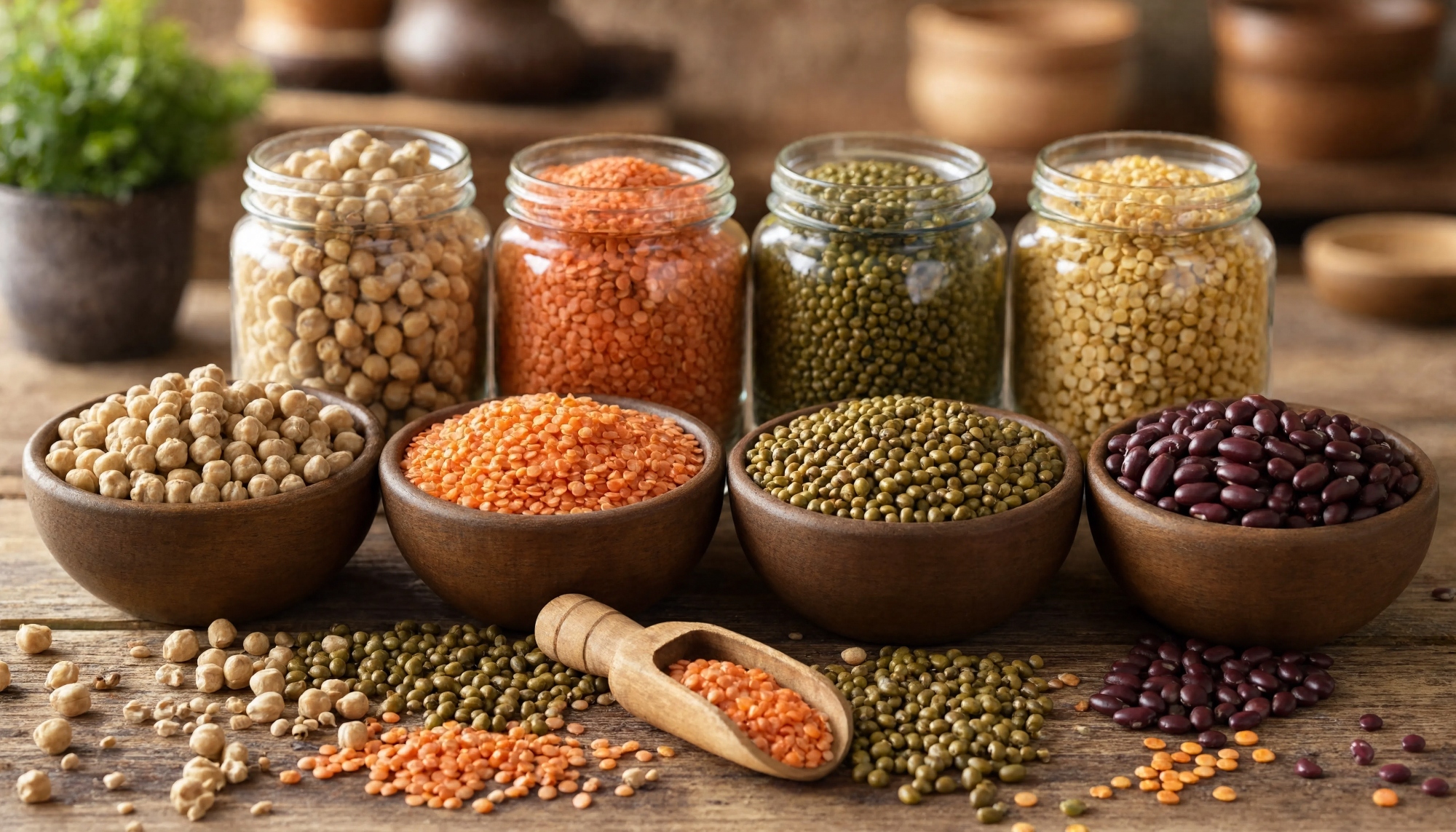
Photo Credit: "© [SerPak] / Adobe Stock
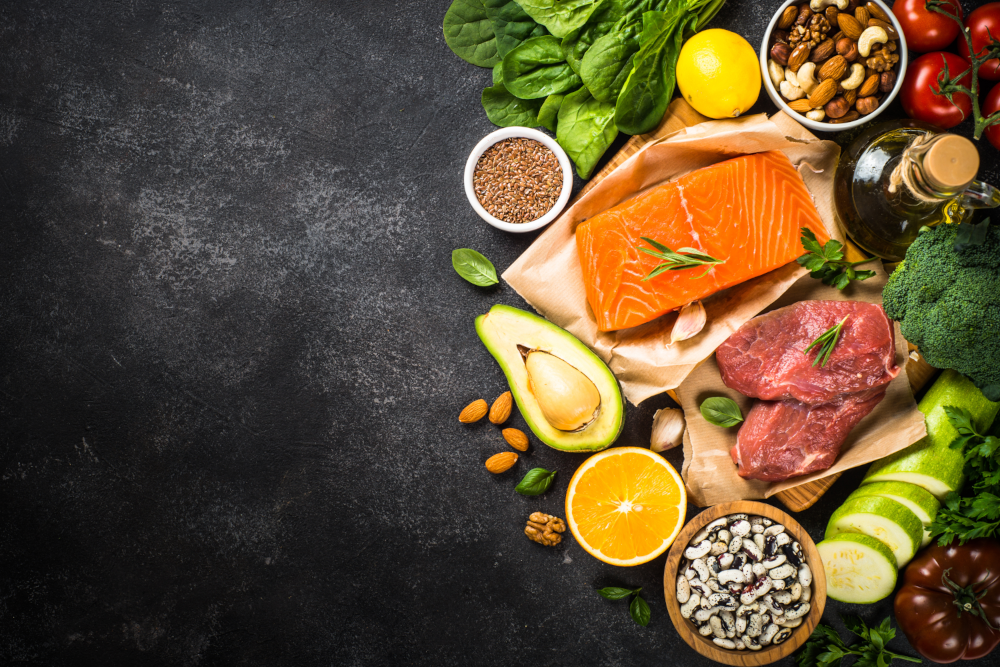
Combining protein, fibre, and healthy fats can create a more balanced and satisfying eating pattern, and may have a stronger effect on GLP-1. This is especially true when comparing these nutrients to highly processed meals that are low in protein and fibre.
Read more: What whole foods are high in protein?
However, it’s important to keep expectations realistic. Food can support your body’s natural GLP-1 response, but it cannot replicate the effects of prescription GLP-1 medications. This is because medications are designed to mimic or enhance the hormone’s effects.
But, if you prefer increasing GLP-1 naturally and want to avoid the side effects of GLP-1 medications, then specific foods are the perfect option.
Vegan foods that may support natural GLP-1 release
While no single food can dramatically increase GLP-1 levels, certain nutrients can encourage its natural release. The following plant-based GLP-1 foods provide fibre, plant protein, and/or healthy fats, making them useful additions to balanced meals.
Oats
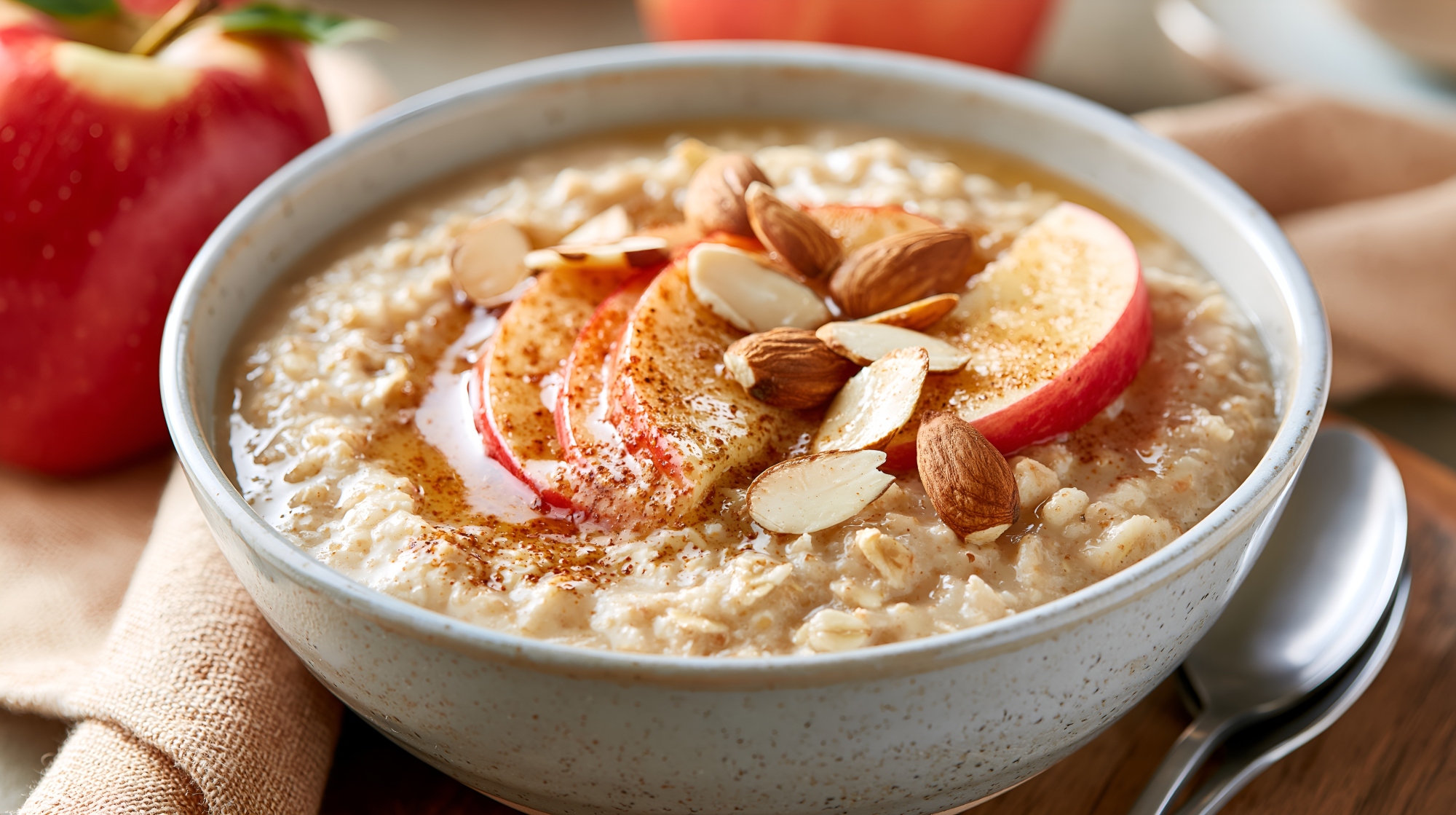
Photo Credit: "© [inspiretta] / Adobe Stock
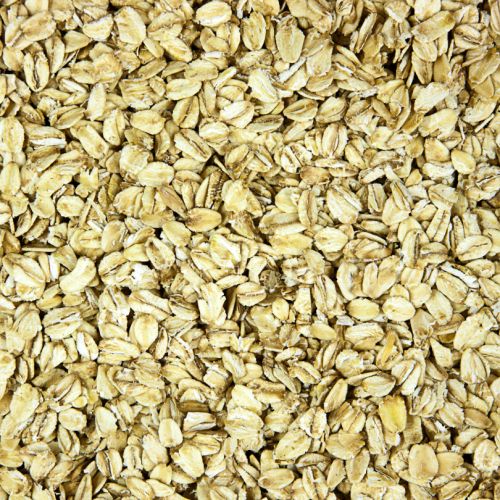
Oats contain beta-glucan, a type of soluble fibre that can slow digestion and help you feel fuller after eating. Once fibre reaches the gut, it’s also fermented by gut bacteria, producing short-chain fatty acids that may influence GLP-1 release. This makes oats one of the simplest high-fibre vegan GLP-1 foods to include in your diet.
Recipe: Chocolate Tahini Oat Bars
Read more: Oat Bran vs Oats: Which Is Better?
Beans and lentils
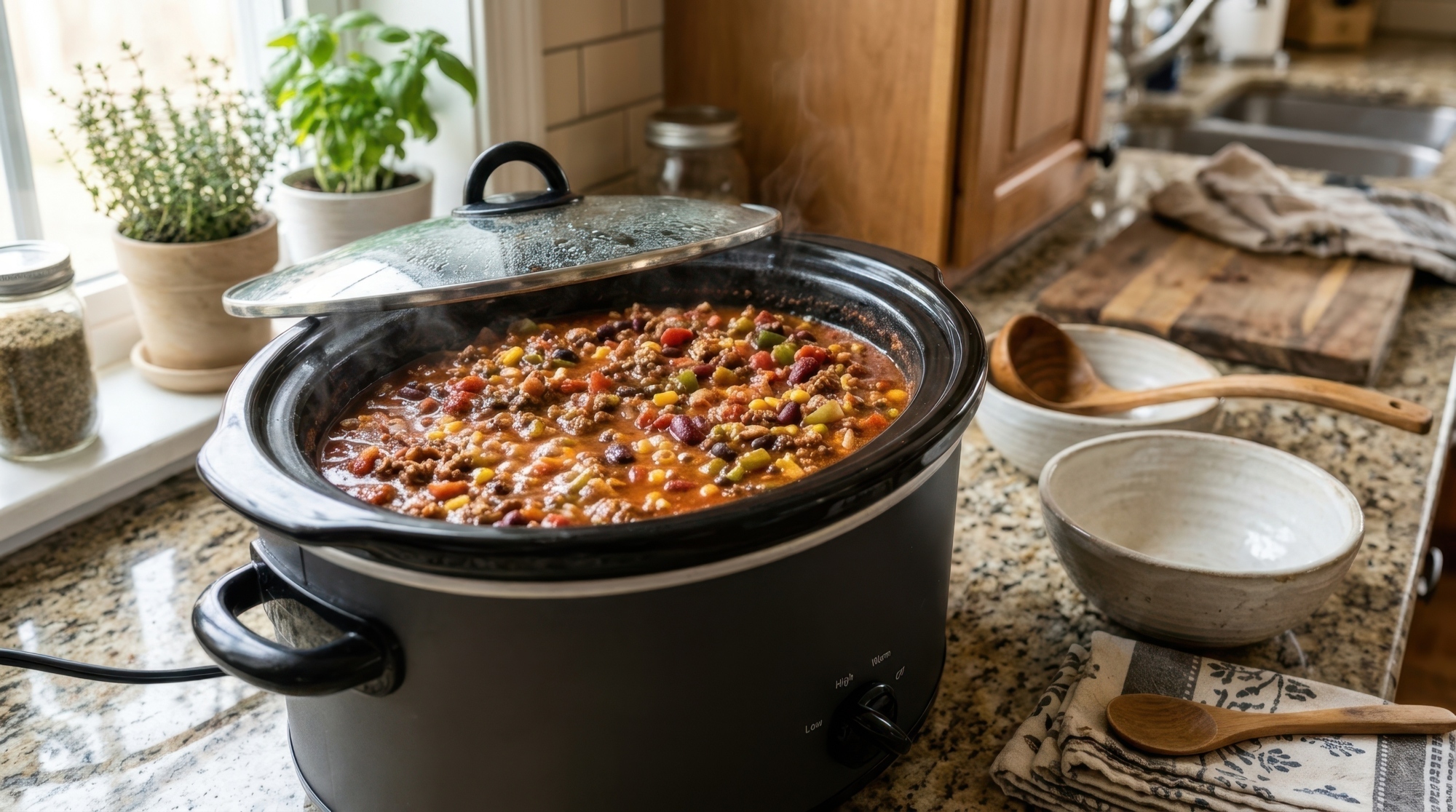
Photo Credit: "© [Elenba] / Adobe Stock
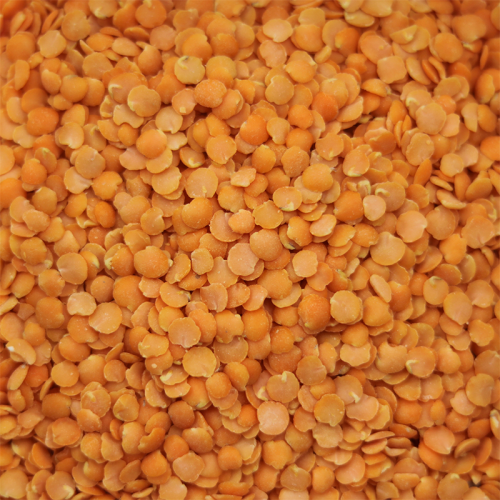
Beans and lentils bring together two nutrients linked with GLP-1: plant protein and fibre. Their fibre is fermented by gut bacteria, producing compounds that can stimulate the cells responsible for releasing GLP-1. Not to mention that they’re extremely good for your health!
Read more: 10 Top Benefits Of Organic Red Lentils
Chia seeds
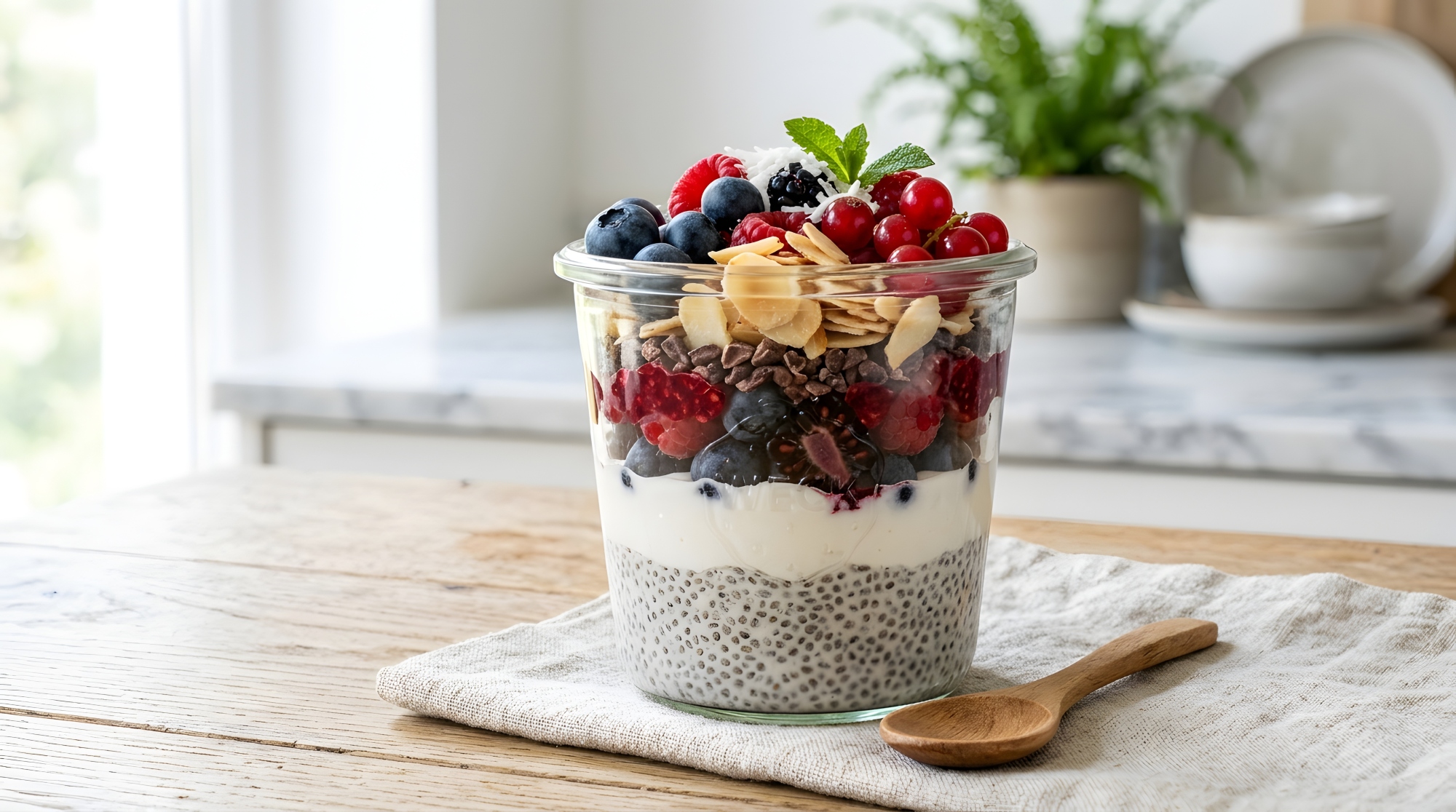
Photo Credit: "© [erwin] / Adobe Stock
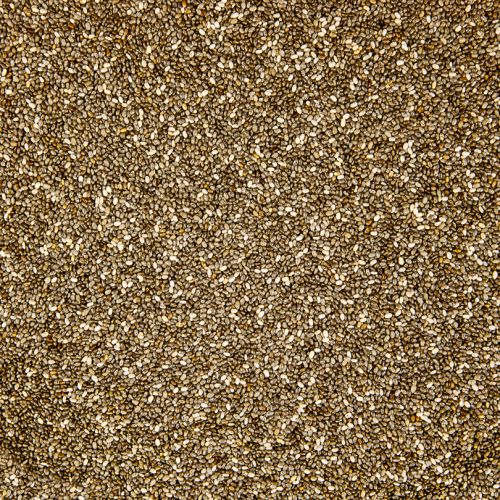
Tiny but full of nutrients, chia seeds provide a combination of fibre, plant protein, and unsaturated fats. Their high fibre content absorbs liquid and slows digestion, while fermentation in the gut may help influence the release of GLP-1.
Recipe: Peanut Butter Jelly Chia Pudding
Avocado
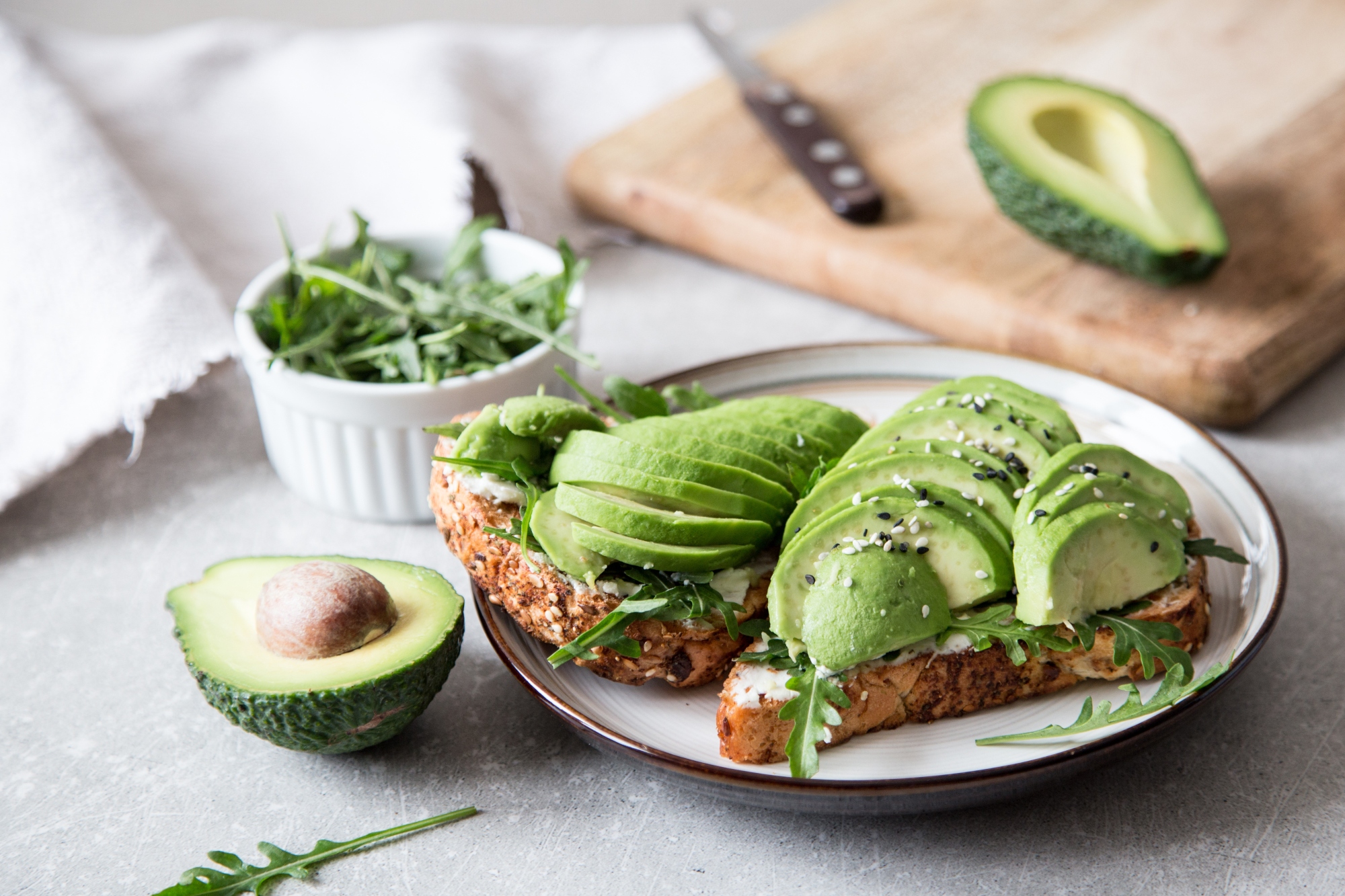
Photo Credit: "© [Ivanna Pavliuk] / Adobe Stock
Avocado provides both fibre and unsaturated fats, giving it a different route to supporting the body’s GLP-1 response. Dietary fat can stimulate GLP-1 release as it reaches the digestive system, while fibre contributes to fullness and supports healthy digestion.
Recipe: Avocado And Almond Smoothie
Nuts
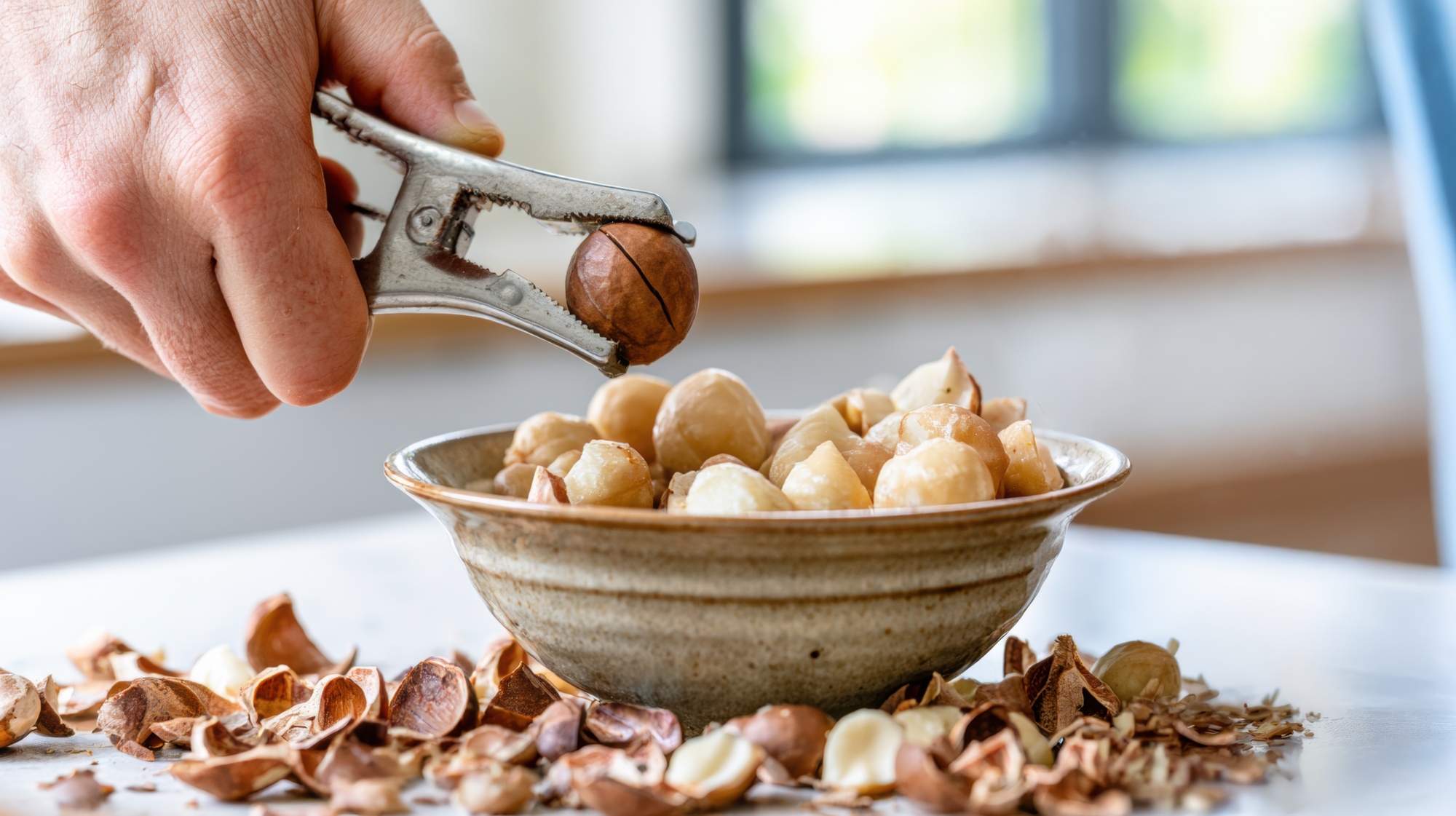
Photo Credit: "© [Emilio] / Adobe Stock
Nuts contain a useful combination of healthy fats, fibre, and plant protein. The presence of fat and protein can stimulate the release of GLP-1 during digestion, while their fibre content can contribute to the production of gut-derived compounds involved in GLP-1 release.
As nuts are energy-dense, a moderate portion is usually enough. Their versatility also makes them an easy addition to vegan GLP-1 meals and snacks.
Read more: Nuts: The Ultimate Feel Good Whole Food
Berries
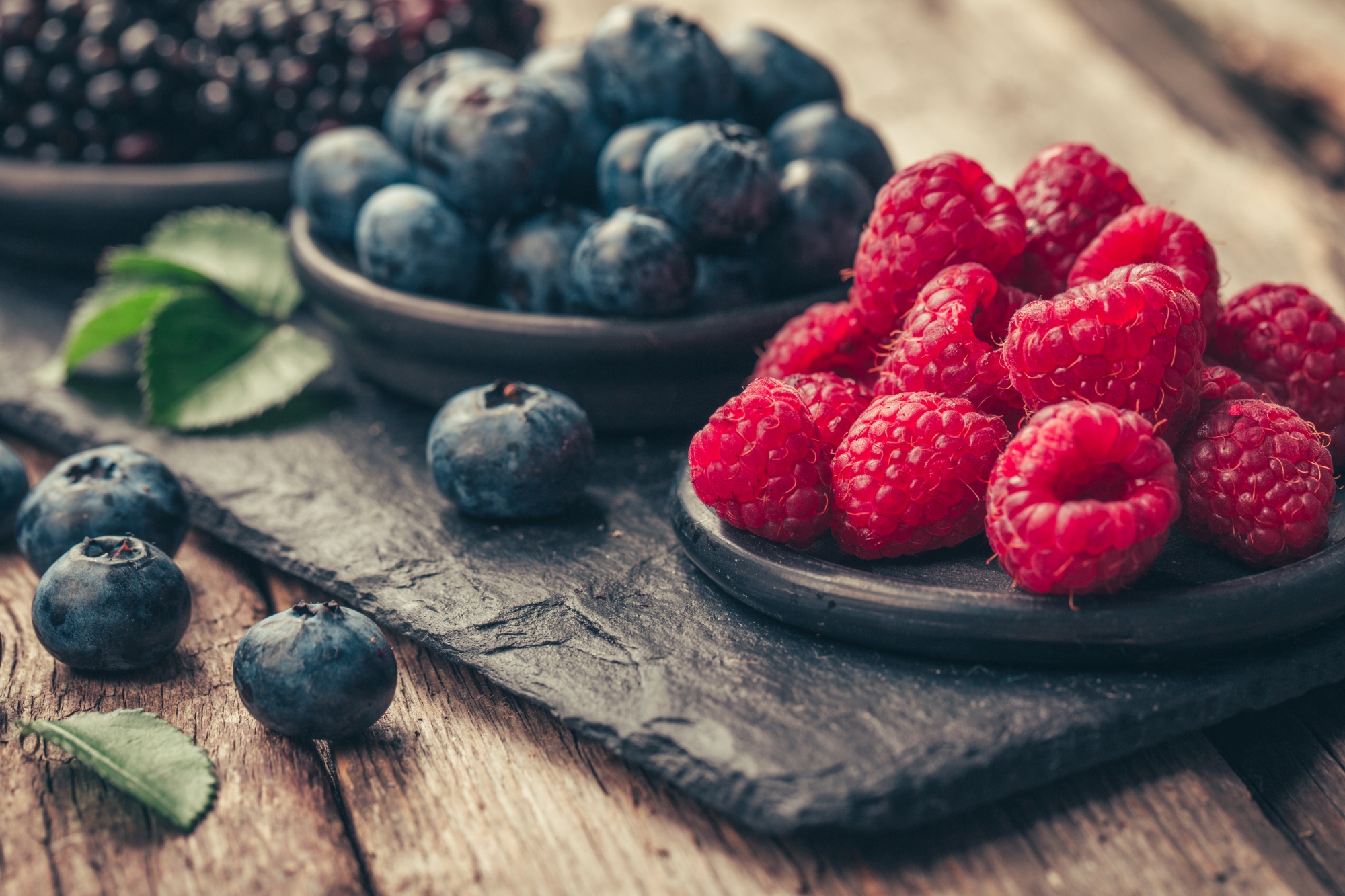
Photo Credit: "© [zadorozhna] / Adobe Stock
Berries are a simple way to add fibre to your meals, and their naturally occurring plant compounds may also interact with the gut. Fibre is fermented by gut bacteria, producing short-chain fatty acids that can influence GLP-1-producing cells.
Read more: Acai Berries Vs Blueberries: Which Is Best?
Leafy green vegetables
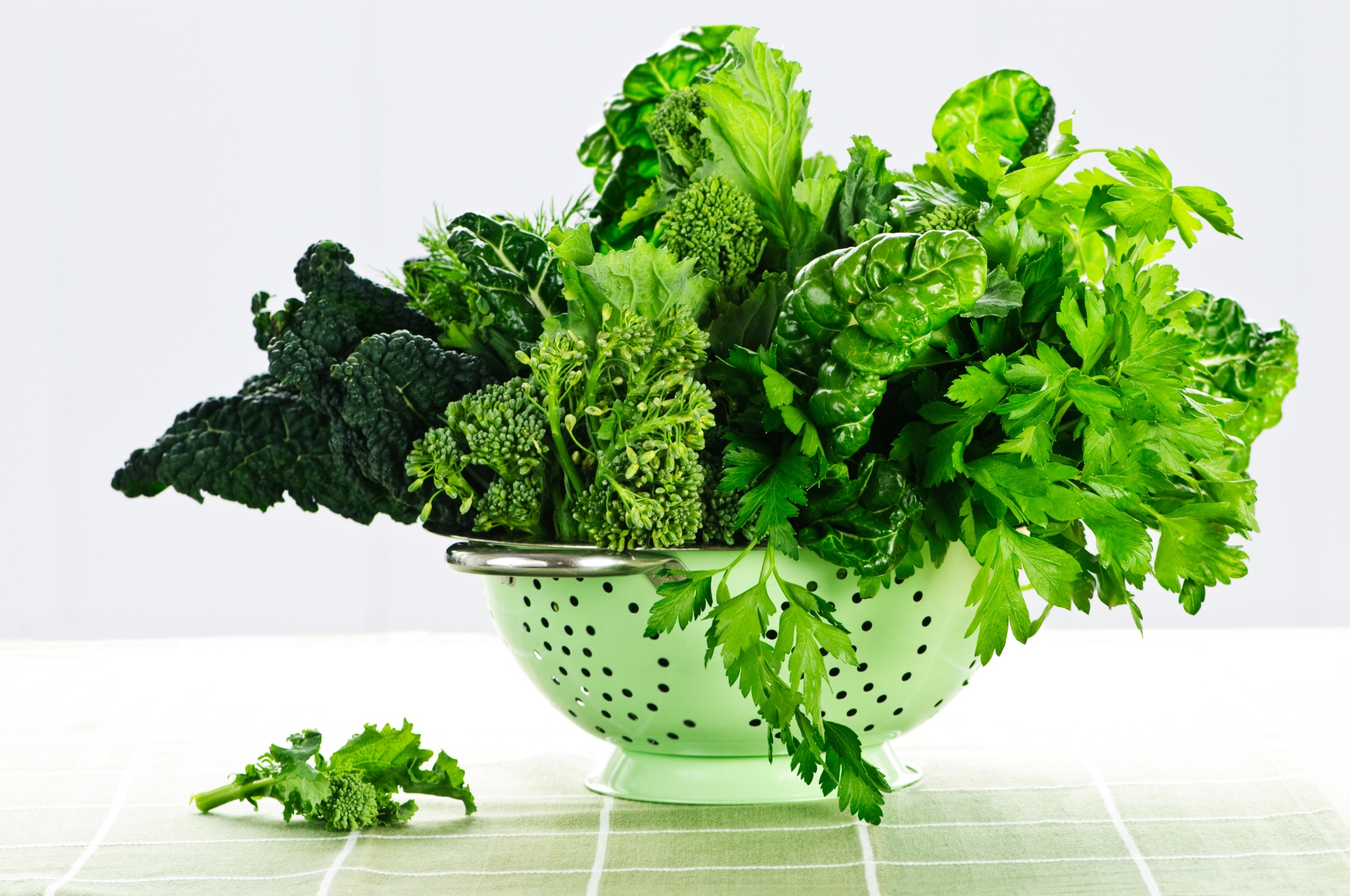
Photo Credit: "© [Elenathewise] / Adobe Stock
Leafy greens contribute fibre and a range of micronutrients, and their fibre can support the gut processes involved in GLP-1 release. On their own, vegetables may not provide much protein or fat, so combining them with other plant-based foods creates a more balanced and satisfying meal.
Vegan GLP-1 recipes
Looking for GLP-1 vegan recipes to put these foods into practice? Our simple vegan GLP-1 meal ideas combine several of the nutrients associated with natural GLP-1 release.
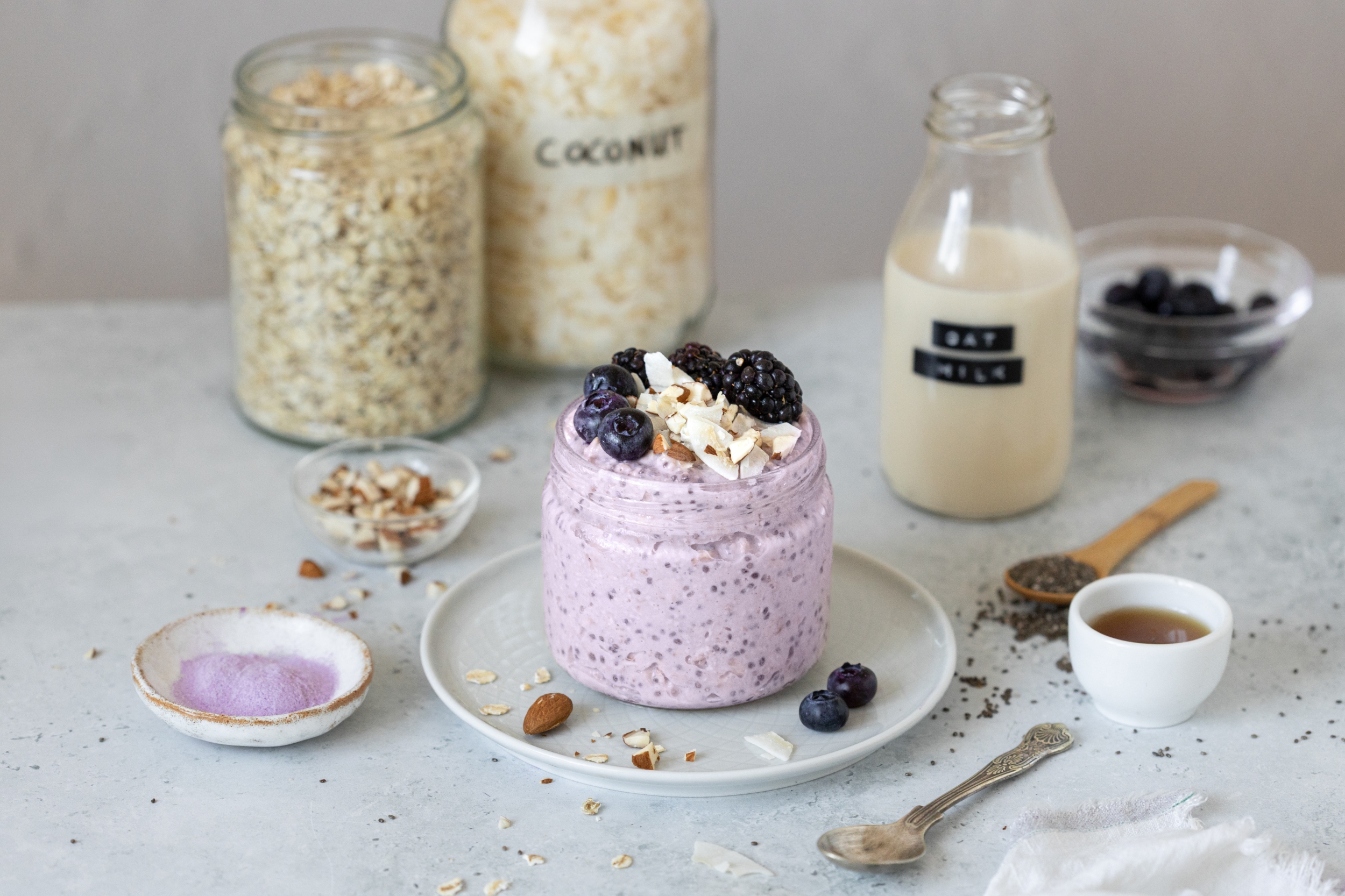
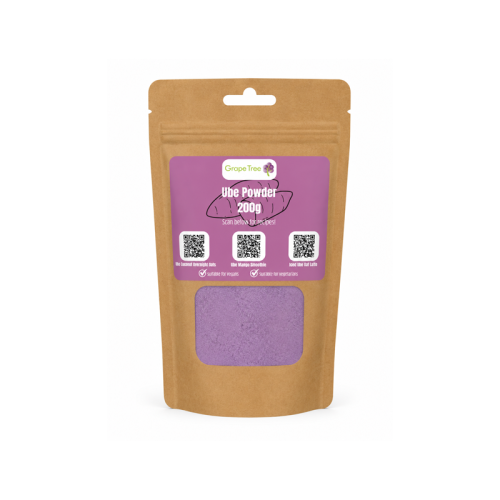
Overnight oats make fantastic vegan GLP-1 breakfast recipes. Creamy oats infused with vibrant ube and coconut are an easy make-ahead meal. Finished with crunchy almonds, coconut flakes, and fresh berries, they’re perfect for busy mornings.
Read more: What Is Ube Powder? (Plus Ube Recipes)
An Indian takeaway favourite with a vegan twist. Made with dried butter beans and a deliciously fragrant curry sauce, this recipe is an easy way to add plant protein and fibre for GLP-1 production.
Whether you’re after a post-workout refuel or a nutrient-dense breakfast on the go, this smoothie combines avocado and almonds for a creamy, satisfying drink.
These delicious Lentil & Walnut Burgers are made with plant-based ingredients, bringing together protein and fibre in a satisfying vegan meal.
Sweet raspberry chia jam perfectly complements the fruity oatmeal bar in this no-bake breakfast recipe. Chia seeds add fibre, healthy fats, and plant-based nutrients, making these bars a handy GLP-1 snack.
Eating a Vegan Diet for GLP-1 Support
The foods you eat can naturally encourage GLP-1 release, helping your body manage blood sugar, digestion, appetite, and feelings of fullness.
There’s no need to search for one magic GLP-1-boosting food. Instead, enjoy a variety of plant protein, fibre, and healthy fat-rich foods as part of balanced meals. By including these foods regularly, you can make supporting your natural GLP-1 response a simple part of everyday eating.