Photo Credit: "© [Alexandre] / Adobe Stock
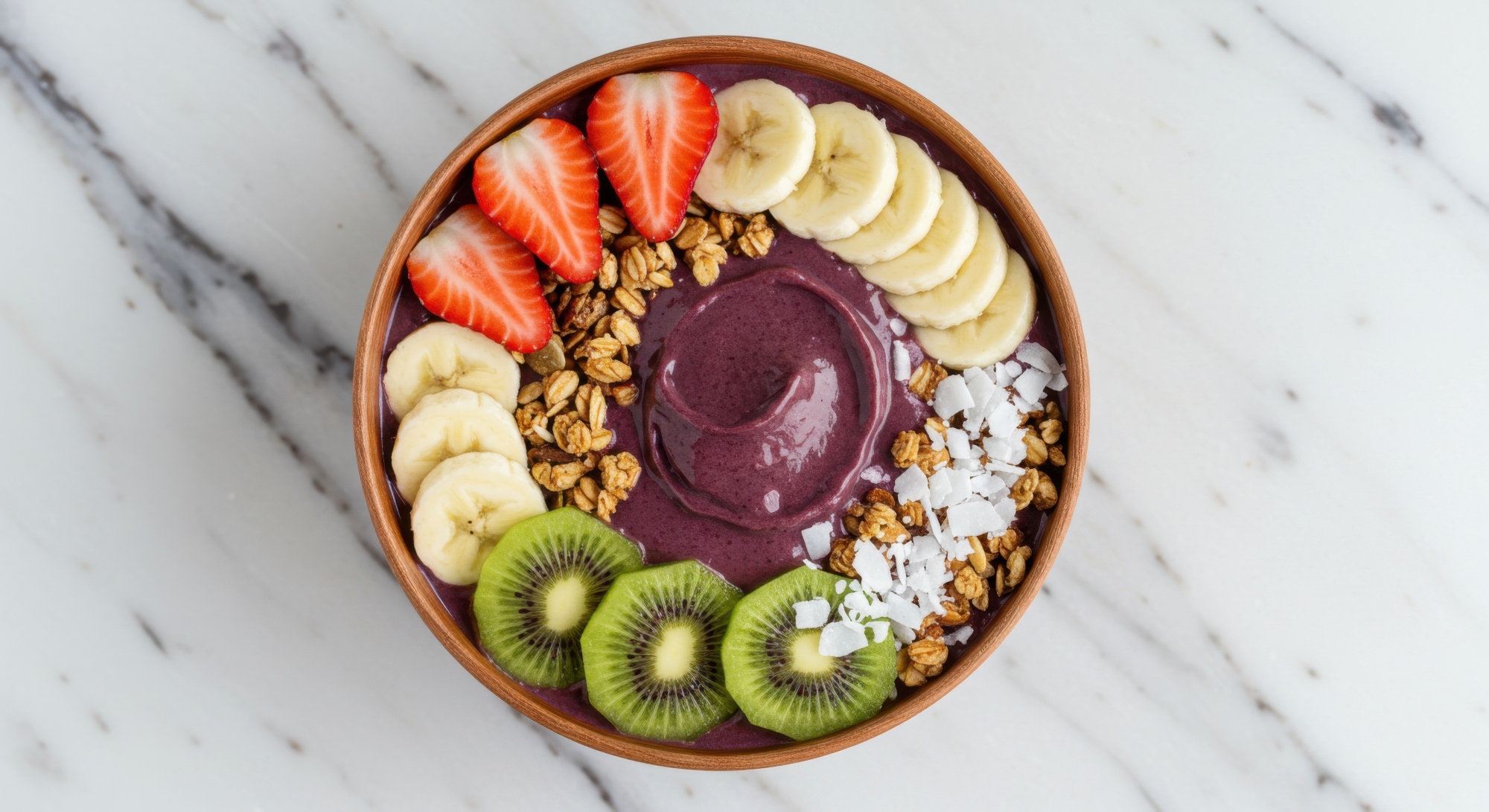
If you’ve been hearing about fibremaxxing all over social media, you’re not alone. The wellness trend is gaining momentum, and for good reason! Fibremaxxing isn’t about cutting foods out or following a restrictive diet. Instead, it aims to add foods bursting with fibre to help you reach 30 grams of fibre per day (the recommended amount for adults). In this article, we’re sharing the benefits of fibre, fibre-rich foods, plus small habits to get extra fibre into your everyday life.
What is fibremaxxing?
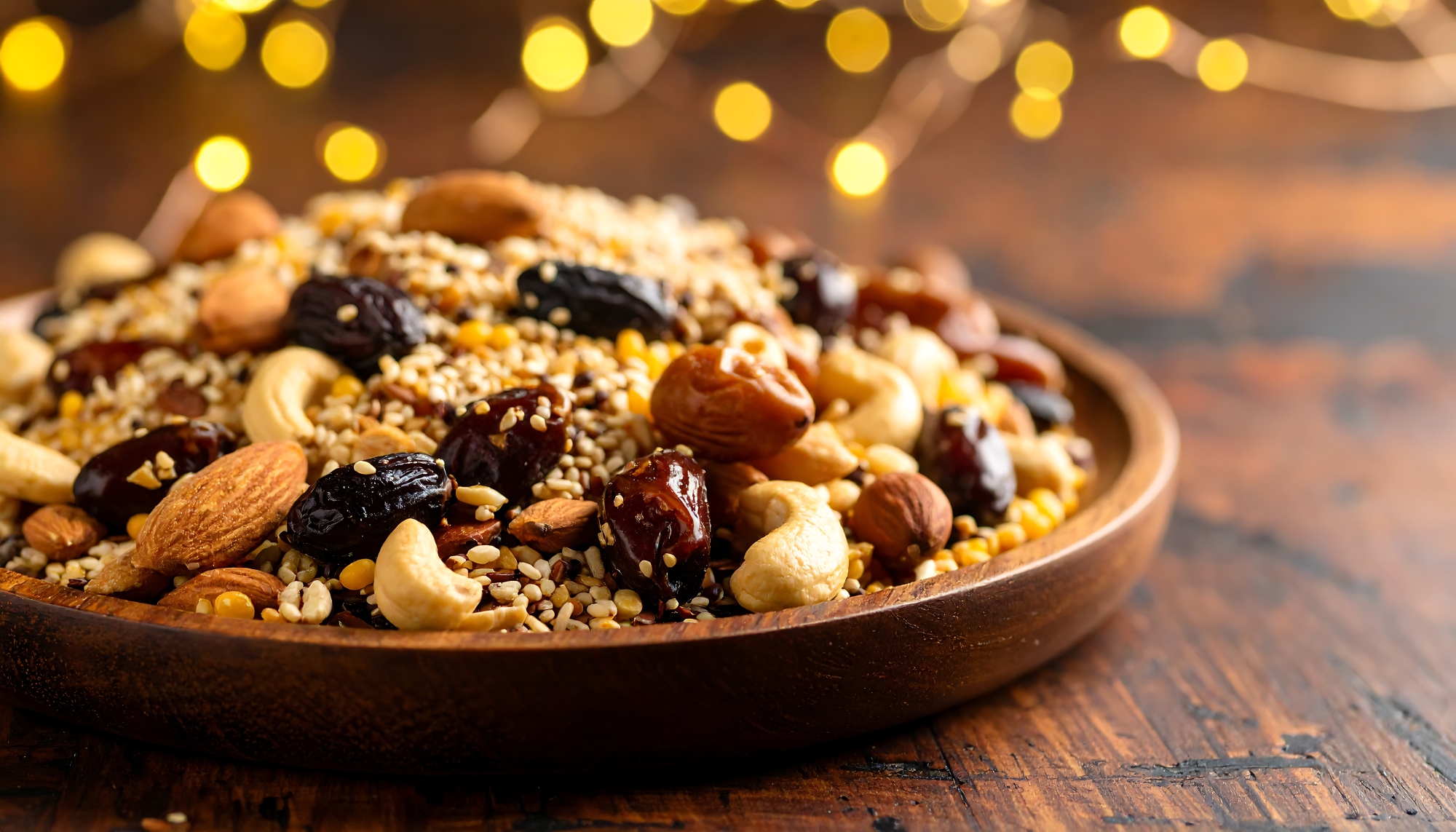
Photo Credit: "© [Berkah3] / Adobe Stock
Fibremaxxing is the practice of intentionally increasing your fibre intake through whole, plant-based foods. It’s a simple but powerful approach to nutrition that supports better digestion, blood sugar balance, and overall wellness.
In the UK, most adults only eat about 18 grams of fibre a day, which is far below the recommended 30 grams. Fibremaxxing aims to close that gap by encouraging you to fill your plate with naturally high-fibre foods like nuts, seeds, dried fruits, grains, and legumes.
The benefits of fibre
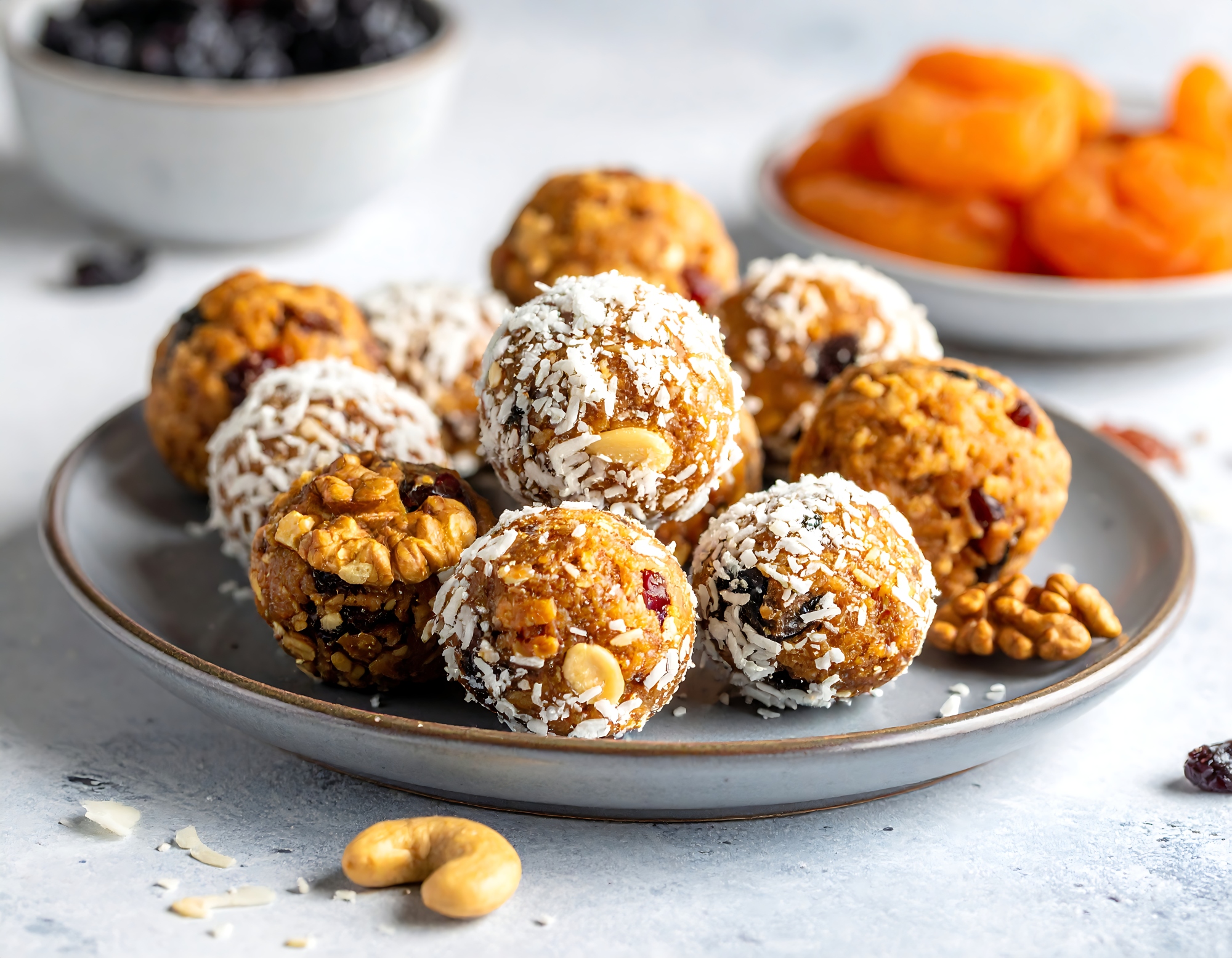
Photo Credit: "© [SuGi] / Adobe Stock
Getting enough fibre doesn’t just keep your bowel movements regular. It stabilises energy levels, supports a healthy gut microbiome, and even lowers cholesterol.
Soluble fibre (found in oats and beans) helps slow digestion and maintain steady blood sugar, while insoluble fibre (found in nuts, seeds, and whole grains) adds bulk and keeps things moving smoothly through your system.
A fibre-rich diet also feeds the beneficial bacteria in your gut, which is a key factor for a strong immune system, good mood, and glowing skin. Over time, consistent fibre intake can improve heart health, reduce inflammation, and help maintain a healthy weight.
Best foods for fibre
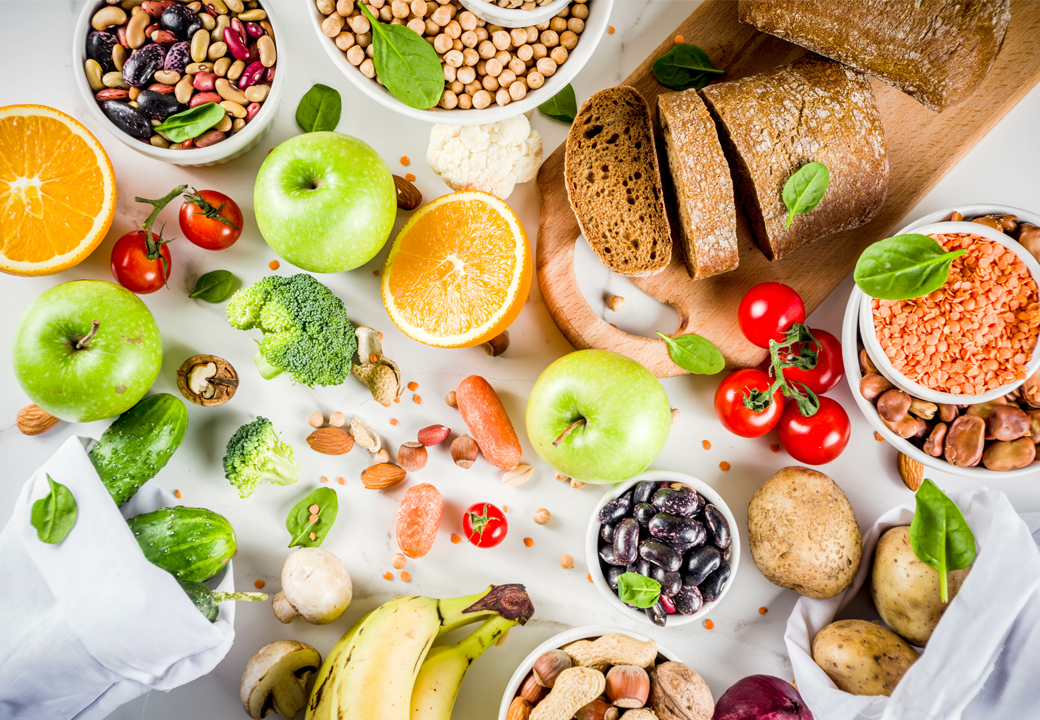
Fibremaxxing doesn’t have to be complicated. The easiest way to boost your intake is by choosing a variety of whole, unprocessed plant foods. Here are some of the best high-fibre options for everyday eating.
Nuts
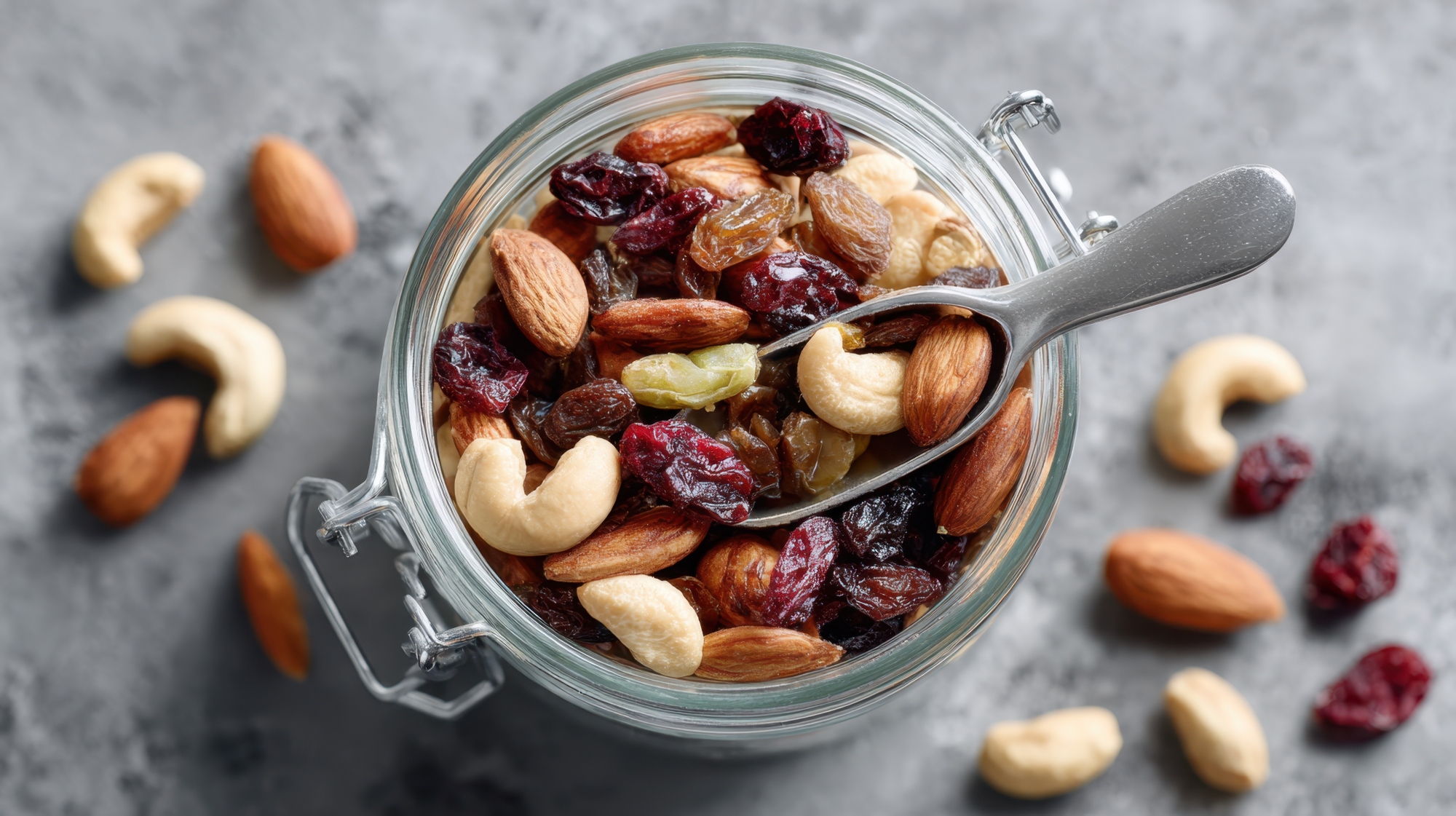
Photo Credit: "© [Evon J] / Adobe Stock
Nuts are small but mighty when it comes to fibre and healthy fats. Almonds, walnuts, and cashews are all excellent sources, providing between 2-4 grams of fibre per handful. They also offer magnesium, vitamin E, and plant protein, which makes them a satisfying snack or a nourishing addition to your morning porridge or yoghurt.
Read more: The Top Ten Nuts And Seeds For Fibre.
Seeds
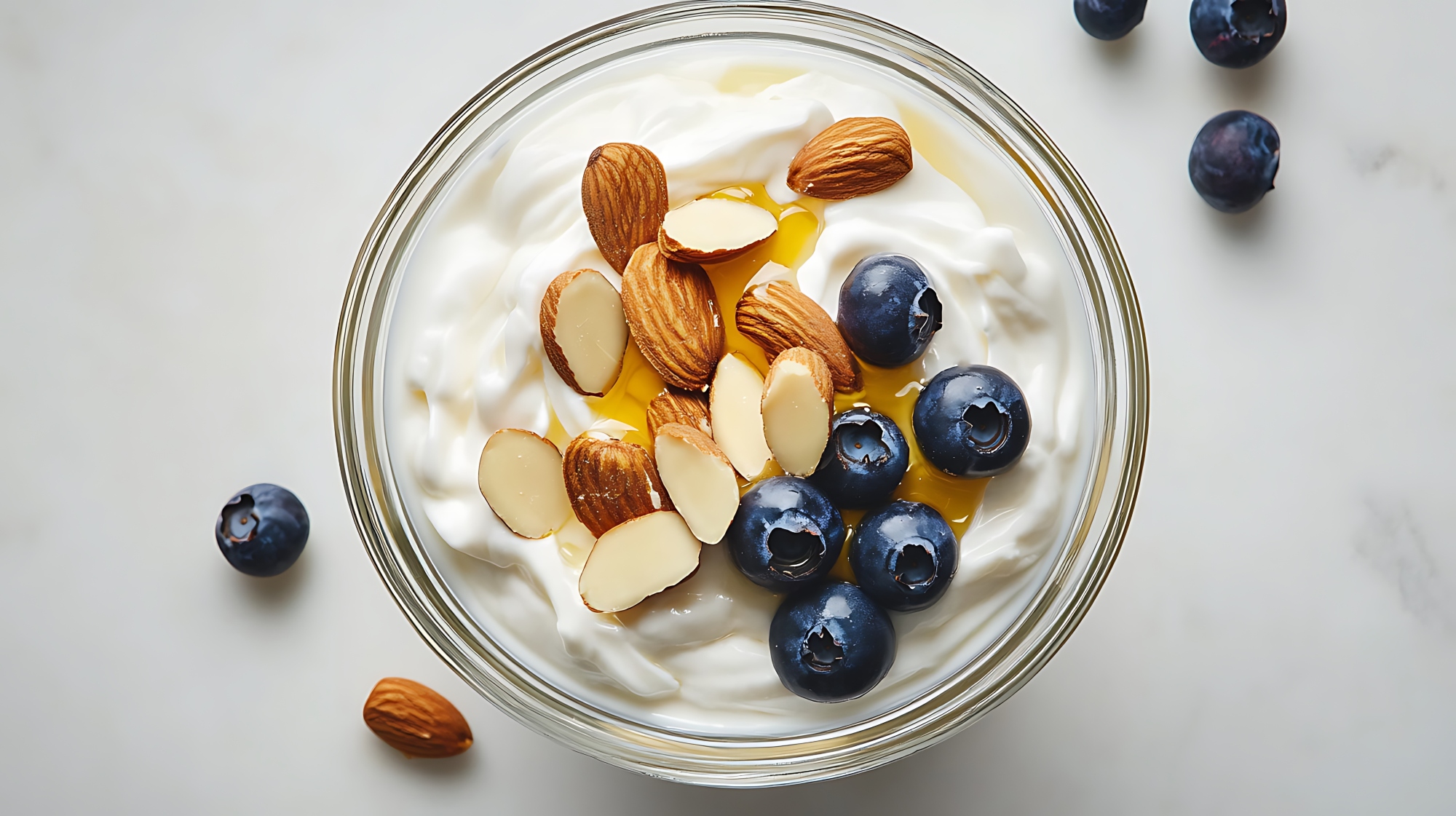
Photo Credit: "© [MutshI] / Adobe Stock
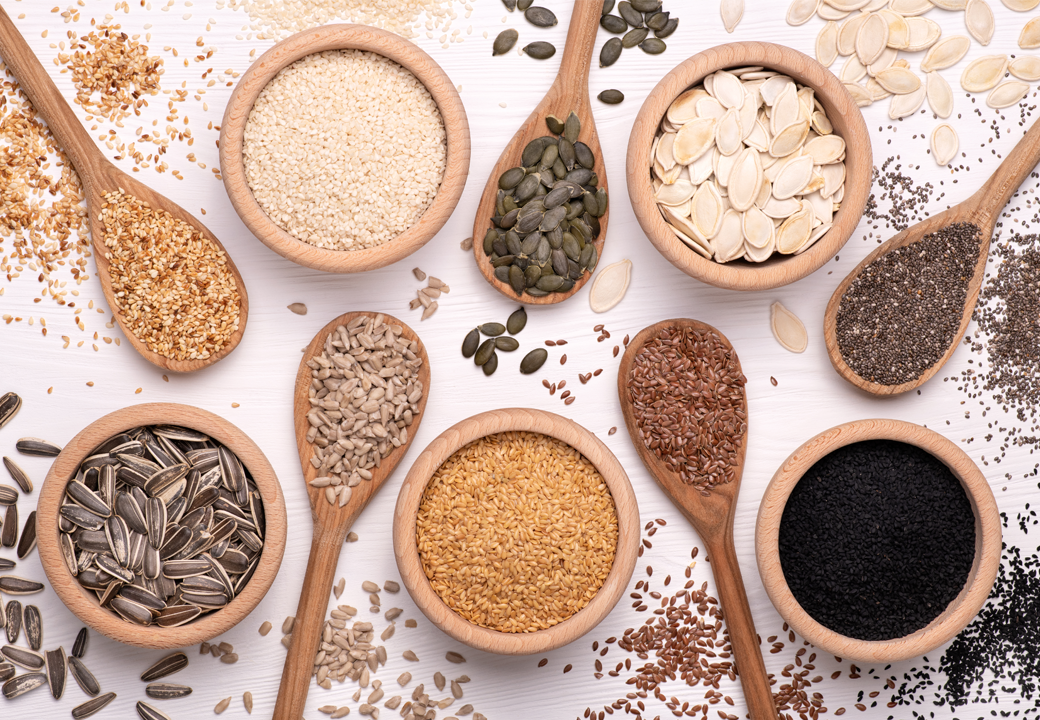
Seeds are true superfoods when it comes to fibremaxxing. Chia seeds and flaxseeds are particularly impressive, and just one tablespoon can add 3–5 grams of fibre to your day. They’re also packed with omega-3 fatty acids, which support heart and brain health. Sprinkle them over smoothies, salads, or overnight oats for an effortless nutrient upgrade.
Dried fruit

Photo Credit: "© [Olga Romankova] / Adobe Stock
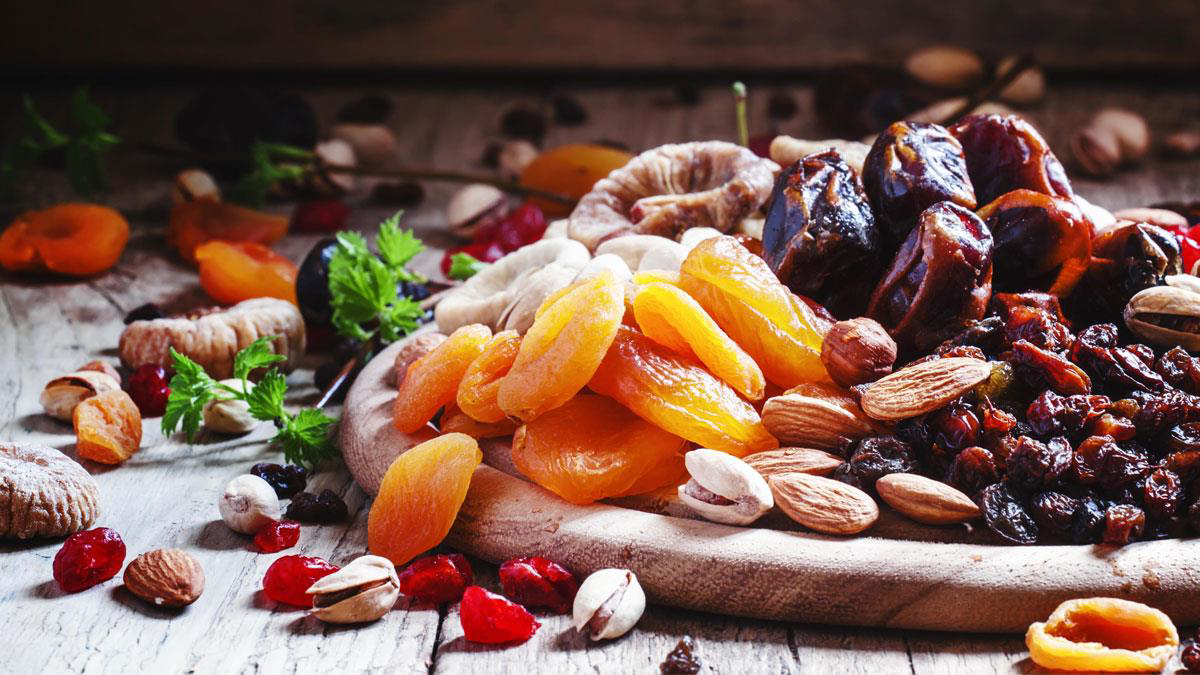
Sweet, chewy, and naturally rich in fibre, dried fruit keeps your digestion on track. Prunes, apricots, dates, and figs are popular choices as they provide both soluble and insoluble fibre along with essential minerals like potassium and iron. Enjoy a few pieces as a snack, stir into porridge, or mix with nuts and seeds for a homemade trail mix that supports your gut health and naturally curbs sugar cravings.
Read more: Ten things you should know about apricots.
Pulses, beans, and lentils
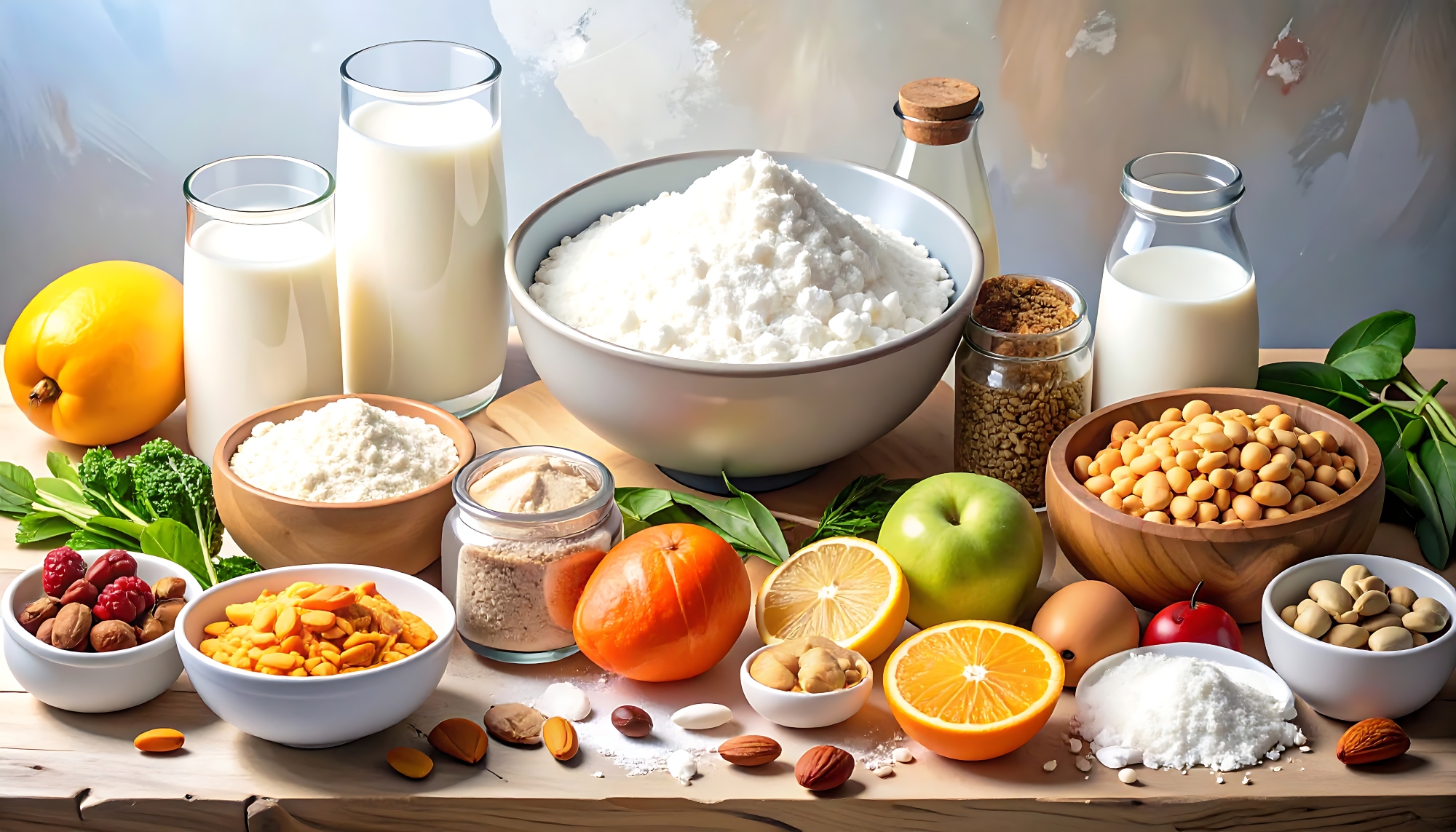
Photo Credit: "© [Belajar] / Adobe Stock
Beans, lentils, and chickpeas are some of the most fibre-dense foods you can eat. Half a cup of cooked lentils provides about 8 grams of fibre, which is a quarter of your daily goal! They’re also a great source of plant-based protein, iron, and complex carbohydrates, keeping you full for longer to reduce unnecessary snacking and high-sugar foods.
Add lentils to soups, toss chickpeas into salads, or blend beans into spreads and dips like hummus. These small additions can make a big difference to your overall fibre intake.
Read more: 10 Top Benefits Of Organic Red Lentils.
Grains
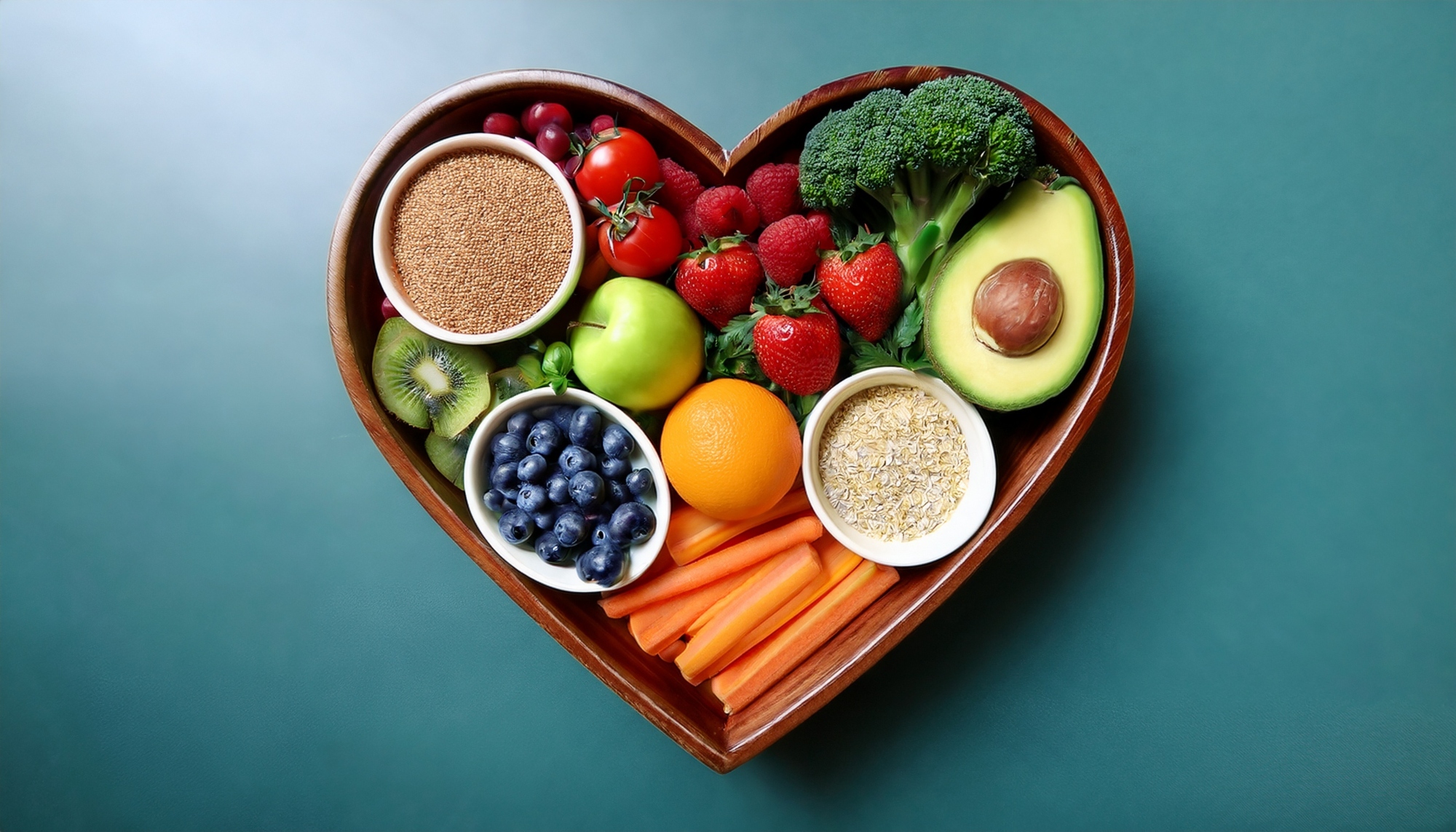
Photo Credit: "© [Cecile] / Adobe Stock
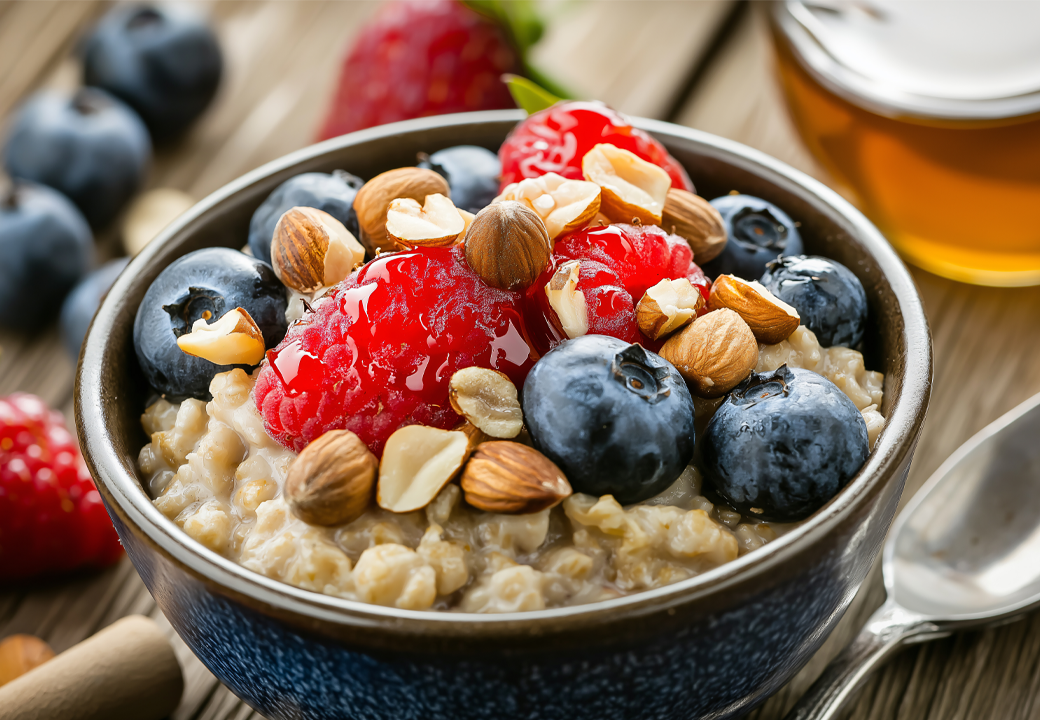
Whole grains like oats, quinoa, and bulgar wheat are key to successful fibremaxxing. They’re rich in both soluble and insoluble fibre, helping to stabilise digestion and provide lasting energy throughout the day. Start your morning with a hearty bowl of porridge oats, enjoy a quinoa salad for lunch, or swap white rice for brown rice at dinner to naturally increase your daily fibre total.
Read more: Oat Bran vs Oats: Which Is Better?
Cereals
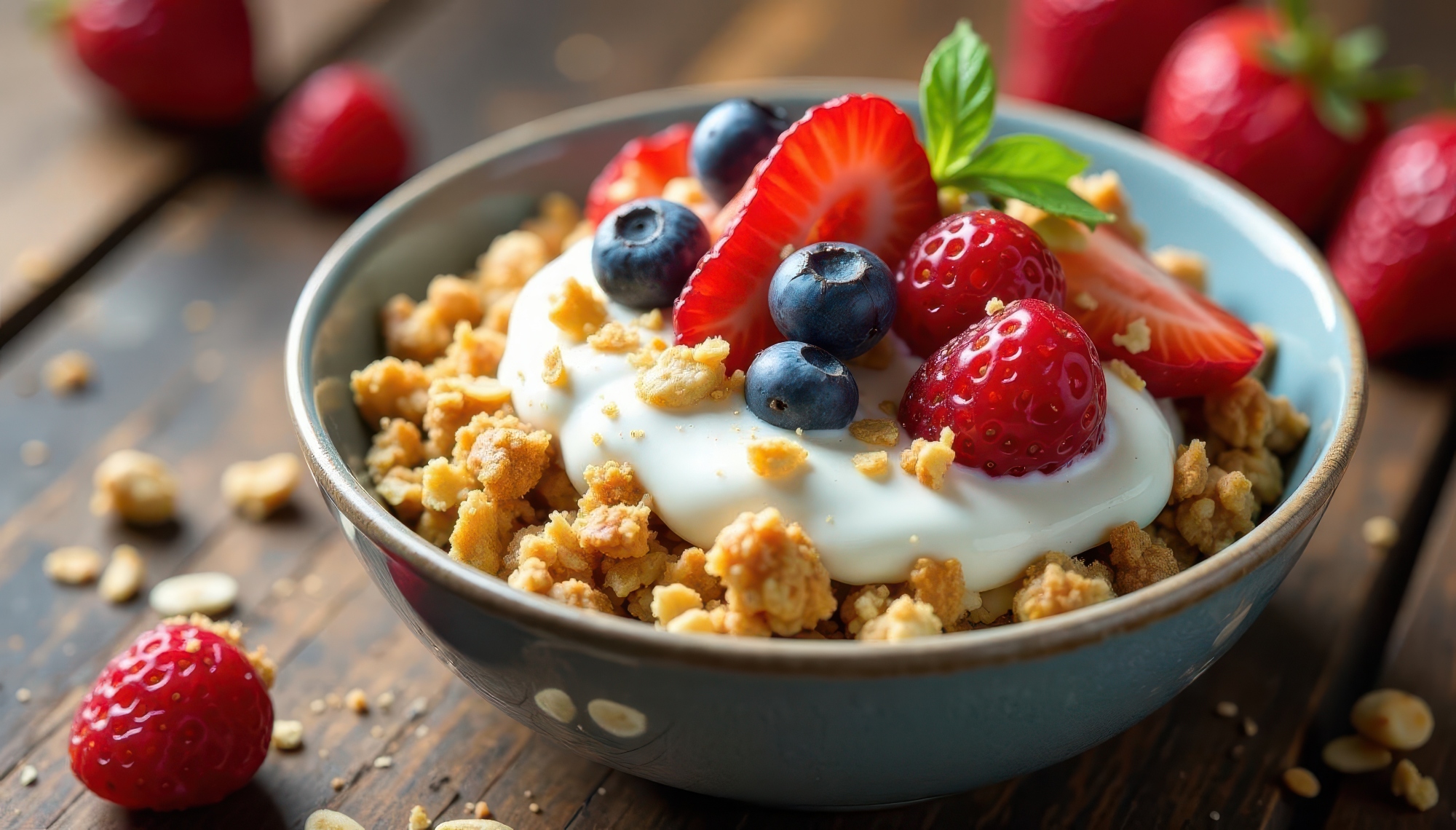
Photo Credit: "© [Rainyphoto] / Adobe Stock
Choosing the right breakfast cereal gives your daily fibre intake a head start. Look for wholegrain or bran-based varieties with minimal added sugar. A bowl of bran sticks and muesli can easily add 5-10 grams of fibre to your morning routine. Pair with a handful of nuts and some chopped dried fruit for a satisfying, nutrient-dense breakfast that fuels your body all morning long.
Simple habits to get more fibre into your diet
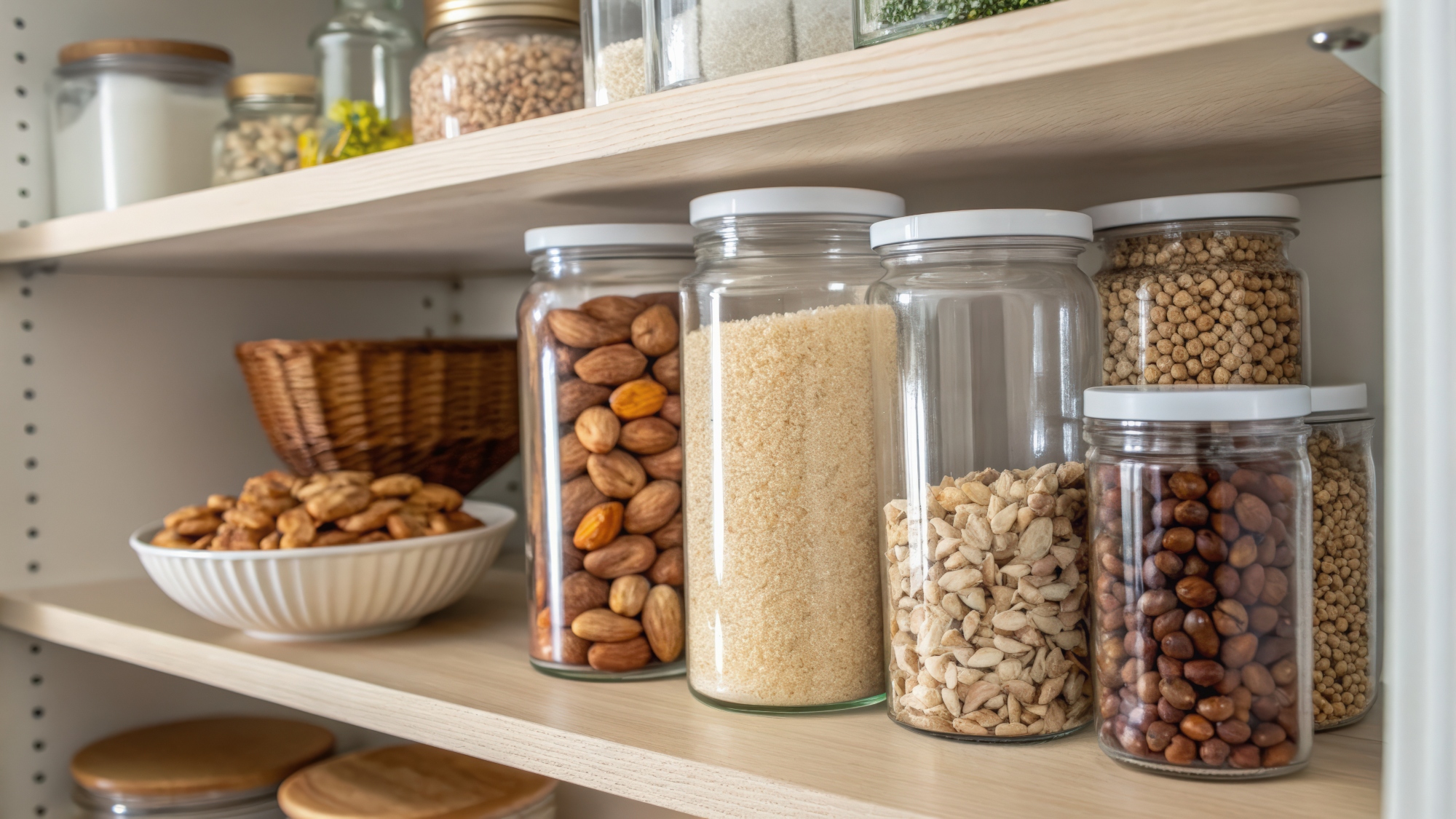
Photo Credit: "© [weerasak] / Adobe Stock
Boosting your fibre intake doesn’t have to mean a complete diet overhaul, and small, consistent changes make all the difference. Here are a few easy habits to help you reach your daily fibre goals:
- Start your day with fibre - Choose wholegrain cereals, oats, or muesli topped with fruit, nuts, and seeds for a filling, fibre-rich breakfast.
- Snack smart - Keep a mix of dried fruit and nuts on hand for a quick, satisfying snack that supports energy and digestion.
- Add fibre to every meal - Sprinkle chia or flaxseeds onto yoghurt, salads, or soups for an effortless boost.
- Go for whole grains - Swap white rice, bread, and pasta for whole-grain or brown alternatives to increase fibre without extra effort.
- Eat more plants - Include beans, lentils, and plenty of vegetables in your meals because they’re some of the most fibre-dense foods available.
Read more: Easy Ways To Get More Fibre In Your Diet.
Get your fibre from Grape Tree
Fibremaxxing is all about building healthy habits that last, and Grape Tree’s wide range of natural, whole foods makes it easier to reach your 30 gram goal. Stock up on our organic nuts and seeds, dried fruits, grains, cereals, and more to help you feel energised and support your gut, heart, and overall wellbeing.