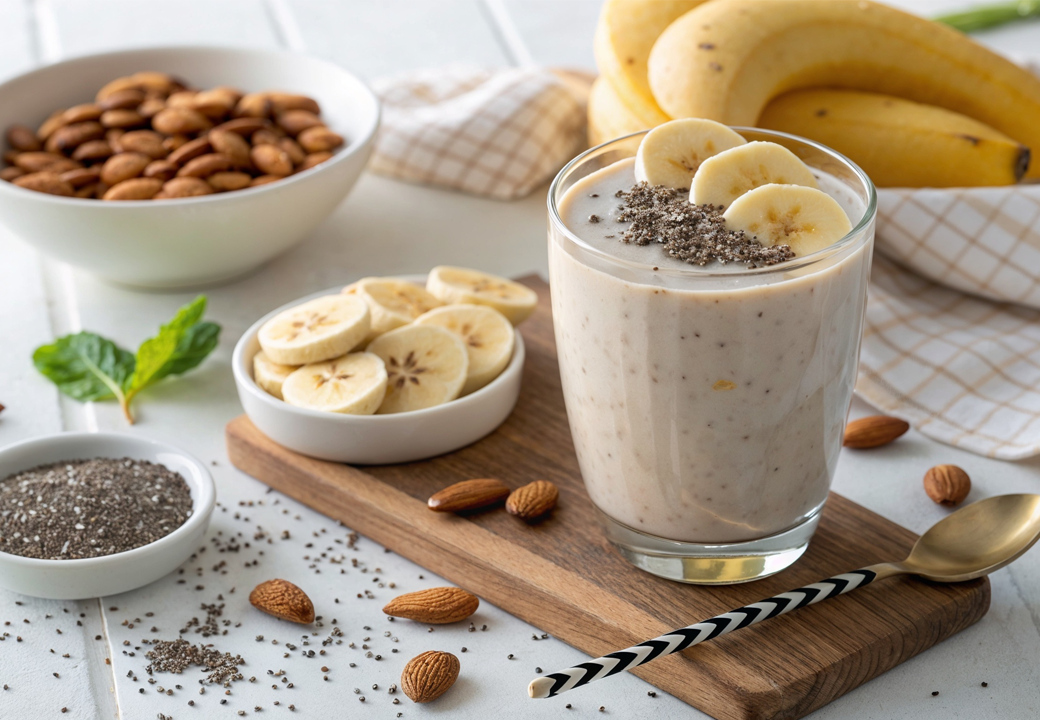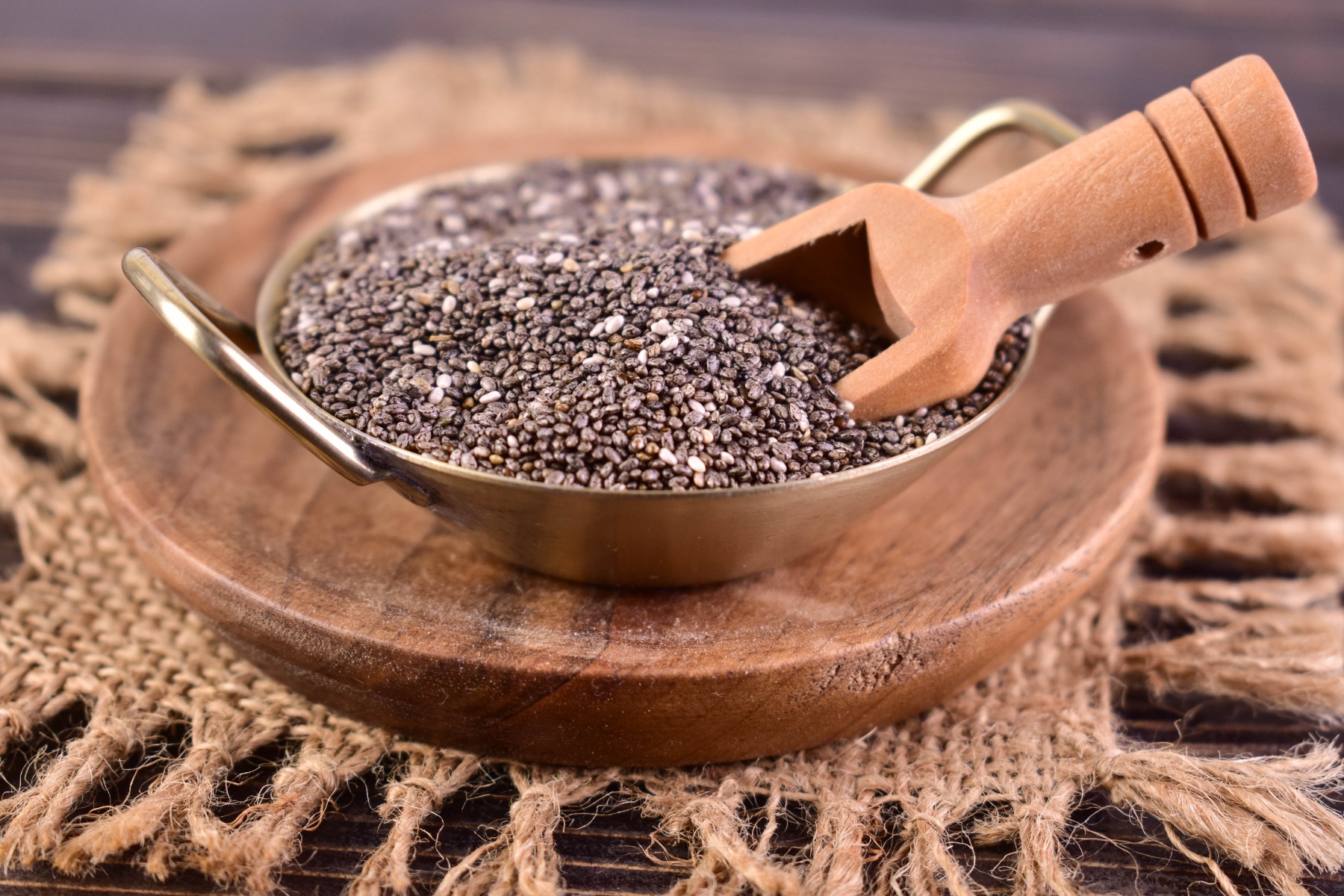
Photo Credit: "© [Olivka888] / Adobe Stock
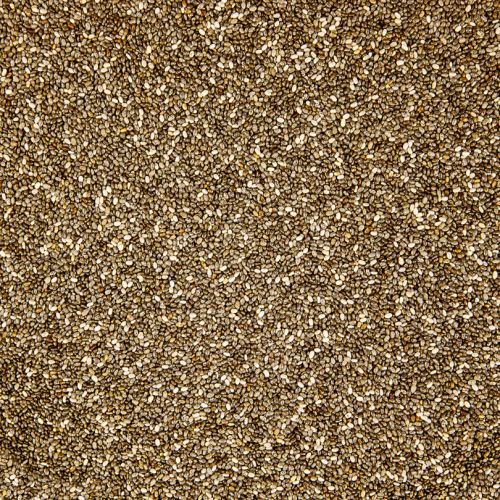
Chia seeds have become one of the most popular “superfood” ingredients in recent years. These tiny black and white seeds come from the Salvia hispanica plant and have been eaten for centuries, originally by the Aztecs and Mayans.
Today, chia seeds are widely valued for their impressive nutritional profile. They contain fibre, plant-based protein, omega-3 fatty acids and a range of minerals including calcium and iron.
In this guide, we’ll explore:
- The nutritional value of chia seeds
- The potential health benefits
- Possible side effects to be aware of
- How much chia seeds people commonly include in their diet
Nutrional Value of Chia Seeds
Chia seeds are nutrient-dense, meaning they provide a large amount of nutrients relative to their size.
A typical serving of chia seeds is around 28g (roughly two tablespoons).
Approximate nutritional values per 28g serving:
| Nutrient | Amount |
|---|---|
| Fibre | ~10g |
| Protein | ~5g |
| Omega-3 fatty acids | ~5g |
| Calcium | ~18% of recommended daily intake |
| Iron | ~12% of recommended daily intake |
| Magnesium | ~23% of recommended daily intake |
One of the standout features of chia seeds is their high fibre content, which contributes to their popularity as a nutritious food addition.
Potential benefits of chia seeds

Photo Credit: "© [puhhha] / Adobe Stock
Chia seeds are often included in balanced diets because they provide several nutrients that support normal bodily functions.
It’s important to remember that no single food provides all the nutrients we need, but chia seeds can be a useful addition to a varied diet.
Below are some of the key reasons people choose to include chia seeds in their meals.
High in fibre
Chia seeds are particularly rich in dietary fibre.
Fibre plays an important role in maintaining normal digestive function and helps support gut health when consumed as part of a balanced diet.
Because chia seeds absorb water and expand, they can also help people feel fuller after meals.
Source of Omega-3 Fatty Acids
Chia seeds contain alpha-linolenic acid (ALA), a plant-based omega-3 fatty acid.
Omega-3 fats are an essential part of the diet and contribute to normal body functions. While oily fish is typically considered the richest source of omega-3, chia seeds provide a useful plant-based alternative.
Plant-Based Protein
Chia seeds contain small amounts of protein, including several essential amino acids.
This makes them a convenient addition for people looking to increase the variety of protein sources in their diet, particularly those following vegetarian or plant-based eating patterns.
Rich in Minerals
Chia seeds provide minerals including:
These nutrients contribute to a wide range of normal functions in the body, including maintaining bones and supporting energy metabolism.
May Support Balanced Eating Habits
Because chia seeds contain fibre, protein and fats, they are sometimes included in meals designed to help people feel satisfied for longer.
However, they should always be considered one component of a balanced diet rather than a standalone health solution.
Suitable for low-carb and keto diets
Chia seeds are naturally low in digestible carbohydrates. Although they contain carbohydrates in total, the majority of this comes from dietary fibre, which the body does not digest in the same way as other carbs.
This makes them a useful ingredient for people following low-carb or ketogenic eating patterns, where managing carbohydrate intake is a priority.
As with any food, they are best included as part of a varied and balanced diet rather than used as a standalone dietary solution.
Nutrients that may contribute to normal skin function
Chia seeds do not contain collagen directly, but they do provide some of the nutrients involved in normal protein metabolism in the body.
They are a source of amino acids, which the body uses in a range of processes including the maintenance of normal tissues. They also contain zinc, which contributes to normal protein synthesis, and magnesium, which supports a number of normal body functions.
The omega-3 fatty acids found in chia seeds are also considered an important part of a balanced diet, and fatty acids contribute to the maintenance of normal skin as part of overall nutrition.
It is worth noting that no single food is responsible for skin health. A varied diet that includes a wide range of nutrients is the most practical approach.
Good for sleep
Magnesium is worth noting specifically. It contributes to normal psychological function and to the reduction of tiredness and fatigue. Chia seeds provide around 23% of the recommended daily intake of magnesium per standard serving.
Chia seeds also contain tryptophan, an amino acid found in many protein-containing foods. Tryptophan is used by the body in the production of serotonin and melatonin, which are involved in normal sleep-wake regulation.
Eating chia seeds alone is unlikely to have a significant effect on sleep. However, as part of a varied diet that includes adequate nutrients, they can contribute to normal intake of these compounds.
Chia seeds and women's health
Some of the nutrients in chia seeds are particularly relevant to nutritional needs that can vary across different stages of a woman's life.
Chia seeds are a source of non-haem iron, which is the form of iron found in plant-based foods. Iron contributes to normal energy metabolism and to the reduction of tiredness and fatigue. Non-haem iron is absorbed less efficiently than iron from animal sources, but eating it alongside foods containing vitamin C can help the body make better use of it.
They also provide calcium and phosphorus, both of which contribute to the maintenance of normal bones. Maintaining adequate calcium intake is something many women are advised to consider, particularly later in life.
As with all nutrients, the amounts provided by a single food are modest. Chia seeds are best considered as one useful source among many in a balanced diet.
What are chia seeds good for?
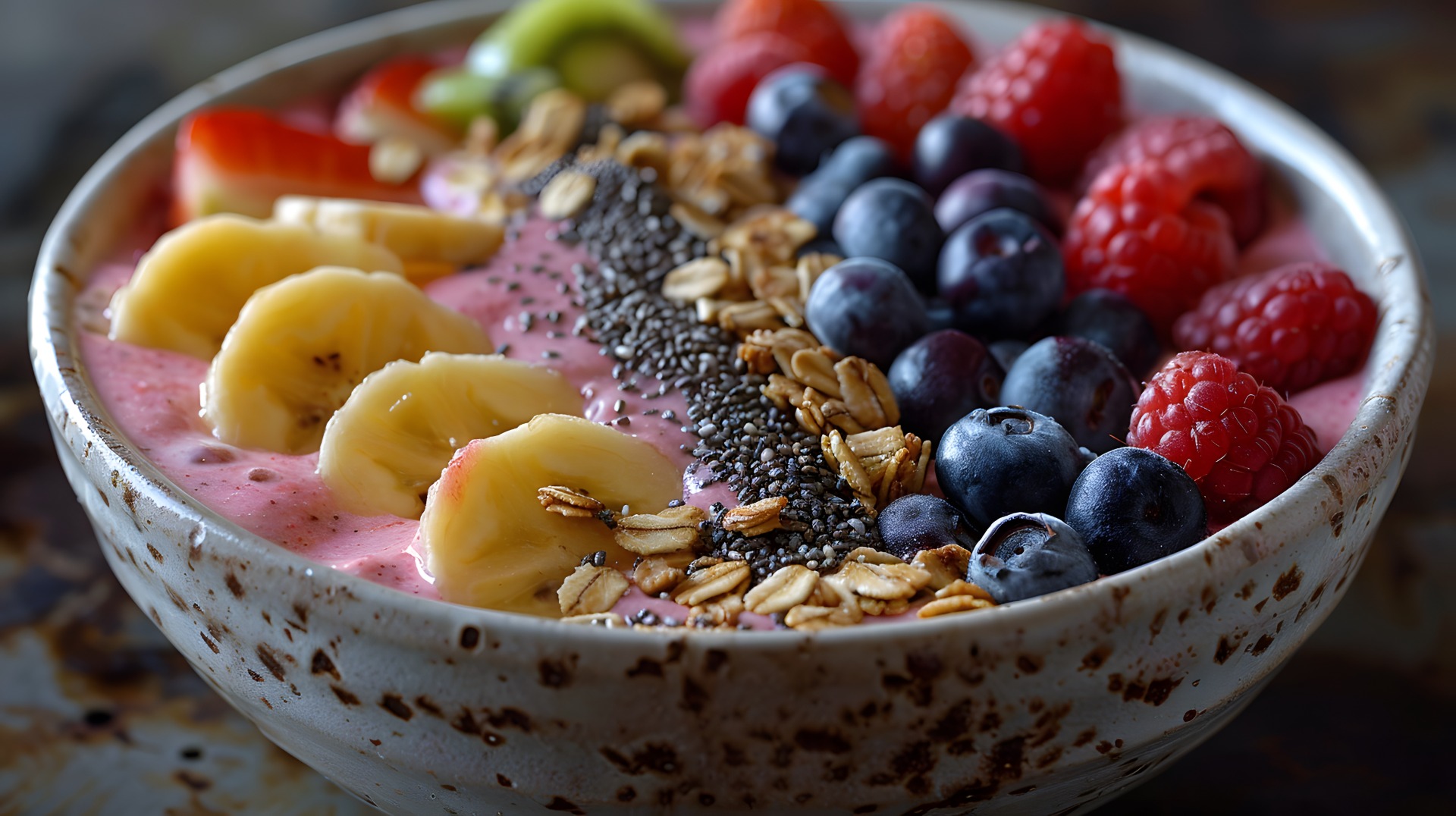
Photo Credit: "© [sakareeya] / Adobe Stock
People often add chia seeds to their diet because they are a convenient way to increase intake of fibre, minerals and plant-based omega-3 fats.
They are commonly used to:
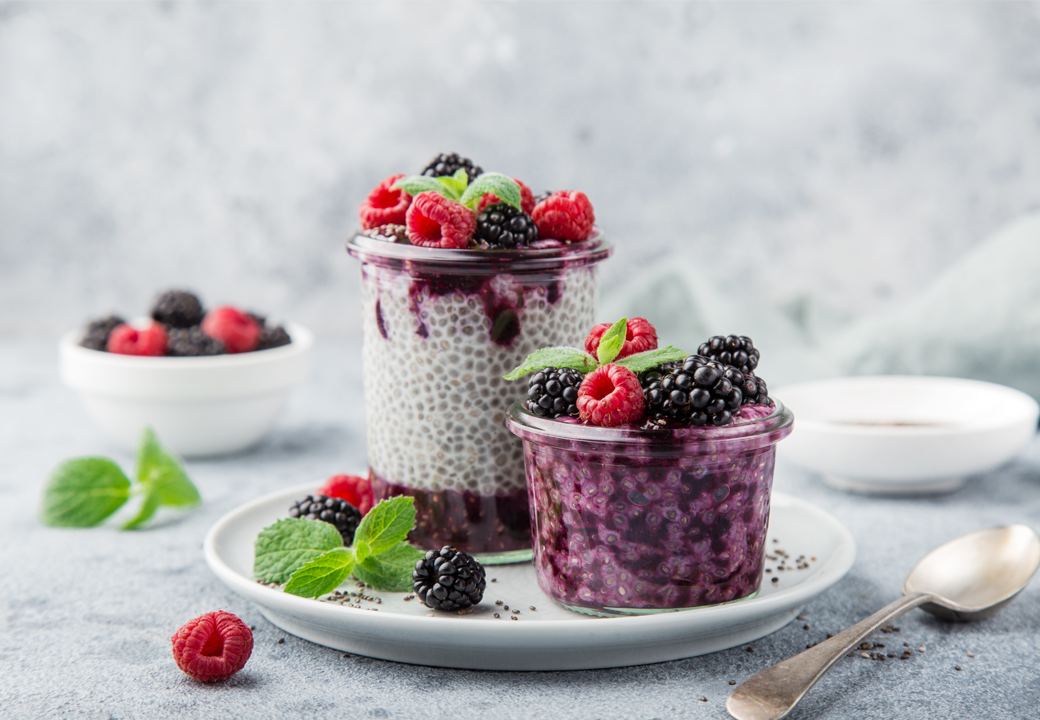
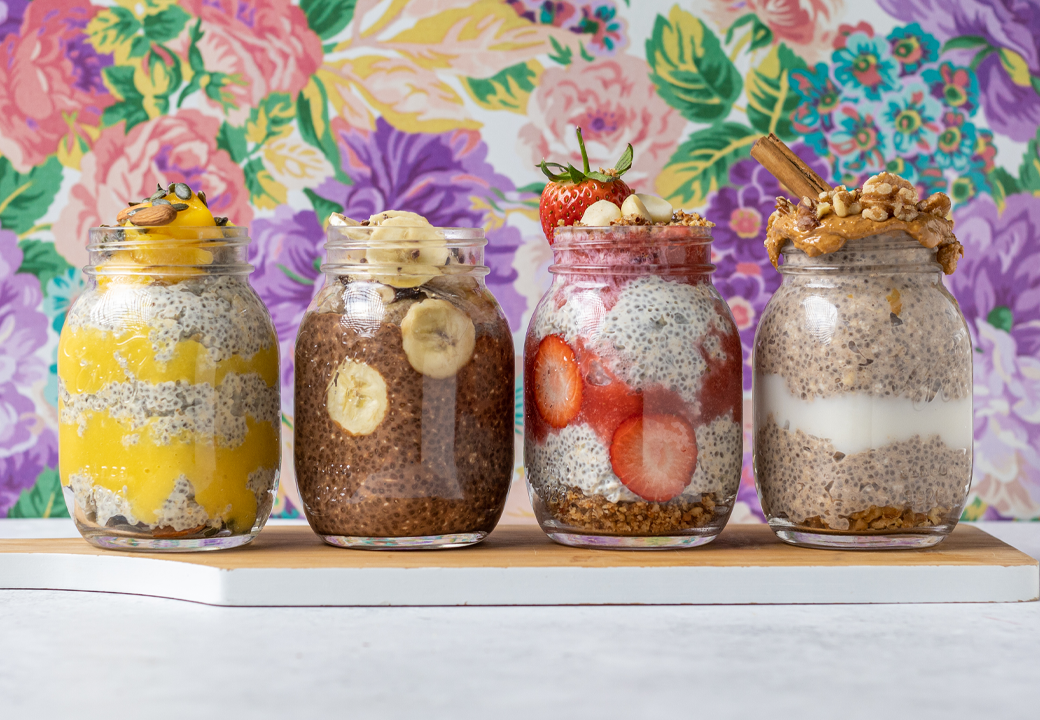
- Add nutrients to breakfast foods such as porridge or yoghurt
- Increase fibre intake
- Provide a plant-based source of omega-3
- Support balanced eating habits
Their mild flavour and ability to absorb liquid also makes them a versatile ingredient in many recipes.
Whole chia seeds can be crunchy, and you may prefer a smooth blend for baking or mixing into recipes. These organic ground chia seeds are gluten-free, high in protein and fibre and will help satiate your hunger for longer.
Possible side effects of chia seeds
Chia seeds are generally considered safe when eaten in moderate amounts as part of a normal diet. However, like many high-fibre foods, they may cause issues for some people if consumed in very large quantities.
Digestive Discomfort
Because chia seeds contain a large amount of fibre, eating too many at once may cause:
- Bloating
- Gas
- Stomach discomfort
This is particularly true for people who are not used to eating high-fibre foods.
Increasing fibre intake gradually and drinking plenty of water can help reduce these effects.
Potential Choking Risk When Dry
Dry chia seeds absorb liquid quickly and expand.
For this reason, they are usually best consumed after being mixed with liquid or added to moist foods, rather than eaten dry in large amounts.
Allergic Reactions
Although uncommon, some individuals may be sensitive or allergic to chia seeds. Anyone who experiences symptoms such as itching, swelling or breathing difficulties after eating chia seeds should seek medical advice.
If you take regular medication
Because chia seeds are high in fibre and contain omega-3 fatty acids, there are a small number of situations where it may be worth checking with a healthcare professional before making them a regular part of your diet.
Omega-3 fatty acids can have a mild effect on blood clotting, which may be relevant for people taking anticoagulant medication. High fibre foods can also affect how quickly the body absorbs some medications if eaten at the same time.
If you take regular medication, particularly for blood pressure, blood clotting or diabetes, it is worth speaking to your GP before significantly increasing your intake of chia seeds or other high-fibre foods.
How much chia seeds should you eat per day?
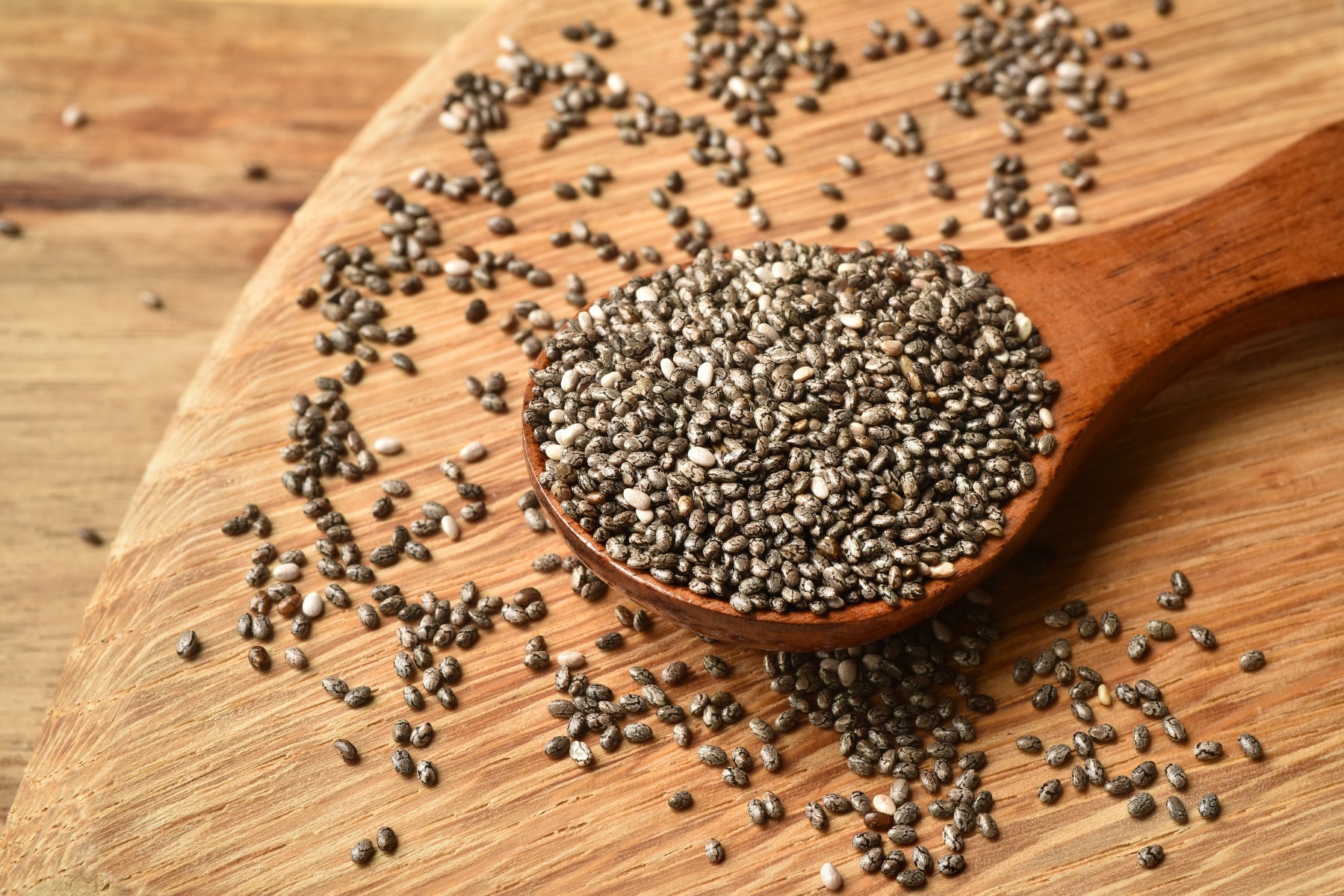
Photo Credit: "© [Garbauske] / Adobe Stock
There is no universal recommended intake for chia seeds, but many nutrition sources suggest around 1–2 tablespoons per day as a typical serving.
This amount provides fibre and nutrients while remaining easy to incorporate into everyday meals.
As with most foods, moderation is key.
Are chia seeds safe to eat every day?
For most people, chia seeds can be eaten regularly as part of a varied and balanced diet.
Because they are high in fibre, it is often best to introduce them gradually if you are not used to fibre-rich foods.
Drinking enough water throughout the day also helps the body process fibre comfortably.
Anyone with existing digestive conditions or specific dietary concerns may wish to speak with a healthcare professional before making major changes to their diet.
Organic vs Non-Organic Chia Seeds
When buying chia seeds, you may notice that some products are labelled as organic while others are not. Both types come from the same plant, Salvia hispanica, and have a similar nutritional profile.
The main difference relates to how the seeds are grown and processed.
Organic Chia Seeds
Organic chia seeds are grown according to certified organic farming standards. This means they are produced without the use of synthetic pesticides, artificial fertilisers or genetically modified organisms (GMOs).
Many people choose organic foods because they prefer ingredients that have been produced using organic agricultural practices.
Non-Organic Chia Seeds
Non-organic chia seeds are still widely used as a food ingredient and provide the same naturally occurring nutrients found in chia seeds. The difference is simply that they are not certified under organic farming standards.
Whether organic or non-organic, chia seeds can be used in the same ways in everyday meals, such as adding them to smoothies, porridge, yoghurt or baked goods.
Where to Buy Chia Seeds
If you're looking to add chia seeds to your meals, Grape Tree offers a range of chia seed products in different pack sizes. These can be used in smoothies, porridge, yoghurt, baking and many other everyday recipes.
You can explore the range below:
- Organic Chia Seeds – A high-quality organic option that can be added to breakfasts, smoothies or baking.
- Chia Seeds 1kg – A larger pack ideal for regular use in smoothies, cereals, porridge and baking. :contentReference[oaicite:0]{index=0}
- Chia Seed Shaker – A chia seed shaker with a grip handle and a resealable lid suitable for everyday cooking and meal preparation.
- Chia Seeds 500g – A smaller pack size that’s easy to try if you’re new to using chia seeds in recipes.
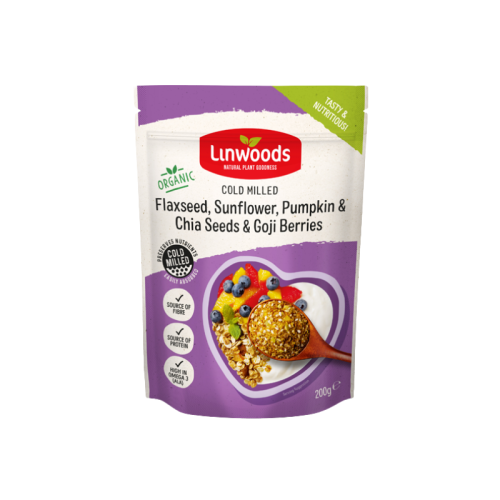
- Natural Selection Milled Chia Seeds 200g – Milled chia seeds that can be easily added to smoothies, porridge or baking mixes.
Chia seeds have a mild flavour and can be added to a wide range of foods. If you're looking for ideas on how to use them in meals, see our guide on how to eat chia seeds.
Frequently asked questions about chia seeds
What are chia seeds good for?
Chia seeds are valued for their fibre content, plant-based omega-3 fats and minerals. Many people include them in meals to help increase their intake of these nutrients.
Are chia seeds healthy?
Chia seeds contain several nutrients that support normal body functions. When eaten as part of a balanced diet, they can be a nutritious food addition.
Can you eat chia seeds every day?
Many people include chia seeds in their daily meals in moderate amounts, typically around 1–2 tablespoons.
Do chia seeds have side effects?
Eating very large amounts of chia seeds may cause digestive discomfort due to their high fibre content. Consuming them in moderate portions and drinking water can help minimise this.
Can chia seeds be eaten raw?
Chia seeds can be eaten raw, but they are often mixed with liquid or added to foods like yoghurt, smoothies or porridge.
Are milled chia seeds better than whole chia seeds?
The nutritional difference between milled chia seeds and whole chia seeds is small. Milling breaks down the outer shell, which may make some nutrients marginally easier to absorb. Soaking whole chia seeds in liquid achieves a similar result.
The main practical difference is texture. Milled seeds blend more smoothly into porridge, smoothies and baked goods, while whole seeds work better in recipes like chia pudding where the gel-like texture is part of the dish. Both are a useful addition to a balanced diet.
Do chia seeds help with sleep?
Chia seeds contain magnesium and tryptophan, both of which play a role in normal sleep regulation. Magnesium contributes to normal psychological function, while tryptophan is used by the body to produce melatonin, which regulates the sleep-wake cycle.
There is no strong evidence that chia seeds alone will improve sleep. However, they can contribute to your intake of these nutrients as part of a varied diet.
Are organic chia seeds better than regular chia seeds?
Organic chia seeds and non-organic chia seeds have the same nutritional profile. The difference is in how they are grown. Organic chia seeds are produced without synthetic pesticides, artificial fertilisers or GMOs, under certified organic farming standards.
Whether to choose organic depends on your preferences around farming practices. If avoiding synthetic agrochemicals is important to you, organic is the better option. Grape Tree's organic chia seeds are certified organic and available in a range of sizes.
Final Thoughts
Chia seeds are a small ingredient with an impressive nutritional profile. They provide fibre, plant-based omega-3 fatty acids and several minerals that contribute to a balanced diet.
While they are not a miracle food, they can be a convenient and versatile way to add extra nutrients to everyday meals when eaten in moderation.