Photo Credit: "© [Stocksy] / Adobe Stock
January can feel like it’s dragging on for eternity with what seems like gloomy day after gloomy day. Not to mention the cold! It’s around this time that everyone seems to catch anything from the sniffles to a more serious virus like the flu.
The good news is, there are plenty of things you can do to reduce your risk of getting ill, and one of them is using the right supplements to support your health.
By the end of this article, you’ll be up to date on the best vitamins and minerals to take throughout January, why they work, and what they can prevent. Plus, some additional nourishing foods you can eat to lower your risk of getting sick in winter.
Why it’s important to take supplements during winter

Photo Credit: "© [Vadym] / Adobe Stock
January is known for its limited sunlight, cold weather, and post-holiday fatigue, all of which demand extra energy and can leave the body feeling run-down.
The shorter days reduce natural vitamin D production, and winter eating habits can make it harder to get all the nutrients you need. All of these things can impact your immune system, making it more difficult to fight off illness.
The best vitamins to take during January
Now you know why it’s essential to take supplements over winter, let’s get into the best ones and how they can defend your body against coughs and colds.
Vitamin D: Essential for Mood & Immunity
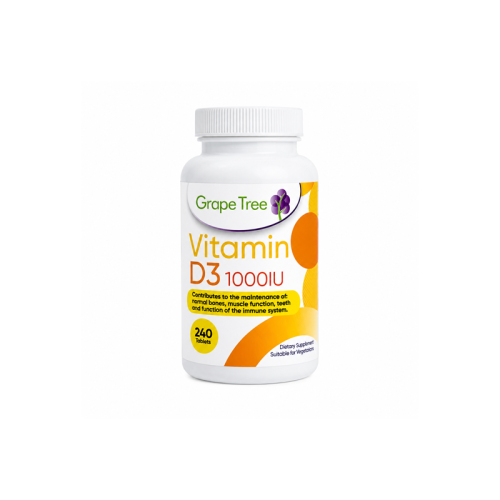
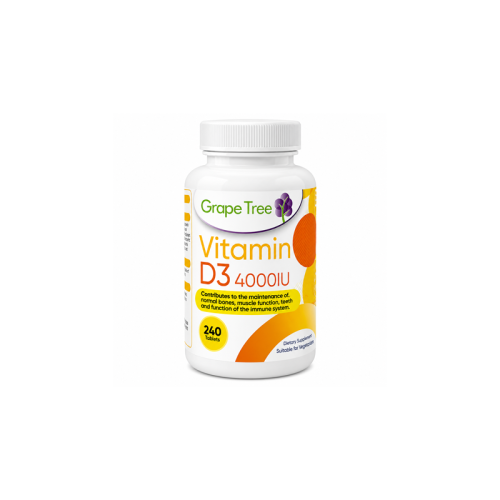
Vitamin D is often called the “sunshine vitamin,” and in winter, it’s one of the most vital supplements to consider. In the UK, sunlight isn’t strong enough between October and March for the body to produce sufficient vitamin D, and you also can’t get enough from food alone.
How vitamin D supports your body in winter
Vitamin D supports your immune system by boosting its defences (such as antimicrobial peptides) to fight infection and minimise inflammation. It also helps your body absorb calcium and phosphorus. These minerals are essential for helping immune cells function effectively, and they play a role in maintaining normal muscle strength throughout winter.
Vitamin D helps you feel more energised during low sunlight levels. This benefit can have a knock-on effect of giving you the energy to exercise, another factor that helps your immune system. It also improves your mood, which can lead to feeling more up to positive habits like eating well and getting fresh air.
Best vitamin D supplements to use
Foods to support vitamin D
- Fish oils
- Fortified cereals
- Orange Juice
Vitamin C: Immune Support & Antioxidant Protection
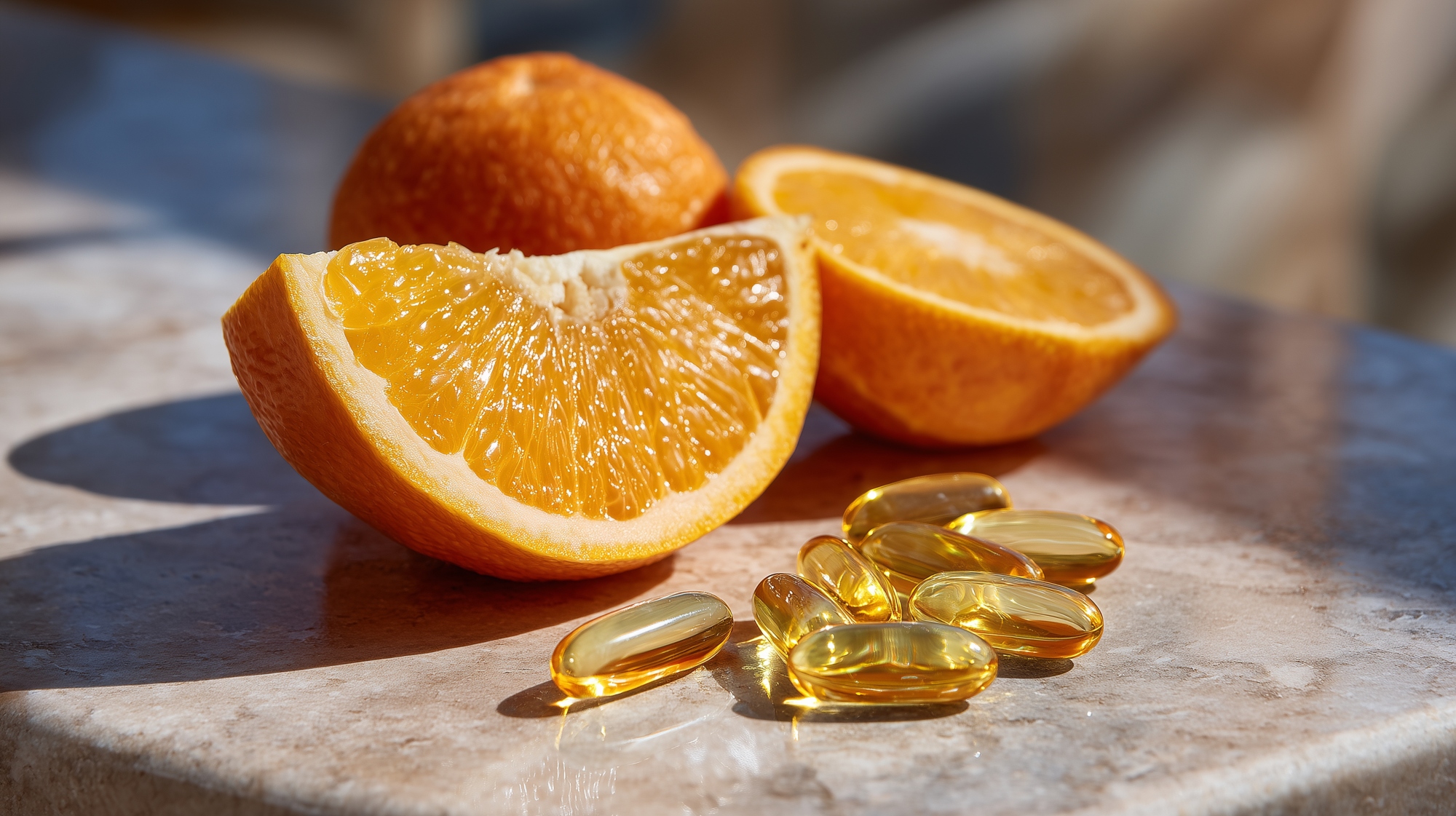
Photo Credit: "© [Maksym] / Adobe Stock
Vitamin C is an essential, water-soluble vitamin that your body can’t produce on its own, so you need to get it from food or supplements. Because it isn’t stored in large amounts, topping up your vitamin C regularly is important for everyday wellbeing.
How vitamin C supports your body in winter
Vitamin C supports your immune system by strengthening your body’s natural barriers and helping immune cells work more efficiently to fight off everyday infections. It acts as a powerful antioxidant, protecting cells from oxidative stress while supporting the production of white blood cells that defend against illness.
Vitamin C also helps your body absorb iron from plant foods, which plays a role in maintaining healthy energy levels. Beyond immunity, vitamin C can help reduce fatigue and support overall vitality, making it easier to stay active and motivated during winter.
Best vitamin C supplements to use
Foods to support vitamin C
Magnesium: Stress & Sleep Support

Photo Credit: "© [LAB IMAGE] / Adobe Stock
Magnesium is one of the most underrated minerals for winter wellbeing. It plays a role in hundreds of biochemical reactions in the body and is especially helpful when stress levels rise.
How magnesium supports your body in winter
Magnesium looks after your immune system by helping regulate inflammation and activating enzymes that immune cells rely on to function properly. Magnesium also supports healthy sleep, which can be harder to maintain during winter when shorter days and increased artificial light can disrupt your natural rhythm.
By promoting muscle relaxation and calming nerve signals, magnesium helps ease tension and encourage deeper rest. Better sleep supports steady energy levels and reduces fatigue, creating a knock-on effect that helps strengthen your body’s defences against seasonal coughs and colds.
Best magnesium supplements to use
Foods to support magnesium
Omega-3: Brain, Heart & Mood Support
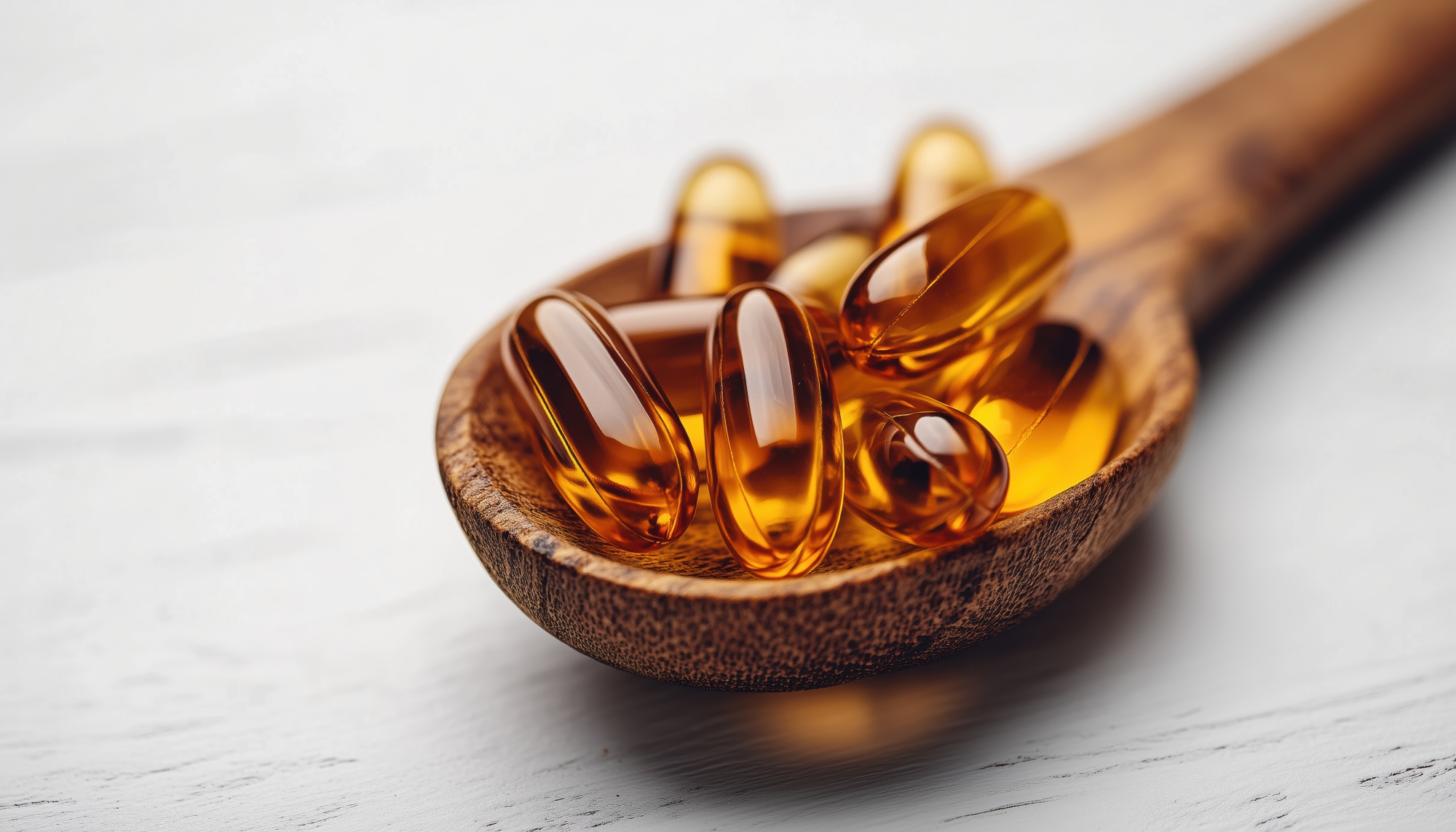
Photo Credit: "© [Liliia] / Adobe Stock
Omega-3 fatty acids are particularly valuable during winter when mood dips and inflammation may increase.
How omega-3 supports your body in winter
Omega-3 bolsters your immune system by regulating inflammation and keeping immune cells working efficiently. This is especially important during winter when your body uses more energy to stay warm from the cold.
It also plays a key role in heart and brain health, by encouraging circulation when you may not be as active and helping nutrients move around the body more effectively.
Best omega-3 supplements to use
Foods to support omega-3
- Omega seed mix
- Pumpkin seeds
- Quinoa
- Chia seeds
- Flax seeds
Iron: Energy Levels & Oxygen Transport

Photo Credit: "© [Pixel-Shot] / Adobe Stock
Iron is essential for maintaining energy, especially during winter when fatigue can be more noticeable, which can lead to a run-down immune system.
How iron supports your body in winter
Iron supports your immune system by helping your body produce healthy red blood cells, which carry oxygen to your tissues and organs so they can function at their best. This steady oxygen supply plays an important role in maintaining energy levels and reducing fatigue, something many people struggle with during winter.
Iron also contributes to normal cognitive function and helps you feel more resilient day to day. This makes it easier to stay active, focused, and motivated to keep up nourishing habits like balanced meals, movement, and rest.
Best iron supplements to use
Foods to support iron
Get your vitamins and supplements with Grape Tree
Winter may feel long, but supporting your body through January doesn’t have to be complicated. By combining targeted supplements like vitamin D, vitamin C, magnesium, omega-3, and iron with nourishing whole foods, you can help strengthen your immune system, lift your energy levels, and protect your wellbeing during the coldest months.