Photo Credit: "© [marilyn barbone] / Adobe Stock
January is the ultimate reset button. After indulgent festive weeks, shorter days, and sugar-heavy treats, many of us feel ready for a clean slate.
Enter the January Healthy Eating Challenge: a feel-good approach to food that’s all about eating well, not through restriction, but by rebuilding nourishing habits. Read on for the best foods to prioritise, the benefits they bring, and practical ways to get that January refresh.
What is the January Healthy Eating Challenge?
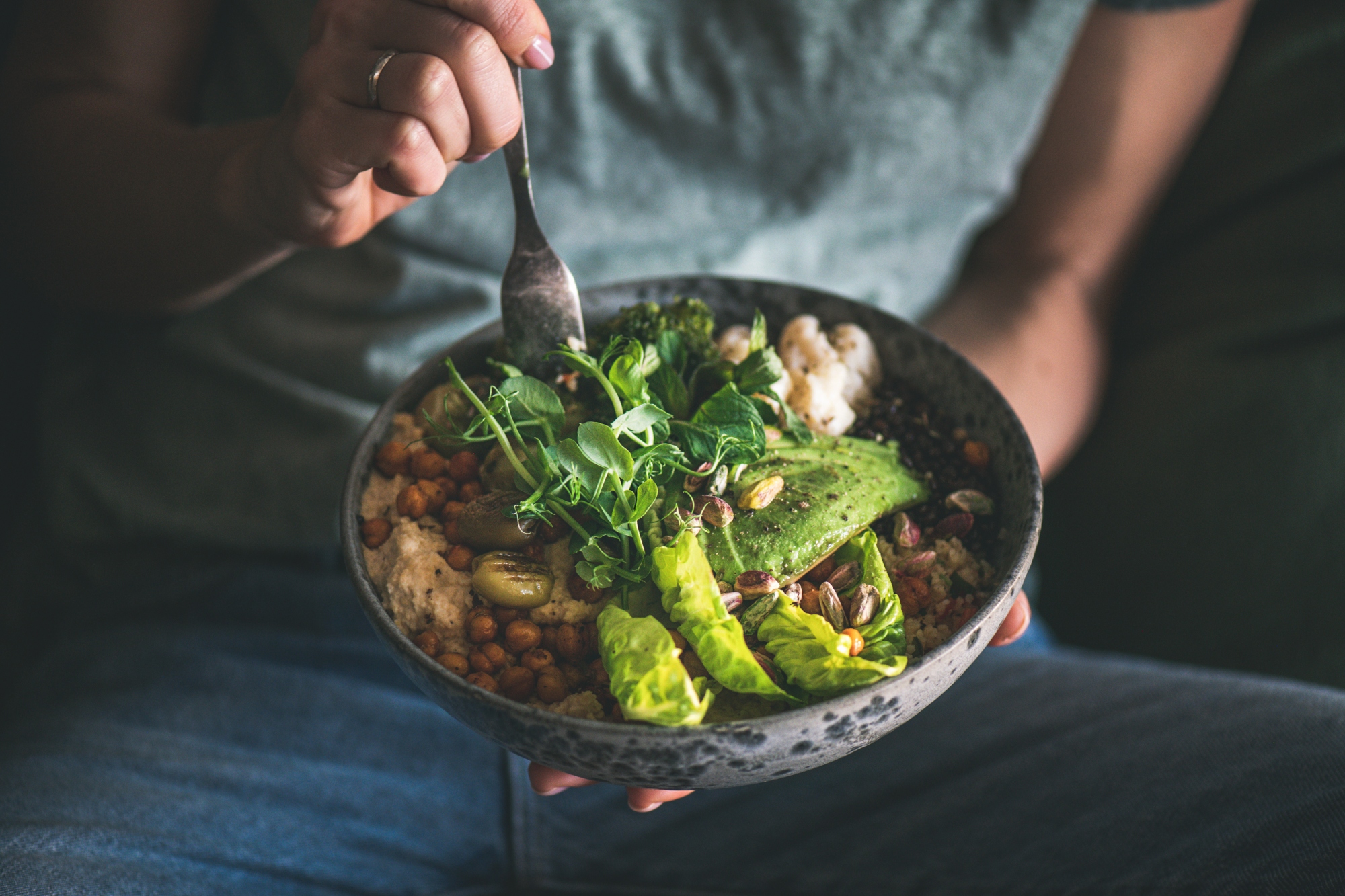
Photo Credit: "© [Sonyakamoz] / Adobe Stock
The January Healthy Eating Challenge is a gentle reset of your diet. It focuses on reducing processed foods and choosing whole foods throughout the month. The switch gives you a variety of nutrients, and some people also use the opportunity to try a plant-based diet (check out our blog post on how to prepare for Veganuary).
Why January is the perfect time to reset
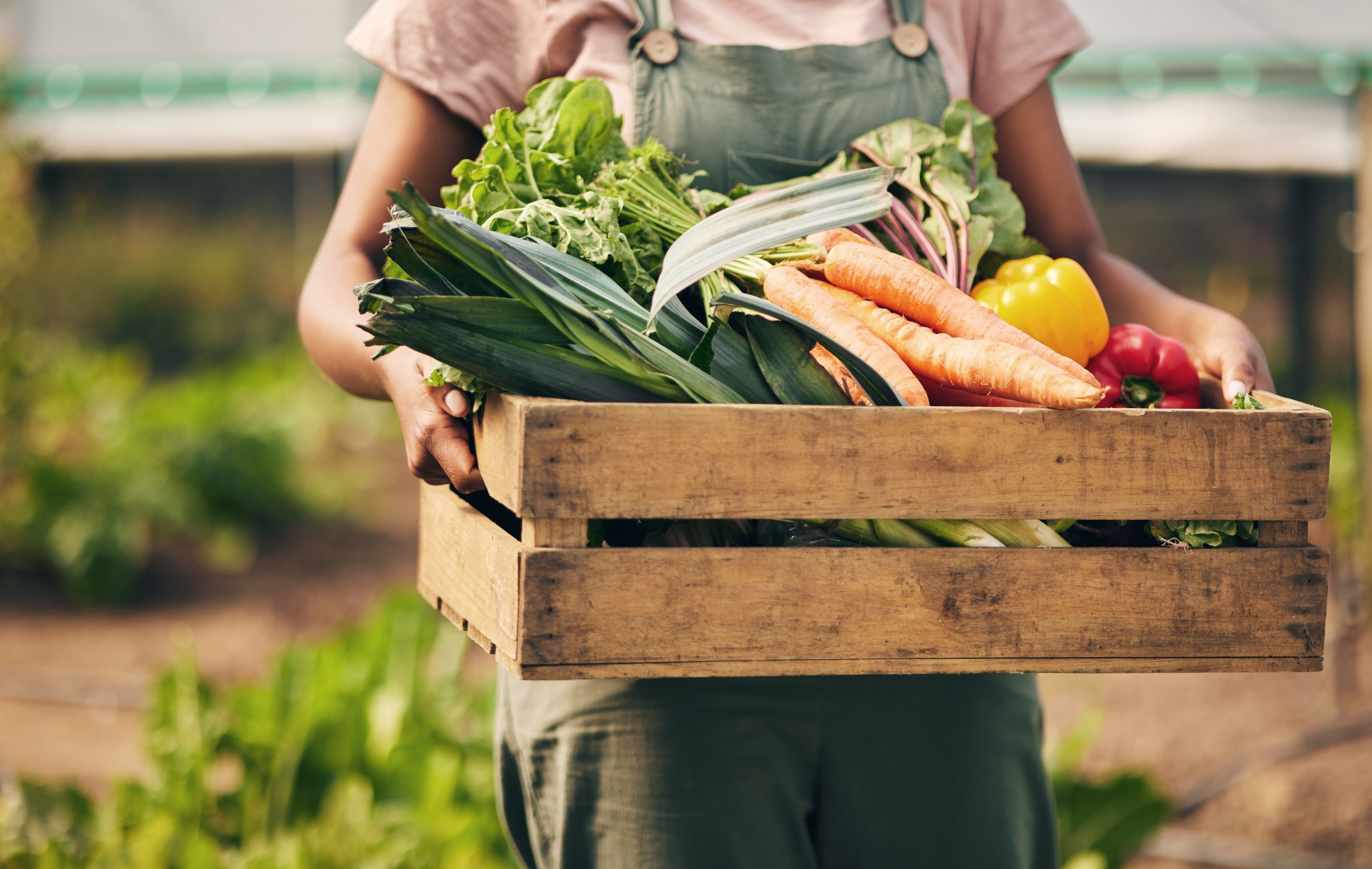
Photo Credit: "© [Charlize Davids/peopleimages.com] / Adobe Stock
Christmas and New Year are a time for celebration, and that often includes drinking alcohol, overeating, lots of chocolate, and lie-ins. It’s no wonder that you end up feeling lethargic and bloated, and after the holidays are over, your body often craves balance.
Whole foods are rich in fibre, healthy fats, and micronutrients, which are a great way to detox and rebalance. They help stabilise energy levels, support digestion, and reduce the sugar spikes that leave you feeling sluggish.
January is also an excellent opportunity to build momentum. Fresh routines feel more achievable, and small wins, like preparing a nourishing lunch or choosing a fibre-rich snack, quickly add up.
Foods to focus on during the challenge (and why they matter)
Stocking your kitchen with the right ingredients makes healthy choices feel effortless. Here are some hero foods to include during your January Healthy Eating Challenge:
Dried fruit: natural sweetness with benefits
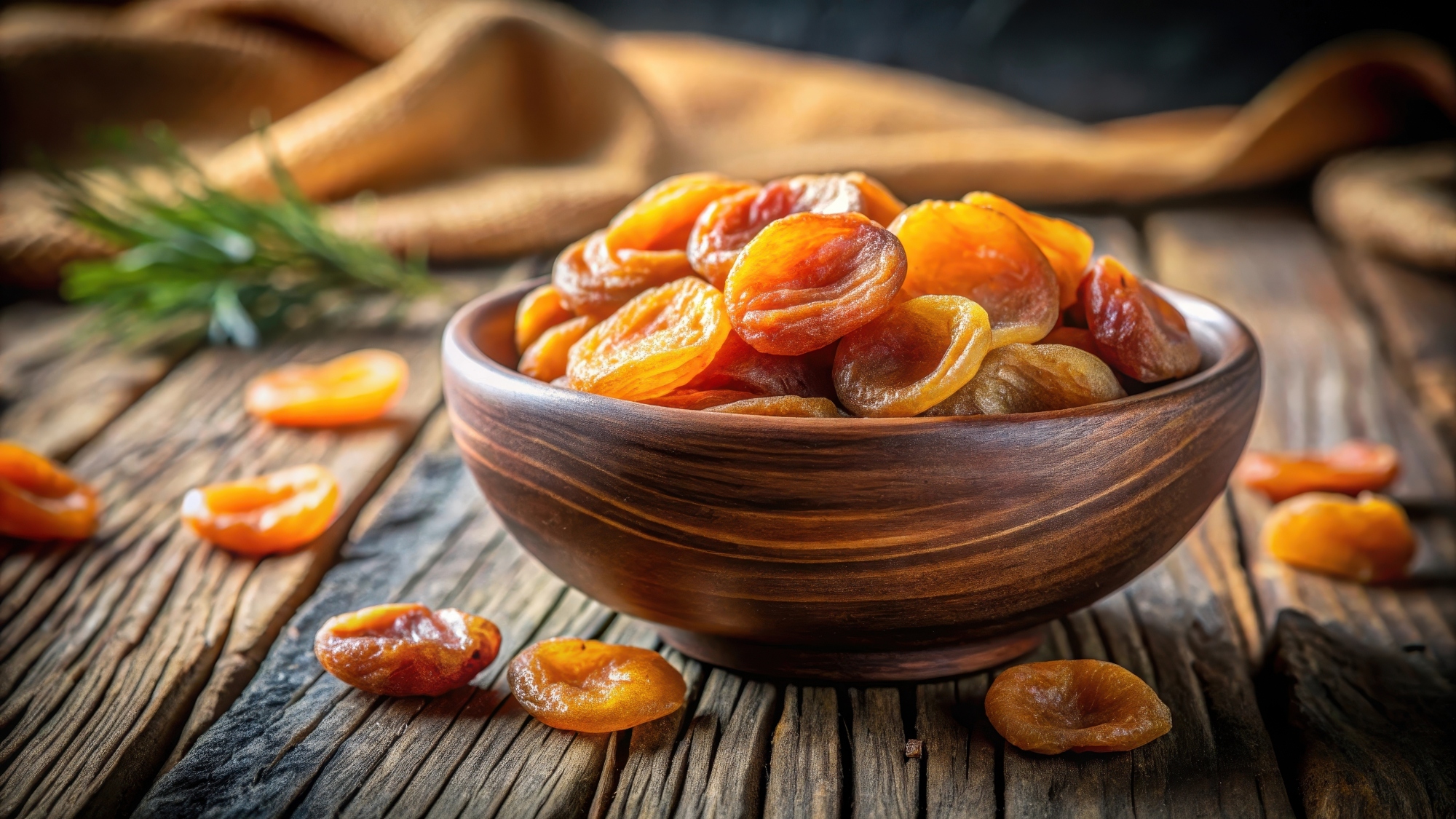
Photo Credit: "© [Nasnunt) / Adobe Stock
Dried fruits are brilliant for easing sugar cravings without going cold turkey. Here are our favourites:
Apricots
Naturally sweet and rich in fibre, apricots support digestion and provide vitamin A for skin and immune health. They’re perfect chopped into porridge or paired with nuts for a balanced snack.
Read more: The Nutritional Value of Dried Apricots.
Pitted prunes
Pitted prunes are well known for digestive support thanks to their fibre and natural sorbitol content. They’re also rich in antioxidants and potassium, making them a great addition to breakfasts or energy bites.
Raisins
Small but mighty, raisins provide quick energy, iron, and polyphenols. Add them to salads, grain bowls, or a trail mix for a natural sweetness boost.
Sun-dried cherries
Tart and vibrant, sun-dried cherries are packed with antioxidants that support recovery and overall well-being. They’re especially good in yoghurt, granola, or baked goods.
Nuts: healthy fats for sustained energy
Nuts are a cornerstone of whole-food eating, and we have a wide variety that you can choose from for a nutrient-rich January.
Walnuts
Walnut halves and pieces are rich in omega-3 fatty acids, which support heart and brain health. Sprinkle them over salads, blend into pestos, or enjoy as a satisfying snack.
Recipe idea: Vegan Mushroom Tart With Walnuts.
Pecans
Naturally buttery and rich in antioxidants, pecan pieces add indulgence without ultra-processed ingredients. They’re great in porridge, baking, or roasted with spices.
Cashews
Raw whole cashews provide magnesium, zinc, and healthy fats that support energy production and immunity. Use them in stir-fries, snacks, or blend them into creamy sauces.
Recipe idea: Creamy Cashew Pasta
Hazelnuts
Fresh, crunchy, and nutrient-dense, raw hazelnuts are rich in vitamin E, which supports skin and cell health. Try toasting them lightly to enhance their flavour.
Seeds and grains: fibre for balance and gut health
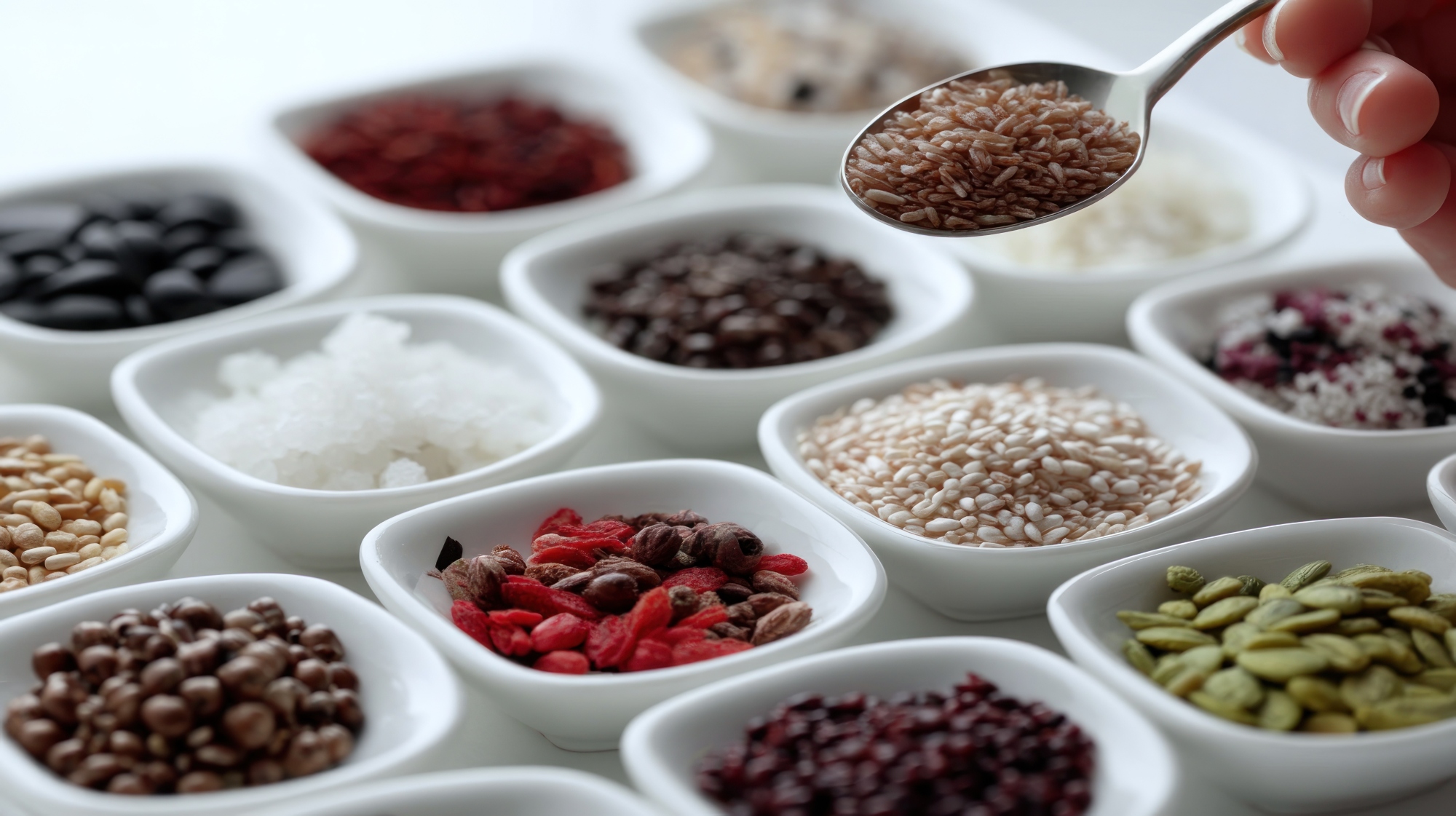
Photo Credit: "© [wikkie) / Adobe Stock
Seeds and grains are a simple way to add fibre and texture to everyday meals. They help support gut health, keep energy levels steady, and make meals more satisfying without much effort.
Pumpkin seeds
Pumpkin seeds pack a punch with zinc, magnesium, and protein. They’re excellent for immune support and make a great crunchy topping or snack.
Read more: The Health Benefits of Eating Pumpkin Seeds
Omega seed mix
A blend of omega seed mix delivers fibre, plant-based omega fats, and minerals that support digestion and heart health. Add to yoghurt, smoothies, or salads for easy nourishment.
Quinoa
A complete plant protein and fibre-rich grain, quinoa is ideal for meal prep. Use it as a base for salads, bowls, or warm meals throughout the week.
Recipe idea: Quinoa, Roast Veg And Toasted Cashew Power Salad.
Tip: You can combine a variety of grains into one healthy meal, like our hearty soup mix, which contains yellow split peas, green split peas, pear barley, red split lentils, and barley flakes.
How to stay on track during your January eating challenge
Staying consistent can be the hardest part of any new routine, especially when life gets busy. Read on for simple, realistic strategies to help keep the momentum.
Meal plan and prep

Photo Credit: "© [irawan710) / Adobe Stock
Preparation is one of the biggest predictors of success. Plan 3 - 4 core meals for the week and batch cook quinoa, soups, or roasted vegetables. Snacks can also trip you up when you’re hungry and needing food, so prep snack boxes with nuts, seeds, and dried fruit.
Increase plant-based ingredients
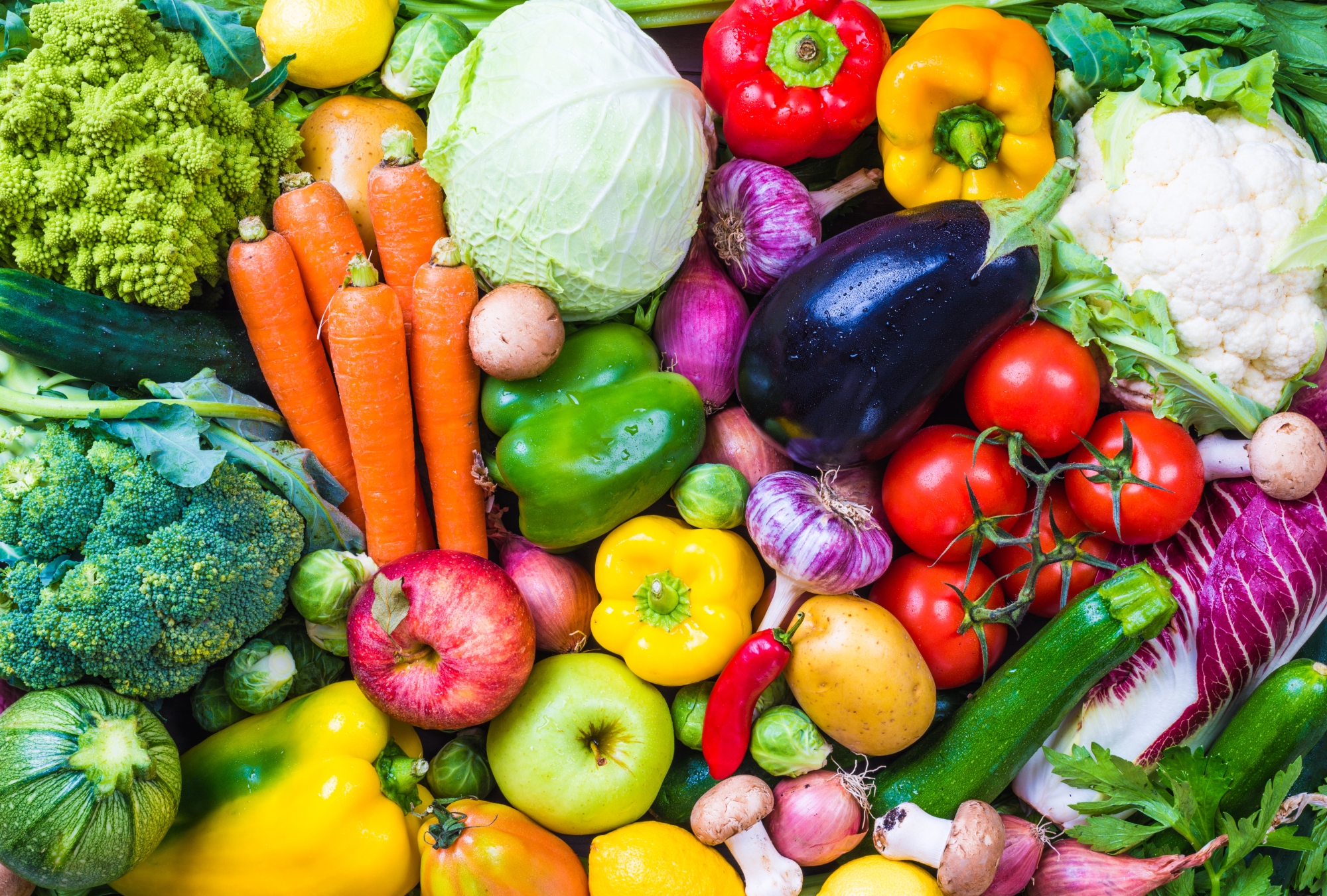
Photo Credit: "© [travelbook) / Adobe Stock
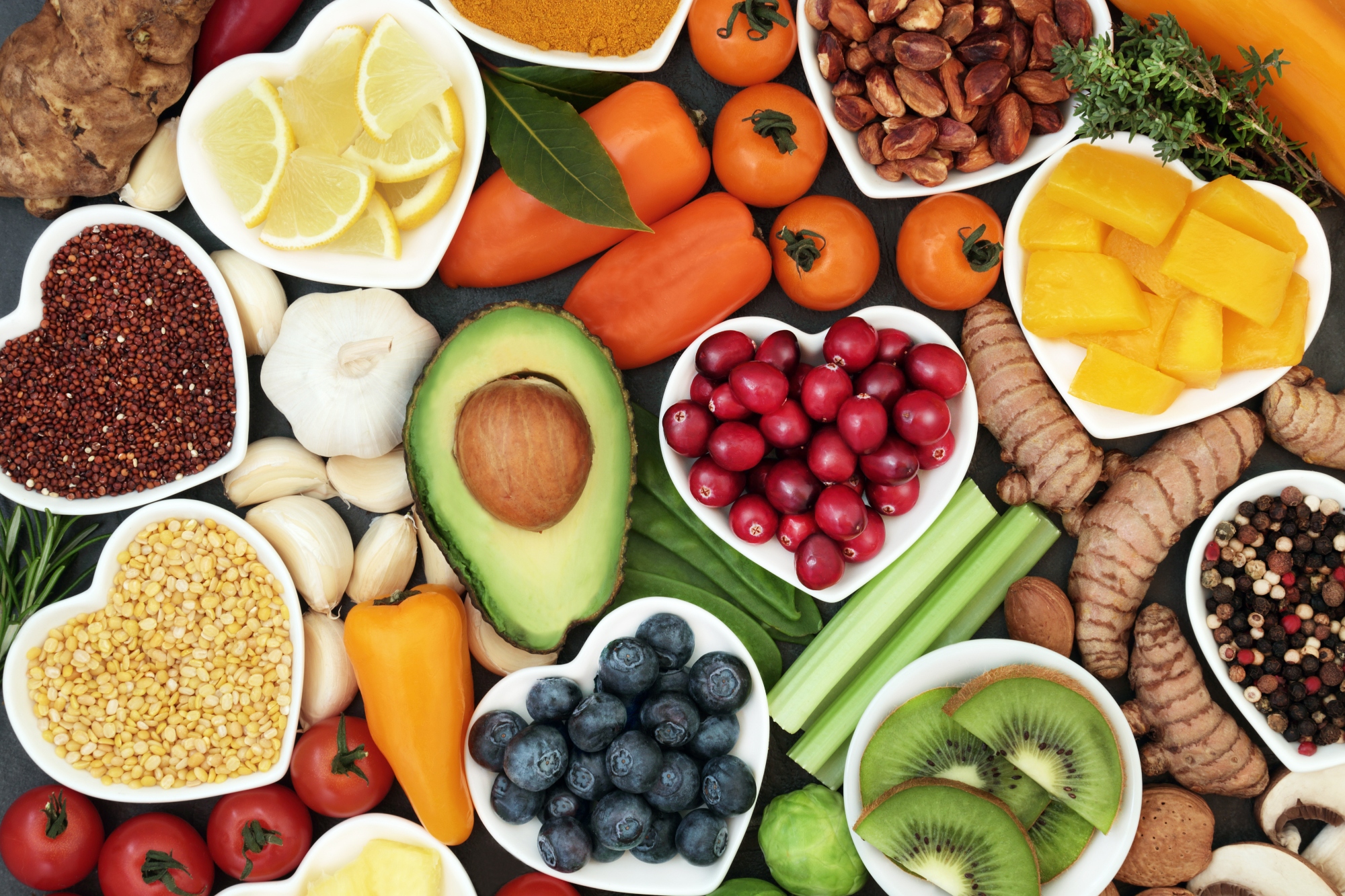
Plant-based foods are packed with fibre, which helps you stay full for longer and avoid quick and “convenient” meals, which often contain a lot of salt and sugar. Aim to include a variety of plant foods across the week. Different colours and textures mean a wider range of nutrients for gut health, immunity, and energy.
A fun way to do this is to “eat the rainbow” (and we’re not talking about Skittles). Aim to get red, orange, yellow, green, blue, purple, and white/brown coloured plant-based options into your diet throughout the week
For example, strawberries (red), banana chips (yellow), and spirulina (green). It’s an easy way to keep track of achieving enough variety and is great for kids if you’re doing a healthy reset for the whole family.
Read more: 5 Plant-Based Proteins You Need To Know.
Cut back on sugar (without cutting joy)
If you love cake or chocolate, getting rid of sweet snacks can feel too restrictive and lead to a sugar binge. Instead of eliminating sweetness completely, swap refined sugars for naturally sweet foods like dried fruit and pair them with nuts or seeds to help keep blood sugar balanced. You can also try our sugar-free treats.
Read more: 5 Helpful Ways To Cut Down On Sugar Cravings
Stay hydrated & get more sleep

Photo Credit: "© [Ismaile) / Adobe Stock
People often feel hungry when really they’re dehydrated. So, make sure you drink plenty of water, about 2 litres a day, by keeping a water bottle nearby. A lack of sleep can also cause unhealthy cravings and lead to poor decisions, like grabbing a chocolate bar instead of a trail mix. So, make sure you’re getting 8 hours of sleep a night
Make it fun (and flexible)
The January Healthy Eating Challenge works best when it feels enjoyable. Experiment with new recipes, try different combinations of nuts and dried fruits, and celebrate progress, not just outcomes.
Your January reset starts with Grape Tree
We offer a wide range of whole foods like apricots, prunes, nuts, seeds, and quinoa to feel energised, balanced, and ready for the year ahead. Start small and watch the challenge develop into healthy habits you’ll want to keep well beyond January.