Photo Credit: "© [A2Z AI] / Adobe Stock
For years, protein has been one of the biggest talking points on social media and in the world of nutrition. Protein bars, protein powders, protein coffee, and even high-protein candy have been dominating the supermarket shelves. And while protein is still crucial for a healthy lifestyle, another nutrient is coming into the spotlight: fibre.
Although you may have had fibre on your radar for a while, you might not truly know why it’s important. So, we’re taking a closer look at why fibre is gaining popularity, its role in the body, and whether you should switch your focus from protein to the rise of fibre.
Why is everyone suddenly talking about fibre?
Fibre isn't exactly a new discovery, but it catapulted to the forefront of social media with the TikTok trend, “fibremaxxing.” But why exactly did fibremaxxing become popular in the first place?
Fibre for gut health
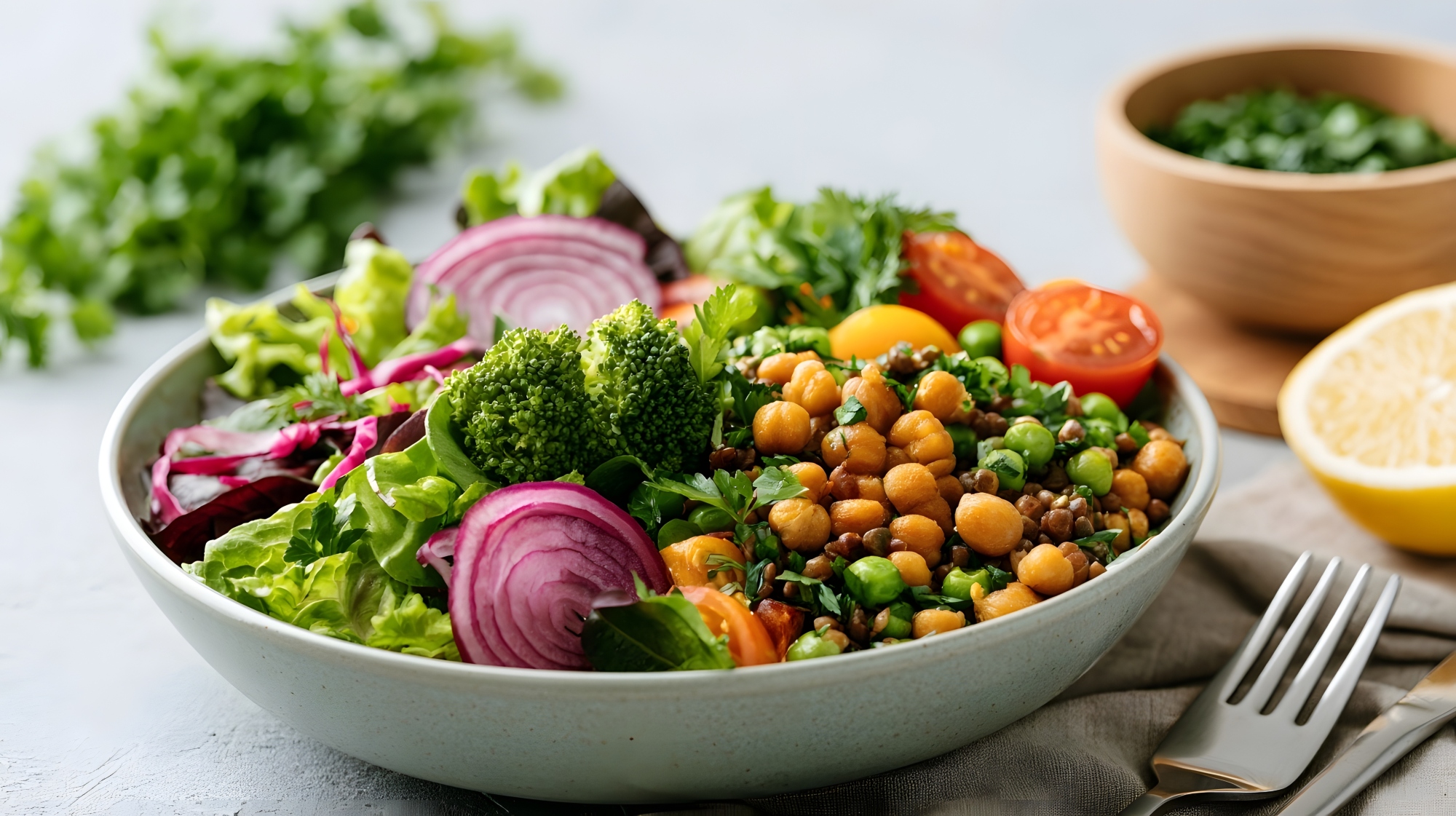
Photo Credit: "© [Bussakon] / Adobe Stock
Awareness around gut health has been steadily increasing over the years. Before, the gut was simply seen as a part of the body that digested food. But now there is a better understanding of microbiome diversity and the gut's connection to overall health.
Previously, the conversation circled around feeding your microbiome with probiotics for your gut health, including foods such as the gut-loving superfood, sauerkraut. Alongside kefir water, kombucha, and kimchi. However, it’s expanded to include the essential role of fibre in the gut and its effects beyond digestion.
Liver health
Unless you drank alcohol, smoked, or were 40+, liver health wasn’t a subject that occupied the wellness niche. However, since health trackers have been gaining popularity, more people are concerned with overall wellness and vitality.
This type of health monitoring often includes blood work, which reports back on essential organ health, including the liver. And what’s critical for a healthy, functioning liver? You guessed it - fibre.
The link between fibre & GLP-1
There’s been a huge increase in interest in GLP-1 medications for weight loss and appetite control. This has sparked a search for more natural ways to support the body’s own GLP-1 production and “natural GLP-1 foods.” Fibre falls into this category, as certain types of fibre are fermented by gut bacteria, producing short-chain fatty acids that can stimulate GLP-1 secretion.
The nutritional gap

Photo Credit: "© [Jacob Lund] / Adobe Stock
Another reason for the interest is that many people don’t consume the amount of fibre they need. Adults require around 30g of fibre a day, but 96% of people in the UK don’t get enough! You could be hitting 80+ grams of protein a day, but without your fibre, there’s a big nutritional gap.
There's also been a social shift away from looking at individual nutrients. Rather than just wondering whether a food is low in calories or high in protein, more of us want to know what a food can offer overall. For example, balanced insulin, better focus, enhanced sleep, and more energy.
Read more: Filling The Fibre Gap
The difference between protein and fibre

Photo Credit: "© [Sea Wave] / Adobe Stock
Protein is made up of amino acids, which your body needs to build and repair tissues. It's particularly important for maintaining muscle, but it also plays a role in hormones, enzymes, and immune function.
Read more: The Best Plant-Based Protein Tips For Vegans
On the other hand, fibre (or dietary fibre) is a type of carbohydrate found naturally in plant foods. There are two main types: soluble and insoluble fibre.
Soluble fibre dissolves in water and forms a gel-like substance in the digestive tract. Insoluble fibre doesn’t dissolve in water and helps add bulk to your stools, supporting normal bowel movements.
Why is fibre so important?
Fibre is best known for supporting digestion, but its health benefits don’t just stay in your stomach. It plays a critical role in the overall health of your body.
Improves gut health
We’ve already touched on fibre and gut health, but how exactly does fibre help your digestive system?
Certain types, particularly fermentable fibres, pass into the large intestine. Your gut bacteria then break them down and produce short-chain fatty acids such as butyrate. These compounds help fuel the cells lining your colon and support the gut barrier.
A strong gut barrier prevents things like leaky gut syndrome and supports better nutrient absorption from your stomach to your bloodstream.
Other types of fibre, such as insoluble fibre, add bulk to stools and help move waste through the digestive tract, supporting regular bowel movements. This reduces inflammation, bloating, and stomach discomfort.
Supports heart health
Fibre can support heart health in several ways, particularly soluble fibre. It binds to bile acids in the digestive tract, helping the body remove cholesterol. This potentially lowers LDL cholesterol levels in the blood, reducing the risk of heart attacks.
Read more: 10 Good Foods That Fight High Cholesterol
Better liver health
Fibre lends a helping hand to healthy blood glucose and cholesterol levels, which are important for maintaining normal liver function. Higher fibre intake has also been linked to a lower risk of metabolic dysfunction-associated steatotic liver disease (MASLD), a condition where excess fat builds up in the liver.
Helps you feel fuller
Fibre-rich foods can help you feel satisfied after meals. They often take longer to eat and digest, particularly when they're paired with protein, healthy fats, and other nutrient-rich foods. Soluble fibre absorbs water and forms a gel in the stomach, which can slow gastric emptying and the release of nutrients into the small intestine. That means less chance of snacking or overeating.
FAQs about fibre
1. What foods are highest in fibre?
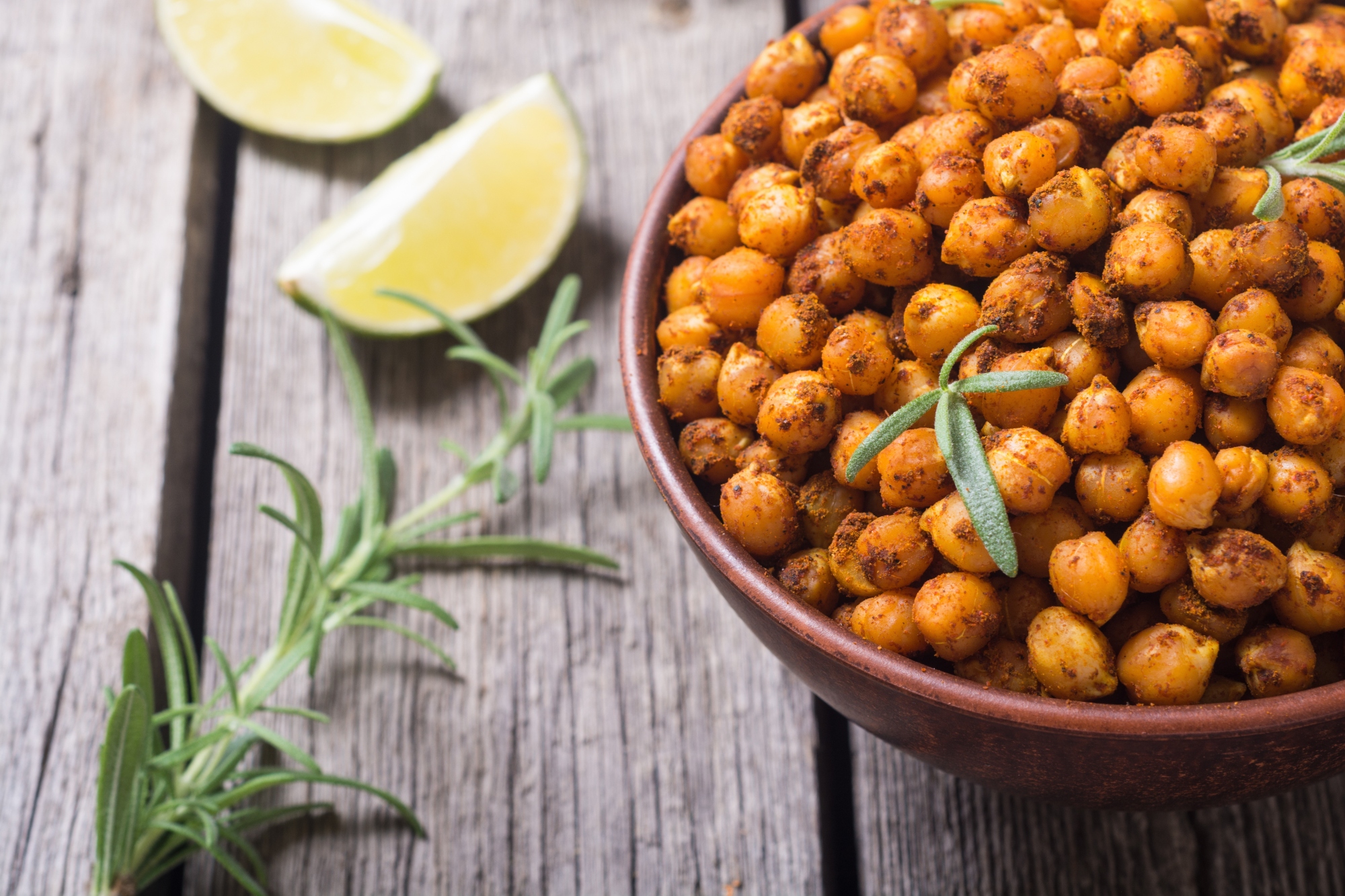
Photo Credit: "© [whitestorm] / Adobe Stock
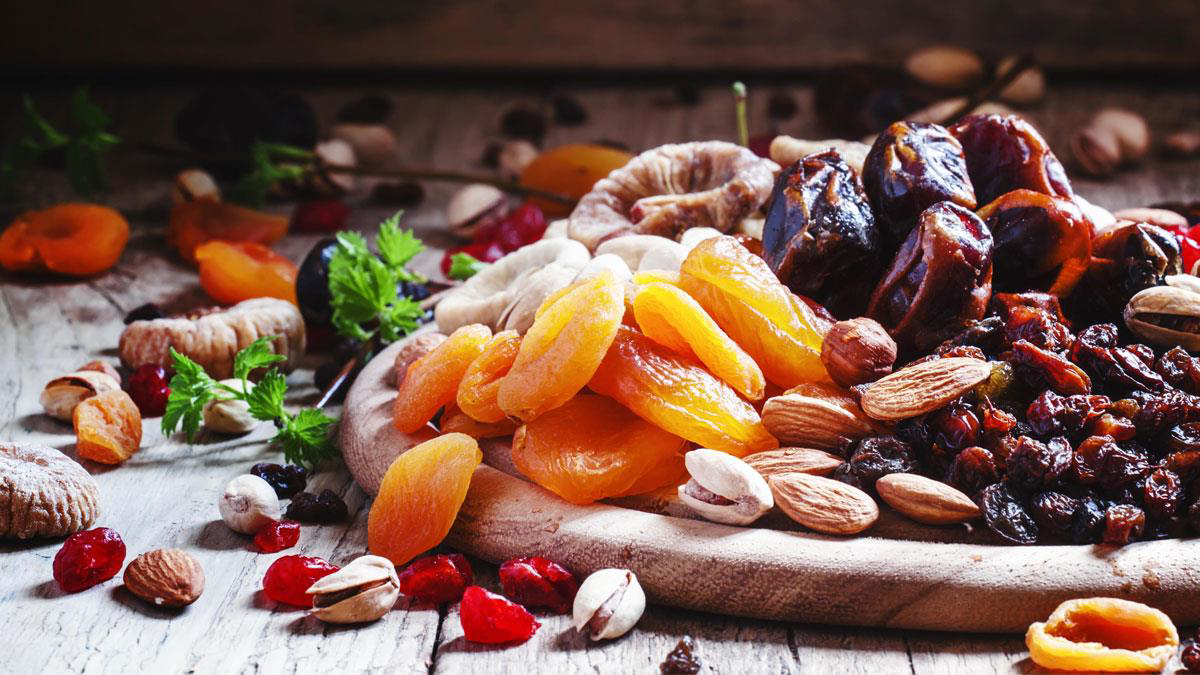
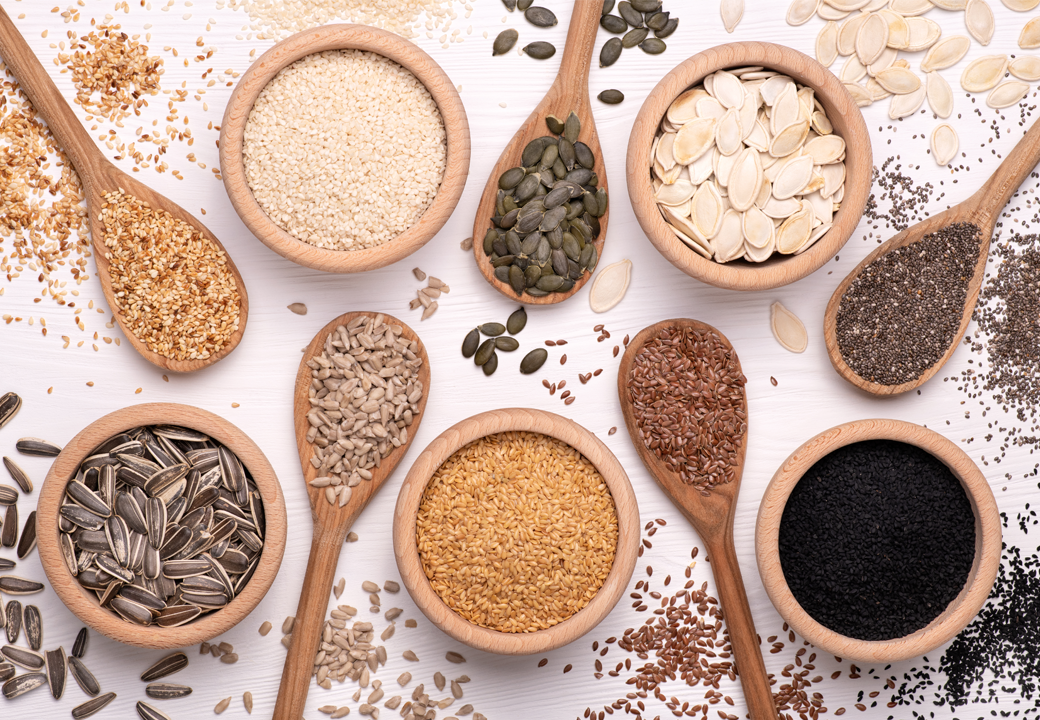
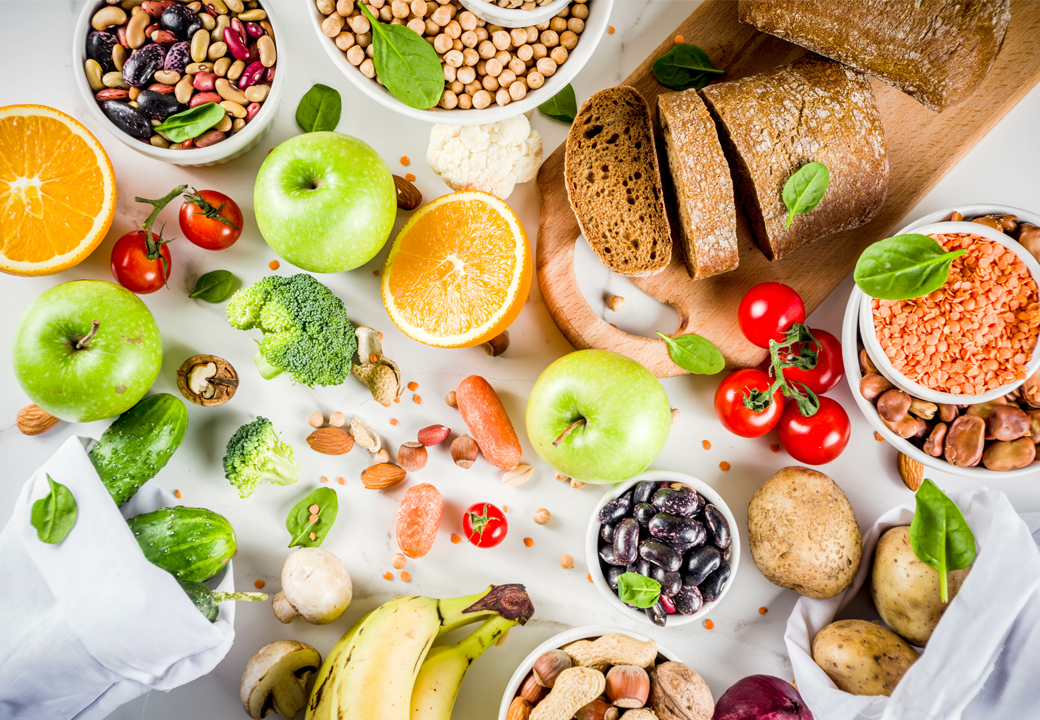
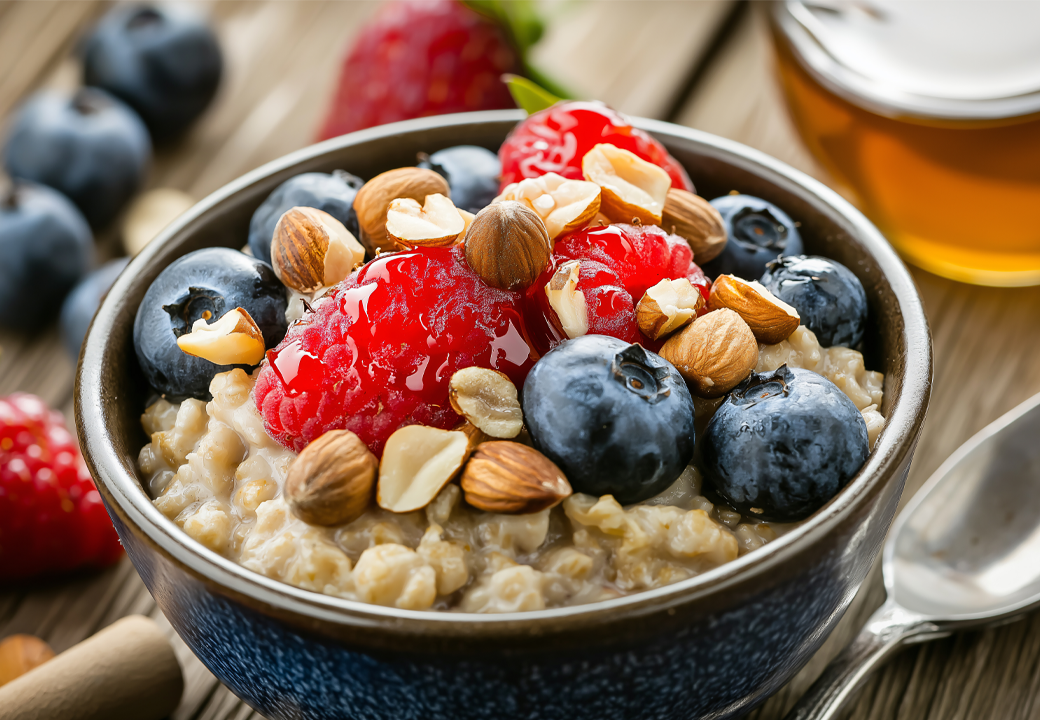
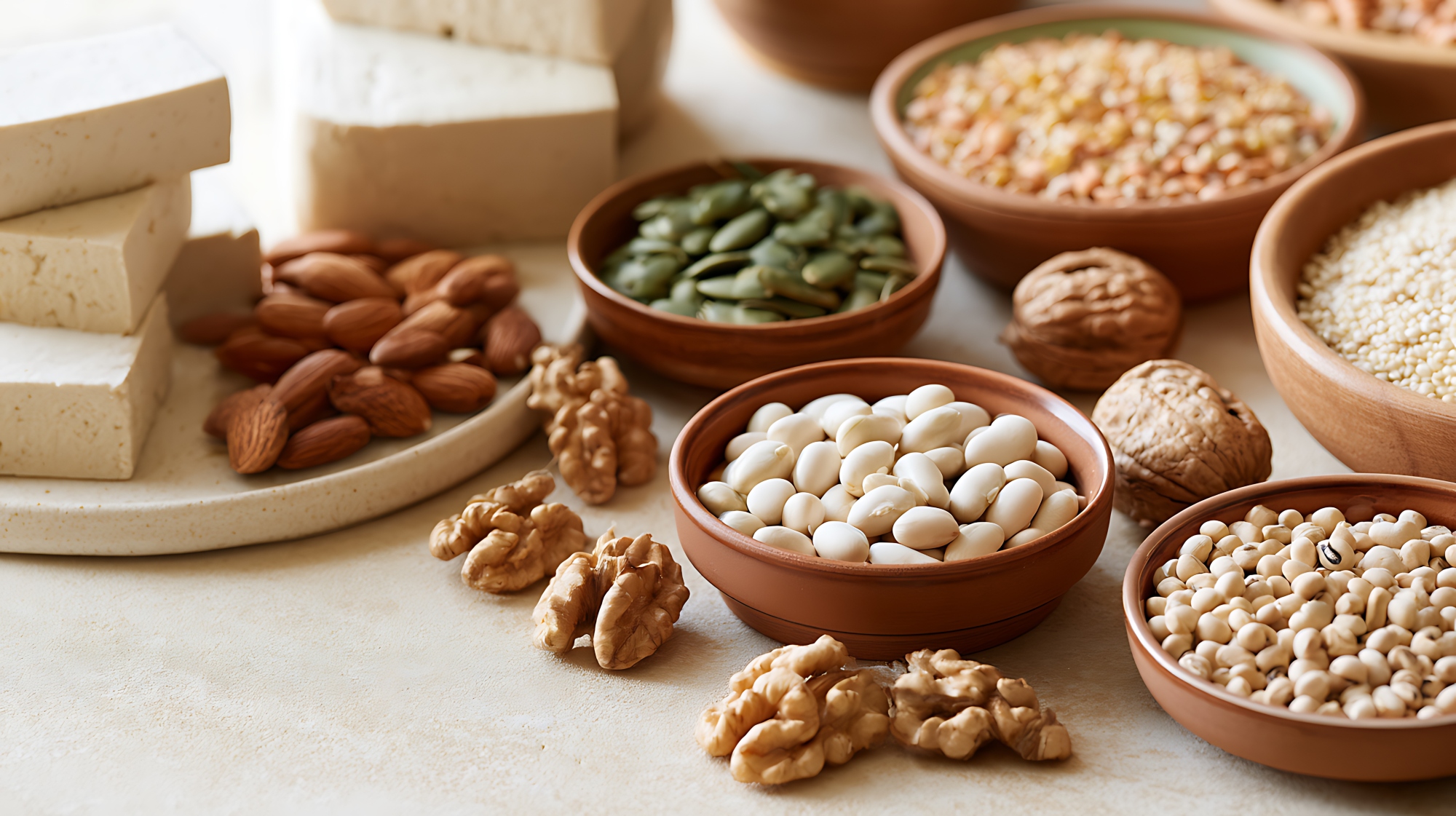
Some of the highest fibre foods include beans, lentils, chickpeas, peas, wholegrains, chia seeds, flaxseeds, nuts, berries, and certain fruits and vegetables. Eating a variety of these foods throughout the day is a simple way to increase your overall fibre intake.
Read more: Easy Ways To Get More Fibre In Your Diet
2. Is it better to get fibre from food or supplements?
For most people, food is the best place to start. Whole dietary fibre food sources provide fibre alongside other nutrients. A fibre supplement can be useful to close the gap, but it shouldn't be considered a replacement for a varied diet.
3. Can eating more fibre increase GLP-1?
Some types of dietary fibre may stimulate the body's natural GLP-1 release, particularly after they are fermented by gut bacteria into short-chain fatty acids. However, research is still developing, and the effects depend on the type of fibre and the individual.
So, is fibre the new protein?
Fibre is more like an emerging co-star to protein. Each has a different role in the body, and both are equally as important for a balanced diet. So, rather than swapping one wellness trend for another, focus on combining the two for a nutritional powerhouse.