Photo Credit: "© [New Africa] / Adobe Stock
Sleep has always been one of the pillars of good health, but recently, across social media platforms like TikTok, the term “sleepmaxxing” has taken off. If you’re a millennial or older, you might have missed the viral wellness trend (we don’t count it against you). Or, maybe you’ve heard of it, but you’re not sure what it entails or whether it’s a good thing.
We’re diving into what sleepmaxxing is, whether it’s worth trying, the potential downsides, and practical ways to improve your sleep quality naturally.
What is sleepmaxxing?
Sleepmaxxing is a wellness trend focused on optimising both the quality and quantity of sleep. It mainly revolves around influencers sharing elaborate bedtime routines, supplements, and “sleep hacks” designed to help people achieve the perfect night’s rest.
Many sleepmaxxing ideas are rooted in traditional sleep hygiene, which are habits that support healthy sleep patterns. However, sleepmaxxing focuses on maximising every aspect of sleep, regularly leaning toward extreme routines and expensive gadgets.
Should you do sleepmaxxing?
Photo Credit: "© [oatawa] / Adobe Stock
The good news is that the trend might be onto something, because it highlights that sleep matters. Quality sleep plays a vital role in overall wellbeing, influencing everything from brain function and mood to immune health and metabolism. A lack of sleep has also been linked to a decreased lifespan and may increase the risk of developing cancer. Taking that into consideration, there may be some sleepmaxxing habits that benefit you, especially if you struggle with sleep.
The problem with the sleepmaxxing trend
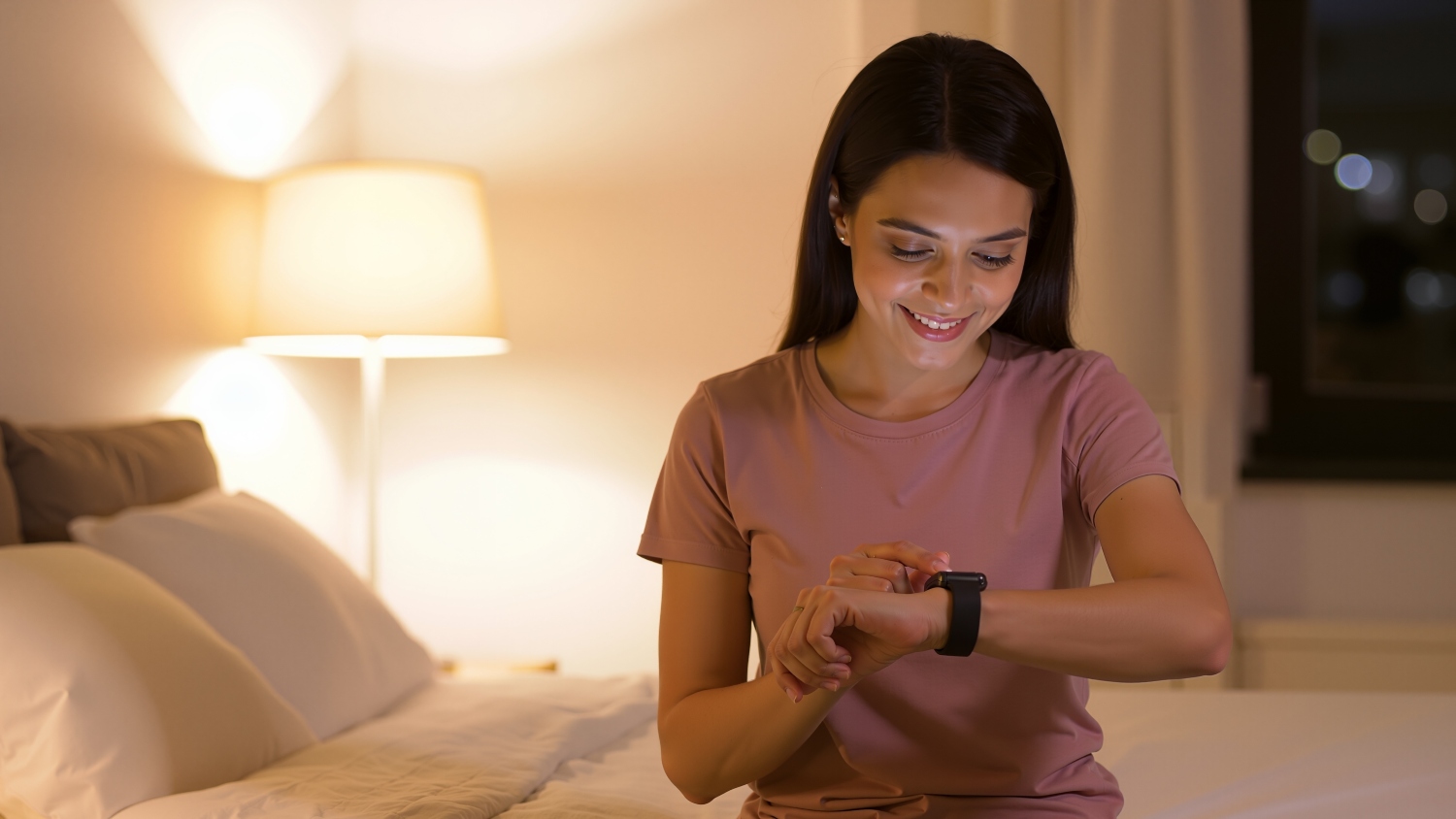
Photo Credit: "© [George] / Adobe Stock
Like many social media wellness trends, sleepmaxxing can become problematic when it’s taken to extremes. One major concern is that it can create pressure to achieve the “perfect” night’s sleep, which ironically can make sleep more difficult. Below are a few ways that can happen:
- Obsession with sleep trackers - Sleep experts use the term orthosomnia to describe an unhealthy obsession with perfect sleep data from trackers and apps. People constantly monitor their sleep scores or worry about their bedtime routines, which increases stress and anxiety, interfering with sleep.
- Unrealistic expectations - Social media often shows highly curated sleep routines that may be difficult to maintain in real life.
- Lack of scientific evidence - Some popular sleepmaxxing hacks, such as mouth taping or certain gadgets, have little research supporting them.
- Sleep anxiety - Focusing too much on sleep optimisation can create stress around bedtime, which may worsen insomnia.
Simple ways to improve sleep quality
Instead of chasing viral sleep hacks, focusing on a few evidence-based habits can make a significant difference to how well you sleep. Here are some gentle ways to support better rest.
Eat foods that contain magnesium
Magnesium is a mineral involved in hundreds of processes in the body, including those that regulate muscle relaxation and nerve function. Foods rich in magnesium can help support relaxation before bed and encourage a calmer nervous system. Some good options include:
Read more: Are Raw Organic Pumpkin Seeds Good For You?
Use bath salts to relax the body
Warm baths have long been used as a way to unwind and relax before bed. They help lower your body temperature afterwards, which signals to your brain that it’s time to sleep. You can elevate your evening baths by using bath salts to relax muscles and ease tension in the body.
Magnesium flakes, Epsom salts, and Dead Sea salt are great at enhancing sleep onset (how quickly you fall asleep). Try taking a bath an hour before bedtime and adding a good amount of salts (1-2 cups) for the best effect.
Consider anti-inflammatory supplements

Photo Credit: "© [amazing studio] / Adobe Stock
Anti-inflammatory supplements that contain healthy fats like flaxseed oil and fish oil support the body's melatonin production. Melatonin is the hormone responsible for regulating your sleep-wake cycle, also known as the circadian rhythm. If you don’t like taking supplements, you can also try adding oily fish to your diet or sprinkling flaxseeds over your porridge and blending them into smoothies.
Drink chamomile tea
Chamomile has been used for centuries as a natural remedy for relaxation and sleep. The herb contains a compound called apigenin, which interacts with receptors in the brain to promote calmness and drowsiness.
Drinking a warm cup of chamomile tea about 30-60 minutes before bed signals to your body that it’s time to wind down. It’s also a comforting ritual that can replace evening caffeine, sugary drinks, or alcohol, which lead to disturbed sleep.
Use adaptogens to manage stress

Photo Credit: "© [wasanajai] / Adobe Stock
Stress is one of the biggest barriers to quality sleep, but you can help manage it with adaptogens. Adaptogens are natural plant compounds, e.g., herbs, mushrooms, and roots. They regulate the body’s stress hormones, including cortisol, to rebalance the nervous system and promote calmness.
Adaptogenic mushrooms are a popular option, such as Lion’s mane, chaga mushroom, and reishi mushroom, which you can get in tinctures, powders, and capsules. They’re non-psychoactive, meaning you won’t get any psychoactive effects like hallucinations or euphoria.
The root ginseng is also a great option, as you can sip it as a tea during the day to decrease stress and promote better sleep at night.
Read more: Ashwagandha Or Lion's Mane: Which Is Better?
Minimise light & noise
Minimising light and noise in the evening makes a big difference to how easily you fall asleep. Bright lights and screens from phones, laptops, and TVs can interfere with melatonin production.
Switch off screens at least an hour before bed and replace them with soothing activities that help your mind unwind, like a warm bath, herbal tea, reading, or gentle stretching. Calming scents and sprays like magnesium sleep body spray can further contribute by relaxing muscles and releasing tension. Go to bed at the same time every night and use a sleeping mask and earplugs for a deep, uninterrupted sleep.
FAQs About Sleepmaxxing
1. Is sleepmaxxing scientifically proven?
The term itself hasn’t been formally studied in scientific research. However, many of the habits associated with sleepmaxxing, such as consistent bedtimes, a calming evening routine, and managing stress, are sleep hygiene practices supported by research.
2. How much sleep do adults actually need?
Most adults function best with 7-9 hours of sleep per night, but it depends on the gender and the individual. Women tend to need more sleep than men, especially during menstruation. However, if you sleep longer than 9-10 hours, it may be due to sleep debt, which is when your body has been deprived of sleep and is catching up.
There are some people who only need 6 hours of sleep, but it is extremely rare, and “functioning” on 6 hours is not the same as only requiring 6 hours.
3. Can supplements really improve sleep?
Certain supplements that improve overall health can help, particularly if you have a deficiency. However, supplements work best alongside healthy lifestyle habits rather than replacing them.
Ditch sleepmaxxing, choose sleep quality
There may be some truth to the sentiment of sleepmaxxing. But the reality is that you are far better off focusing on sleep hygiene without relying on tracking gadgets or elaborate sleep routines. Although some of these things can be helpful, the healthiest approach isn’t chasing the perfect night’s sleep or trying every viral sleep hack. Instead, work to build consistent, calming routines that support high-quality rest.