Photo Credit: "© [BestForYou] / Adobe Stock
Functional mushrooms have become one of the most talked-about supplement categories in the UK, and lion's mane is one of the most popular. But what does it actually do, and is it worth taking?
This guide covers how lion's mane works in the body, what the research suggests about its benefits, when to take it and how long before you notice results.
Browse our full range of lion's mane supplements including capsules, powder and liquid extract.
What is lion’s mane?
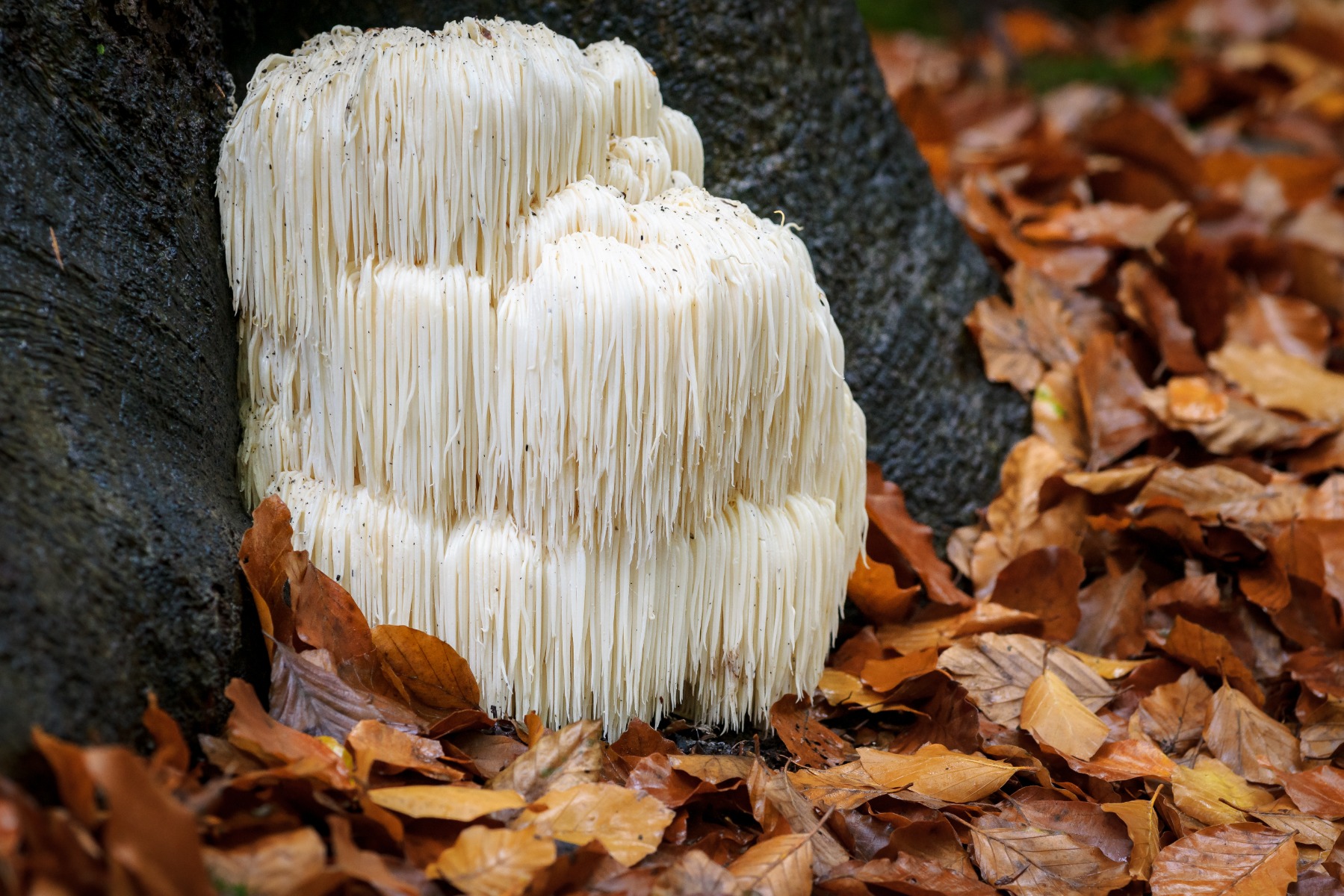
Photo Credit: "© [fotografiecor] / Adobe Stock
Lion's mane (Hericium erinaceus) is a large white mushroom found in temperate forests across Europe, Asia and North America. It is recognisable by its cascading white tendrils, which give it the appearance of a shaggy mane.
It has been used in traditional wellness practices for centuries, particularly in parts of East Asia. Today it is most commonly taken as a supplement in capsule, powder or liquid extract form.
How does lion's mane work?
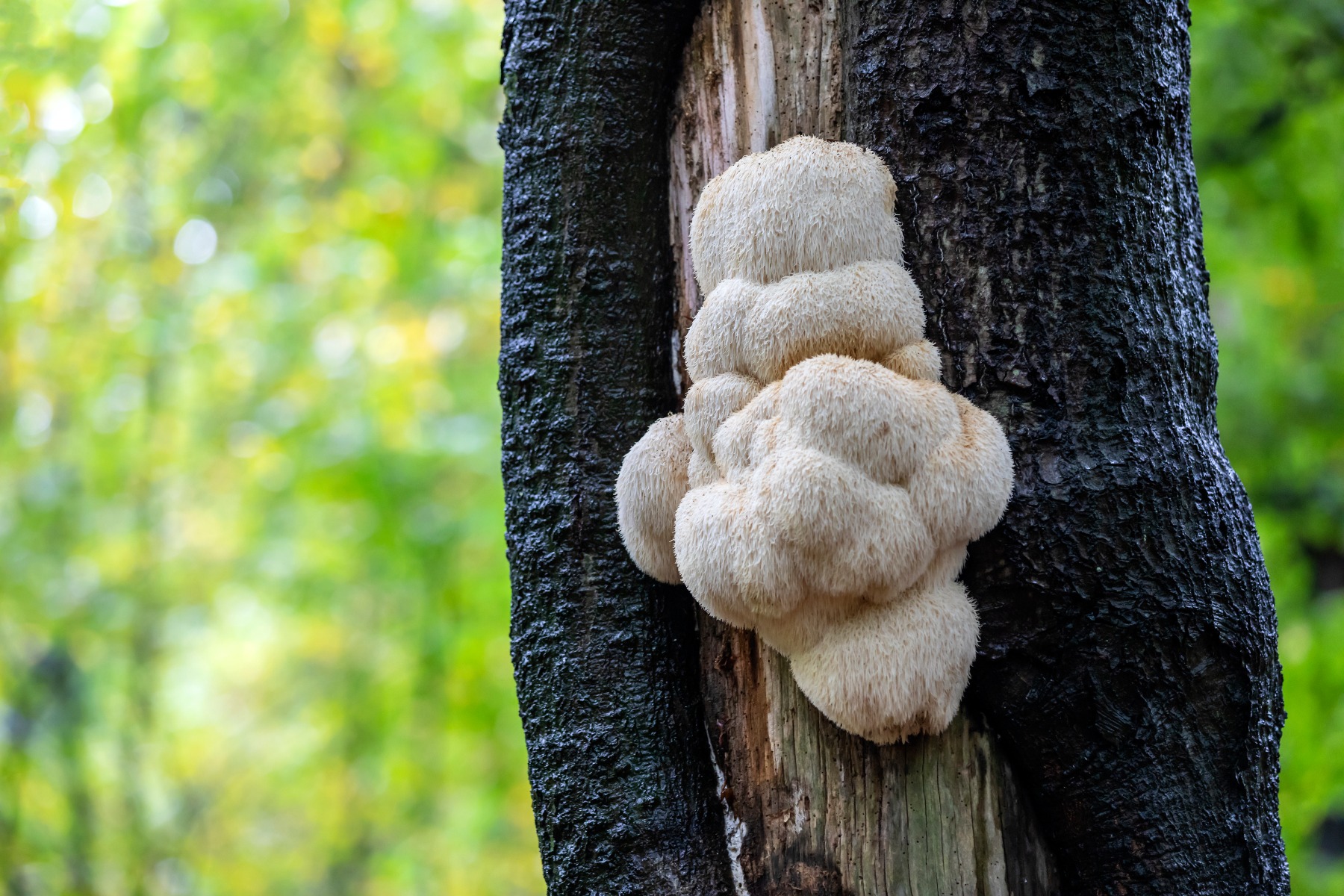
Photo Credit: "© [Edwin Butter] / Adobe Stock
Lion's mane contains two groups of compounds that are not found in significant quantities in other mushrooms: hericenones and erinacines.
These compounds are studied for their potential to support nerve growth factor (NGF) production. NGF is a protein that plays a role in the growth, maintenance and survival of nerve cells, including those in the brain.
The theory is that by supporting NGF levels, lion's mane may help maintain healthy brain function over time. Most of the research to date has been conducted in animal models or small human trials, so the evidence is promising but not yet conclusive.
For a closer look at what the research says about lion’s mane and cognitive function, see our guide to lion’s mane and brain fog.
What are the benefits of lion's mane?
A great mushroom supplement for brain function and focus

Photo Credit: "© [Kateryna] / Adobe Stock
The most widely studied area of lion's mane research is cognitive function. The NGF-supporting activity of hericenones and erinacines has led to interest in its potential to support focus, memory and mental clarity.
A 2009 clinical trial published in Phytotherapy Research found that adults who took lion's mane extract for 16 weeks scored higher on cognitive function tests than those who took a placebo. Scores declined after supplementation stopped.
Lion's mane is not a treatment for any cognitive condition, and anyone with concerns about their memory or brain health should speak to their GP. But for general support to focus and mental clarity, it is one of the more studied options in the functional mushroom category.
For a closer look at what the research says about lion’s mane and cognitive function, see our guide to lion’s mane and brain fog.
Mood and mild anxiety
There is some evidence that lion's mane may help with mild symptoms of anxiety and low mood. A 2010 study gave menopausal women cookies containing lion's mane for four weeks. Those in the lion's mane group reported reduced feelings of irritability and anxiousness compared to the placebo group. The study was small and findings would need to be confirmed in larger, longer trials before firm conclusions can be drawn.
The mechanism is thought to relate to lion's mane's anti-inflammatory properties and its potential to support serotonin production. Chronic inflammation is linked to mood disruption, and lion's mane is rich in antioxidants that may help reduce it.
It is important to note that lion's mane is not suitable as a treatment for diagnosed anxiety or depression. If you are experiencing significant mental health symptoms, speak to your doctor.
Can lion's mane help with ADHD?
Some people take lion's mane in the hope it may support concentration in the context of ADHD. However, there are no clinical trials that demonstrate it as an effective treatment for the condition. If you are already taking ADHD medication, check with your GP before adding lion's mane to your routine, as interactions are possible.
Have you ever felt energetic in the morning only to crash by the afternoon? Lion’s mane could help you out.
Soaring sugar levels followed by a glucose dip can cause you to feel lethargic and burnt out. Lion’s mushroom helps stabalise blood sugar for more consistent energy. It also has anti-inflammatory effects to enhance blood flow so oxygen and nutrients can travel effectively for better stamina.
When to take lion's mane and how long it takes to work

Photo Credit: "© [khumthong] / Adobe Stock
When is the best time to take lion's mane?
Lion's mane does not contain caffeine, but some people report feeling more alert after taking it. Most people find it works best taken in the morning or early afternoon. Some people find that taking it late in the day affects their sleep, though this varies.
Taking lion's mane with food can help reduce the chance of mild digestive discomfort, particularly when you first start.
How long does lion's mane take to work?
A small number of people notice effects within a few days. For most, it takes two to three months of consistent daily use before the benefits become clear. This is consistent with most supplement categories, where the compounds need time to build up and for the body to respond.
If you stop taking lion's mane, any benefits are likely to reduce gradually. The 2009 cognitive function trial found that scores declined after supplementation ended.
How much lion's mane per day should you take?
Dosage varies by product and format. Always follow the instructions on the specific product you are using. If you are unsure, a pharmacist or healthcare professional can advise.
How to take lion's mane
Lion's mane is available in several forms. The most popular options are:
- Capsules: pre-measured and convenient, taken with water. Grape Tree’s lion’s mane capsules 4500mg are a popular option for daily use
- Powder: lion’s mane powder can be mixed into coffee, smoothies, soups, stews or warm drinks
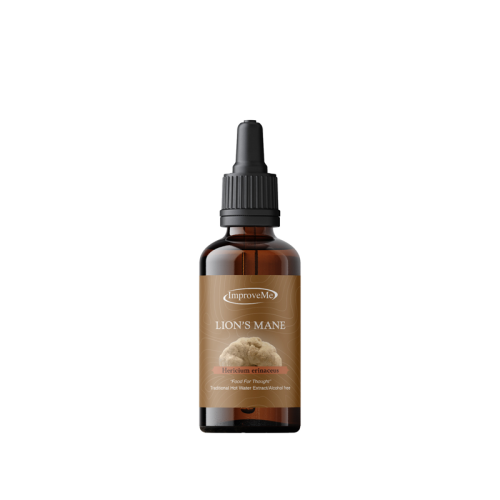
- Liquid extract: drops typically added to water or taken directly
There is no strong evidence that one format is more effective than another. The best choice comes down to personal preference and how you want to incorporate it into your routine.
Frequently asked questions
Is lion’s mane safe?
Lion's mane is generally considered safe for most adults when taken as directed. It is well tolerated by most people, though mild digestive discomfort has been reported when first starting. People with a mushroom allergy should avoid it. If you are pregnant, breastfeeding, or taking prescription medication, speak to your GP before use.
What are the side effects of lion’s mane?
Most people do not experience side effects. The most commonly reported are mild and digestive, such as bloating or an upset stomach, particularly when first taking it. Some people with mushroom allergies have reported skin reactions. For a full guide to side effects, timing and what to expect, see our first-time guide to taking lion’s mane.
How much lion’s mane per day should you take?
There is no universally agreed daily dose for lion's mane. Dosage varies depending on the product format and concentration. Always follow the instructions on the specific product you are using. If you are unsure what amount is appropriate for you, a pharmacist or healthcare professional can advise.
What are the side effects of lion's mane?
Lion’s mane is safe to take and there are rarely any side effects. However, like anything new, it’s best to proceed with caution. Some people have reported skin rashes and breathing difficulties after taking lion’s mane. So, be mindful about how you feel when you first start consuming the supplement.
Who should not take lion's mane?
People with a known mushroom allergy should avoid lion’s mane. Those taking blood thinners, diabetes medication, or other prescription drugs should check with their GP before starting. It is also advisable to seek medical advice before taking lion’s mane during pregnancy or breastfeeding, as research in these groups is limited.
Shop lion's mane supplements at Grape Tree

Photo Credit: "© [Jacob Lund] / Adobe Stock
Grape Tree stocks a range of lion's mane products including high-strength capsules, organic powder and liquid extract, all at everyday prices with free UK delivery on orders over £35.
Browse the full range at grapetree.co.uk/lions-mane.